

I remember the first time I caught myself in the mirror, shoulders hunched and tense after a stressful day, and then realizing I’d been unconsciously slumping all afternoon. That lightbulb moment made me wonder—why does stress manifest physically in such stubborn postural habits? And more importantly, how can I stop it from becoming a chronic problem?
The Stress-Posture Connection That Sneaks Up on You
I’ve learned over years of personal experience that when anxiety or pressure builds up, our bodies often respond by tightening muscles, especially around the neck and shoulders. This isn’t just in our heads—it’s a real physiological reaction. Your muscles contract to protect you, but if left unchecked, this tension can become your default posture, turning a fleeting stress response into persistent discomfort or even pain.
It’s tempting to dismiss these signs as minor or temporary. But did you know that sustained muscle tension from stress can lead to ongoing issues like restricted movement and headaches? According to a 2018 study published in the Journal of Bodywork and Movement Therapies, muscle tightness caused by emotional stress can reduce mobility and exacerbate existing issues if not addressed early.
One mistake I made early in understanding this was ignoring the importance of awareness. I kept telling myself,
Start With Awareness
My first eye-opening moment came when I noticed how often I was unknowingly slouching during work. To replicate this, set a timer for every 30 minutes and check your posture. Use a mirror or record yourself to observe your habits. Recognizing these patterns is essential before making any adjustments. Once aware, mark your bad habits so you can consciously correct them throughout the day.
Implement Micro-Movements During the Day
Think of your muscles like elastic bands; they tighten when held in one position for too long. To prevent this, incorporate small stretching or mobility exercises every hour. For example, gently roll your shoulders, stretch your neck side-to-side, or stand up and do a quick squat. I started doing shoulder rolls after noticing my neck stiffness, which immediately reduced tension and improved circulation. These micro-movements reset your muscular baseline and prevent persistent tension from building up.
Reconfigure Your Workspace for Better Posture
Imagine your workspace as a control panel that influences your body’s alignment. Adjust your chair height so your feet are flat and knees are level. Keep your monitor at eye level to avoid dropping your chin. I used a stack of books to elevate my screen, which alleviated my forward head posture. Use ergonomic accessories like lumbar supports or footrests. Small changes here yield significant improvements over time and can be reinforced by visiting routine adjustments.
Conscious Breathing to Relax Tense Muscles
Deep breathing acts like a reset button for your nervous system. When I caught myself tensing up at my desk, I paused and took slow, diaphragmatic breaths—inhale for four seconds, hold, then exhale slowly. This practice reduces cortisol levels and relaxes tight muscles, particularly in the neck and shoulders. Regular breathing exercises cultivate awareness of stress responses, helping you catch tension before it becomes ingrained.
Daily Stretching and Strengthening Routines
Consistency is key. Incorporate stretching into your morning or evening routine, targeting common tension areas like the chest, hips, and calves. Strengthening the core and back muscles creates a resilient support system, preventing poor posture from taking hold. I started with a 5-minute routine, focusing on the deep psoas stretch and back extensions, which dramatically lessened my morning stiffness. For tailored routines, check this resource.
Practice Quick Posture Corrections Throughout the Day
When I noticed myself slouching, I used a simple cue: sit tall, engage my core, and gently tuck my chin. Quick corrections reinforce good habits, much like tightening a loose screw before a machine malfunctions. Over time, these habitual adjustments become second nature, reducing the risk of chronic discomfort. You can also try a posture reminder app or place sticky notes on your monitor as cues to check in with your alignment.
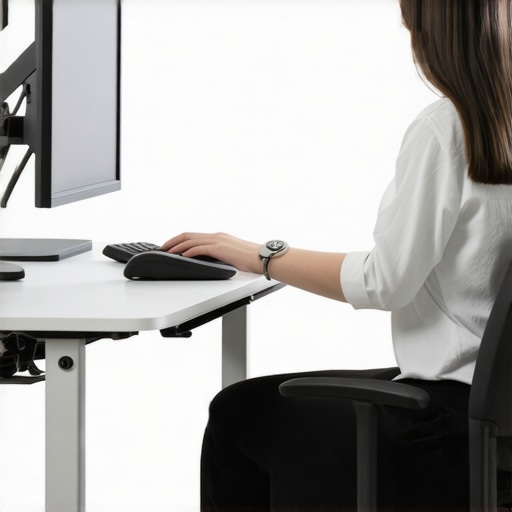
Visual guide to ergonomic workspace setup showing optimal monitor height, chair position, and posture tips.
Maintain Consistency and Reassess Regularly
Track your progress by journaling daily or using posture checklists. Every few weeks, reassess your habits and workspace setup. Small, consistent efforts lead to lasting change. I found that after three months of integrating micro-movements and workspace adjustments, my posture improved noticeably, relieving ongoing neck and shoulder pain. Remember, continuous attention to these steps is better than sporadic efforts—think of it as tuning a musical instrument regularly to keep it sounding perfect.
Many individuals assume that simple stretches or regular vigilance are enough to maintain optimal mobility and posture, but there’s a subtler layer often missed. A common myth is that more stretching always equates to better flexibility and pain relief; in reality, overstretching or improper techniques can reinforce poor habits or even cause injury. For example, stretching a joint beyond its natural range can strain the surrounding tissues and worsen alignment issues, leading to increased discomfort over time. To truly enhance mobility, consistent and precise adjustments are necessary, focusing not just on individual muscles but on their coordination within the kinetic chain. Advanced practitioners emphasize proprioception—your body’s ability to sense its position—as a key factor often ignored in mainstream routines. By honing this awareness through targeted exercises, you can prevent compensatory patterns that create tension elsewhere. One trap to avoid is relying solely on passive techniques like foam rolling without active engagement; passive methods can temporarily relieve tension but fail to instill long-term stability. Instead, integrating active mobility drills that challenge your neuromuscular control creates sustainable improvements. A question I often get from advanced readers: How do I balance mobility work without compromising stability, especially in compromised spines? The answer lies in combining dynamic stretches with strength training that reinforces proper alignment, as recommended by experts like Dr. Stuart McGill, who highlights the importance of stabilizing muscles in protecting your spine during movement. For further insights into such nuanced strategies, explore our guide on mastering mobility with precision. Remember, understanding these intricate aspects can prevent the common pitfalls that lead to persistent back pain or postural challenges. Have you ever fallen into this trap? Let me know in the comments.Maintaining your progress over time requires the right equipment and a disciplined approach. Personally, I rely heavily on a few key tools that have become integral to my daily routine. First, a high-quality ergonomic chair with adjustable lumbar support is non-negotiable. It allows me to fine-tune my posture during long hours of work, preventing the slump that often leads to discomfort. I use a lumbar roll inserted into my chair to maintain spinal curves, which is backed by studies showing its effectiveness in reducing back strain. Regularly, I also perform self-mobilizations with a soft massage ball to target deep gluteal and piriformis tensions that can cause sciatic discomfort. This simple device is versatile and, when used correctly, deepens tissue release—an essential part of my recovery toolkit. Software solutions like posture reminder apps can automate micro-corrections throughout the day. I personally set alerts to check my alignment every 30 minutes, which cues me to sit upright or perform a quick stretch. These digital nudges reinforce long-term habits and are invaluable for those working at desks. Looking ahead, the integration of adaptive technology that monitors muscle tension and suggests personalized adjustments is a promising trend, leveraging biofeedback for smarter self-care. For tailored advice, consider consulting experts who can recommend modifications specific to your body, or explore trusted resources like this upcoming guide. To elevate your maintenance routine, I recommend trying the deep glute release with a soft ball as described in our resource on relieving chronic back pain. It’s an easy addition that pays dividends in mobility and pain prevention over the long haul. Remember, consistency with these tools and routines can prevent minor issues from escalating into chronic problems, ensuring you stay active and pain-free. Want a personalized plan? Reach out to us for tailored advice or scheduling a check-in with a specialist through our contact page. As research published in the Journal of Bodywork and Movement Therapies indicates, ongoing self-management paired with the right equipment significantly enhances mobility and reduces back pain persistence. Incorporate these tools into your daily routine and observe how your body responds over time—small investments in maintenance lead to big returns in health and mobility.
Over years of experimenting with posture techniques, I realized that my biggest breakthrough came from realizing how interconnected every small habit truly is. The lessons learned from my journey highlight that mastering mobility and posture isn’t about quick fixes—it’s about creating a sustainable, conscious routine that evolves with your body.
Three Hard-Earned Lessons About Mobility and Posture
- Focusing solely on stretching can backfire. I used to believe that daily deep stretches would solve my posture woes, but I overlooked the importance of active engagement and proprioception. Combining stretches with strength and control exercises made a huge difference in my progress.
- Workspace setup matters more than I thought. Investing in ergonomic tools and aligning my environment became a game-changer. Small adjustments, like monitor height and chair support, compounded into significant improvements in comfort and posture over time.
- Consistency trumps intensity. Sporadic efforts had limited impact until I committed to daily micro-movements and reminders. This regular reinforcement ingrained the habits into my subconscious, transforming my posture evolution into a sustainable lifestyle.
Tools and Resources That Became My Anchors
- Ergonomic chairs with adjustable lumbar support. I trust quality office chairs because they create a foundation that supports sustainable posture. Look for adjustable features and good lumbar support based on expert recommendations.
- Growing library of mobility videos and routines. Resources like Enhance Your Mobility offer structured routines that help me stay on track and expand my capabilities without injury.
- Smart reminders and apps for posture cues. Digital nudges, like those from daily adjustment tools, keep me proactive, preventing habits from slipping back into old patterns.
- Self-mobilization tools like massage balls. Reinforcing tissue health and release, tools like soft massage balls are staples in my routine for managing deep muscular tension and avoiding flare-ups.
Keep Moving, Keep Improving
If there’s one thing I want you to remember, it’s that your journey toward better mobility and posture is ongoing. Tiny adjustments, consistent habits, and a mindset open to learning are your allies. Every effort builds toward a healthier, pain-free life. Don’t hesitate to prioritize your well-being—your future self will thank you. Want personalized guidance? Reach out through our consultation page and start your transformation today. How has a small adjustment already made a difference in your posture routine? Share below—I’d love to hear your story.