

I remember sitting at my desk, trying to finish a project, when suddenly a dull, persistent ache shot through my lower back. I leaned back, hoping a quick stretch would fix it, but instead, I felt worse. The tension was like a heavy weight I couldn’t shake off. It was then I had my lightbulb moment: my breath was holding onto stress in places I didn’t even realize.
The Surprising Power of Your Breath to Ease Back Tension
For years, I thought my back pain was all about posture, workouts, or even the furniture I sat on. But it turns out, there’s a simple, often overlooked tool we carry around every day—our breath—that can instantly melt away back tension. And no, you don’t need any fancy gadgets or hours of therapy to tap into its benefits.
Can Shallow Breathing Be Holding You Back?
Early on, I made the mistake of ignoring my breathing habits. I’d catch myself holding my breath during stressful moments or shallowly chest-breathing during long work hours. Ignoring this habit only worsened my back issues. It wasn’t until I consciously paid attention to my breathing that I started noticing relief. According to research, proper breathing techniques can activate the parasympathetic nervous system, helping to reduce muscle tension and promote relaxation. Mastering your mobility can be the game-changer when dealing with chronic back tension.
If you’ve ever felt like your stress manifests as tightness in your back or hips, you’re not alone. Many people walk around with tension locked into their muscles because they haven’t tapped into the simple act of correct breathing. The good news? This isn’t complex or time-consuming. Small adjustments, like deep diaphragmatic breaths, can instantly reduce back discomfort.
In the next part of this guide, I’ll show you how to use your breath in a powerful way—one that can transform your back health without expensive treatments or invasive procedures. But first, I want to ask: have you ever experienced those moments when a deep breath made everything feel a little easier? If so, keep reading, because what I’ll share might just become your new best friend for back relief.
Start with Conscious Breathing
Take a moment to pause and notice your current breath. Are you holding your breath during stressful moments? Begin by consciously allowing your belly to rise as you inhale through your nose for a count of four. Think of your breath as a wave gently filling a balloon—slow and deliberate. I remember one morning during a hectic workday, I caught myself shallow breathing. I paused, deepened my inhale, and instantly felt my shoulders relax. This initial step requires awareness but sets the foundation for effective back tension relief.
Employ Diaphragmatic Breathing Techniques
Lie Down for Better Access
Lie flat on your back with knees bent and feet flat on the floor. Place one hand on your chest and the other on your belly. Inhale deeply through your nose, aiming to inflate your stomach rather than your chest. Exhale slowly through pursed lips, feeling your belly deflate. This method activates your diaphragm, unlocking deep tension stored in your back muscles. During a hectic afternoon, I used this technique while reclining in my chair, noticing my lower back muscles soften after just a few minutes.
Use the 4-7-8 Breathing Pattern
Inhale through your nose for a count of four, hold your breath for a count of seven, then exhale slowly through your mouth for a count of eight. Repeat this cycle three to four times. This rhythm signals your nervous system to relax, reducing muscle tightness that causes back pain. I applied this during a sleepless night and observed a significant decrease in back spasms within minutes.
Integrate Movement with Breath
Combine deep breathing with gentle mobilizations. For example, while inhaling, perform a gentle tilt of your pelvis forward; exhale and tilt it backward. Think of your spine as a flexible accordion, expanding and contracting with each breath. I once incorporated breathing into my morning routine by doing pelvic tilts, which improved my spinal mobility and eased persistent discomfort. This synergy between breath and movement prevents muscles from locking up tight.
Practice Regularly for Lasting Change
Set aside small windows throughout your day to pause and reconnect with your breath. Even 2-3 minutes of diaphragmatic breathing can reprogram tension patterns. Use reminders on your phone or sticky notes to prompt these quick resets. Over time, these habits become automatic, and your back stays more relaxed during stressful periods. I began scheduling mindful breath pauses during work, which significantly reduced my afternoon back stiffness.
Adjust Your Routine for Optimal Results
Combine breathing techniques with posture corrections and mobility exercises. For instance, after deep breathing, perform a few gentle stretches targeting your hips and thoracic spine. Regularly reviewing your daily habits, like desk ergonomics and stretching routines, solidifies these benefits. Visit Mobility Strategies to explore tailored exercises. With consistent practice, you’ll notice your back becomes more resilient, and tension diminishes before it takes hold.
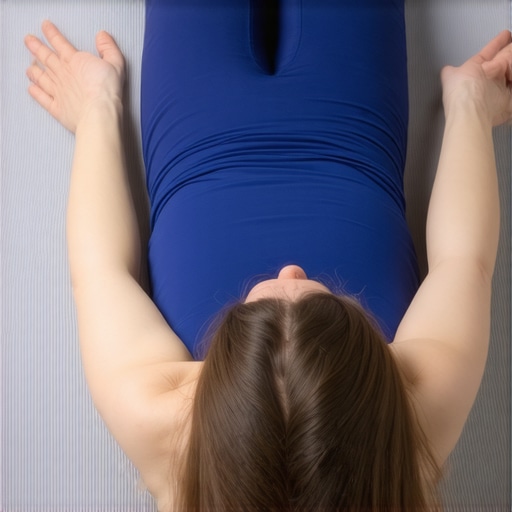
Visual guide demonstrating diaphragmatic breathing position with hands on belly and chest for awareness.
Many individuals assume that straightening their shoulders or purchasing ergonomic chairs will solve persistent back discomfort, but the reality is often more complex. A common myth is that posture adjustments alone are enough to eliminate back pain. In my experience, this oversimplification overlooks nuanced factors like habitual movement patterns, muscle imbalances, and subconscious motor programs that have been ingrained over years. For example, research indicates that poor movement habits, such as habitual pelvic tilts or improper loading during daily activities, can perpetuate back issues despite good posture in static positions. This is why comprehensive mobility strategies are essential for lasting relief; simply correcting posture isn’t sufficient without addressing underlying movement dysfunctions.
Beware of the trap where people believe that one-time adjustments or aggressive stretching can ‘fix’ chronic back problems. Instead, consistent, daily modifications—like gentle mobility drills—are key; explore mobility strategies that cultivate resilient movement patterns.
Have you ever fallen into this trap? Let me know in the comments.
Why does focusing only on posture sometimes backfire?
Focusing solely on static posture neglects dynamic movement and muscle coordination, which are often the real culprits in ongoing pain. For instance, overemphasizing spinal alignment without improving movement quality can lead to muscle compensation, making pain worse over time. A study published in the Journal of Bodywork and Movement Therapies emphasizes that improving functional movement and muscle activation patterns is more effective than static posture correction alone. Therefore, integrating posture adjustments combined with mobility work yields superior outcomes.
Moreover, rushing into aggressive adjustments without understanding the individual’s unique biomechanics can sometimes cause micro-traumas or undue strain. Always consider a holistic approach that encompasses movement, strength, and flexibility rather than just alignment. This nuanced understanding can transform your back health and help prevent future setbacks.
Remember, true mobility and pain relief come from continuous, mindful practice—not quick fixes. Want to dive deeper? Check out routine adjustments for lasting relief to fine-tune your daily habits.
Keeping Your Back Strong Over Time
Once you’ve integrated effective mobility and posture habits, maintaining these improvements requires the right tools and consistent care. Personally, I rely on specific equipment that I’ve found indispensable in preserving my back health and ensuring that progress endures.
Invest in a Quality Foam Roller
The foam roller is a staple in my routine because it allows me to perform self-myofascial release, which helps release fascial restrictions and reduce muscular knots. I prefer a medium-density roller that I use daily, especially after long hours of work, to prevent chronic tightness. For targeted relief, I incorporate the deep neck flexor exercise combined with foam rolling to reinforce cervical alignment.
Use a Lumbar Support Pillow Strategically
During extended periods of sitting, I place a lumbar support pillow in my chair to maintain the natural curve of my lumbar spine. This simple addition significantly cuts down on lower back strain and supports my regular daily adjustments. Prioritizing ergonomic alignment is crucial for long-term health, especially if you spend much time seated.
Diaphragmatic Breathing Devices Enhance Relaxation
I also incorporate diaphragmatic breathing tools like a breathing mask that provides feedback on inhale depth, which is invaluable for retraining my breath. This practice directly supports spinal health by promoting parasympathetic activation, helping my muscles stay relaxed and resilient. Experimenting with biofeedback during breathing sessions can be a game-changer—try it to see how mindful control influences back comfort.
The Power of Consistency and Scaling Your Routine
Maintenance isn’t just about individual tools but creating a sustainable, adaptable routine. As you progress, you can scale your mobility practices by increasing session duration or integrating advanced techniques like flexibility routines. The future of back health points toward smarter integration—wearables and apps are emerging that monitor posture and provide real-time feedback, making self-care more intuitive. I anticipate that in five years, personalized, device-assisted routines will be commonplace, empowering everyone to take proactive control of their spine health.
How Do I Keep Up with My Back Maintenance?
Consistency is key. I set reminders to check in with my mobility exercises daily and adjust based on how my body feels. A useful technique is to periodically revisit mobility strategies, ensuring my routines evolve with my needs. Remember, integrating these tools doesn’t have to be complicated. Start with one—like foam rolling—and gradually build your toolkit for sustainable, pain-free movement.
For an advanced tip, try incorporating a deep neck flexor exercise combined with breathing techniques. This powerful combination can set a foundation for resilient spinal health and prevent setbacks. Consistent practice, along with strategic use of select tools, paves the way for a truly lasting improvement in back stability and mobility.
What I Didn’t See Coming in My Back Journey
One of the most eye-opening lessons I learned was that focusing solely on posture corrections without addressing my movement habits set me back more than I expected. I used to believe that sitting upright and using ergonomic chairs were the ultimate solutions, but I soon realized that ingrained movement patterns and muscle imbalances played a much bigger role in my persistent back tension. This insight pushed me to explore mobility strategies that went beyond static posture adjustments, understanding that true relief involves fluid movement and muscular harmony.
Another surprising realization was how overlooked breath work was in my back health protocol. I discovered that shallow or held breaths contributed to muscle tightness, especially in my lower back and hips. Incorporating diaphragmatic breathing not only reduced stress but also released tension that a quick stretch couldn’t reach. This taught me that the connection between breath and movement is profound—something I now prioritize daily.
Lastly, I learned that recovery tools like foam rollers and mobility aids are game changers but only if used consistently and correctly. I once underestimated the power of a few mindful minutes with my foam roller, but over time, I saw a significant decrease in muscle knots and stiffness. What truly transformed my approach was developing a routine that integrates these tools into my daily life rather than as occasional fixes. These lessons reshaped my entire outlook: mobility, breath, and consistent habits are the pillars of lasting back health.
My Toolbox for Lasting Back Relief
To deepen my understanding and support my back, I turned to a handful of resources I trust wholeheartedly.
- mobility strategies—Learned from expert-guided routines, this program opened my eyes to real-world movement flows that preserve spinal integrity. Its emphasis on functional movement made every stretch more purposeful.
- master your mobility—A treasure trove of practical tips, it helps me design routines tailored to my daily activities, preventing tension before it starts.
- enhnace flexibility—This book amplified my awareness about external factors affecting mobility, like environmental setups and ergonomic tweaks, which I now incorporate into my routine.
- daily adjustments for back pain—Short, actionable tweaks that I perform throughout the day, keeping my spine aligned and tension at bay.
These resources have become my trusted guides—not just for relief but for creating sustained back health. Their personalized approaches remind me that listening to my body and applying expert insights is the key to truly empowering my movement.
Your Next Step Toward Freedom from Back Limits
Remember, the journey to back health is deeply personal and ongoing. Embrace curiosity and patience as you experiment with breath work, mobility adjustments, and mindful routines. Even small shifts can lead to significant improvements over time. Think of your back as an evolving partnership between your habits, awareness, and movement. The more you invest in understanding and nurturing this relationship, the freer you’ll feel in everyday life. Your spine’s resilience is within your control—start today, and watch your confidence grow with each mindful move.
What have you found most helpful in your back health journey so far? Share your experiences below—I’d love to hear and learn from you!
,