
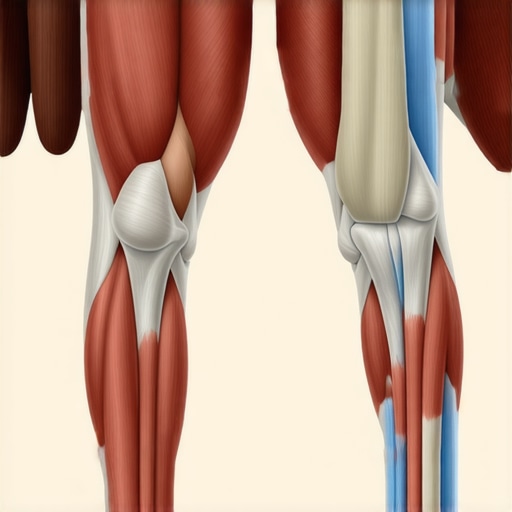
I remember the moment vividly—I’ve been diligently stretching my hamstrings every morning, expecting relief, but instead, I felt that frustrating tightness tighten its grip every time I moved. It was like trying to loosen a knot that just wouldn’t budge, no matter how much effort I put in. That lightbulb moment hit me hard: something more than just stretching was going on.
Unmasking the Hidden Causes of Persistent Hamstring Tightness
It’s incredibly common to assume that regular stretching is the key to flexible hamstrings. Yet, many folks, including myself at one point, experience ongoing tightness despite sticking to a daily routine. This persistent sensation can be both baffling and discouraging, especially when your efforts seem to have no tangible effect.
What’s often overlooked is that tightness isn’t always about muscle length. Sometimes, other factors like neural tension, fascia restrictions, or postural imbalances are mucking up the works. For example, I learned early on that simply stretching without addressing underlying issues can lead to short-term relief but long-term stagnation.
Did you know? According to recent research, muscles can feel tight due to nerve irritation or reduced blood flow, not just because they’ve shortened (source: National Institute of Neurological Disorders and Stroke). Understanding this shifts our approach from just stretching, to addressing these root causes.
So, if you’ve been struggling with tight hamstrings despite consistent efforts, you’re not alone. And more importantly, there are effective strategies to break this cycle. Let’s dive into the reasons behind this and how you can finally experience lasting relief.
Are you tired of endless stretching that just doesn’t deliver? Do you find yourself avoiding certain activities because of persistent tightness? If so, I promise, the upcoming insights and techniques can make a real difference. Stay tuned— we’re about to change how you approach hamstring flexibility for good.
Target Your Neural Tension with Gentle Glides
Start by lieing on your back with your legs extended. Gently lift one leg and perform a nerve glide by flexing and extending your ankle, mimicking the movement of your foot pressing against an invisible gas pedal. This movement helps mobilize the sciatic nerve, which often contributes to hamstring tightness. I tried this after a long day sitting at my desk, and initially, it felt clumsy—like trying to untangle a tangled headphone wire. However, after practicing daily for a week, I noticed a significant reduction in sensation of tightness.
Incorporate Fascia Release to Loosen Tissue
Use a soft massage ball or foam roller to target the hamstring area. Position yourself either on the floor or against a wall and roll slowly, applying gentle pressure. Think of it as massaging a tensed rubber band to make it more pliable. Initially, I pressed too hard and caused discomfort, but adjusting to lighter pressure allowed the fascia to release gradually, improving movement and reducing tightness.
Align Your Posture to Prevent Re-injury
Focus on maintaining a balanced pelvic posture throughout the day. Sit with your feet flat on the ground, hip-width apart, and avoid crossing your legs, which can tilt the pelvis and perpetuate tightness. Occasionally, perform pelvic tilts: lie on your back with knees bent and gently press your lower back into the floor, tilting your pelvis posteriorly. This movement resets the lumbar and pelvic alignment. I practiced these tilts during breaks, and they felt strange at first, like trying to find a new dance move, but the relief was noticeable.
Strengthen the Hip and Core for Lasting Impact
Integrate exercises like bridges: lie on your back with knees bent, feet flat, and lift your hips towards the ceiling. Engage your glutes and core muscles as if you’re pressing the ceiling away with your pelvis. I included bridge exercises three times a week, which not only eased hamstring tightness but also improved overall stability. Think of it as building a sturdy foundation beneath a house—without it, the walls keep cracking.
Implement Gradual Stretching with Mindfulness
Finish each session with controlled hamstring stretches—sit on the floor with one leg extended and gently reach towards your toes. Hold for 20 seconds, breathing deeply and avoiding bouncing. The key is gradual progress; forcing a stretch can trigger protective mechanisms, causing more tightness. During my own practice, I learned to listen to my body—no pain, only gentle tension—like tuning a guitar string softly until it’s just right.
Schedule Consistent Routine Check-ins
Stay aware of your posture and mobility by logging your progress or noting discomforts. Simple daily adjustments—like standing taller or shifting positions—compound over time, leading to lasting relief. I set reminders on my phone, which served as gentle nudges to perform these movement strategies, turning them into habits rather than chores.
If persistent tightness continues despite these steps, consulting a professional can provide targeted interventions. Discover more strategies to enhance overall flexibility and mobility at this resource.
Many individuals believe that simply stretching or strengthening specific muscles will resolve their back pain or improve posture, but this oversimplifies a complex system. In reality, most common adjustments and mobility routines overlook nuanced factors like neural tension, fascial restrictions, and movement patterns, leading to ineffective or even harmful results. For example, a widespread myth suggests that tight hamstrings are solely due to muscle shortening, but recent studies indicate that neural tension, particularly involving the sciatic nerve, often plays a significant role (source: Journal of Bodywork and Movement Therapies). Relying only on passive stretching without addressing nerve mobility can entrap nerves further, exacerbating discomfort over time.
Another advanced mistake is neglecting the importance of proper load sequencing. Many focus on isolated stretches or exercises without understanding how movement patterns or postural habits during daily activities contribute to back pain. Performing intense stretches or adjustments without first ensuring that your joint and nerve mobility can handle the load may lead to micro-injuries. An effective approach involves integrating holistic assessments, such as evaluating thoracic mobility or pelvis stability, to identify the root cause rather than just symptoms. For a comprehensive guide, consider exploring techniques outlined in [this resource](https://chiromasteryz.com/enhance-flexibility-top-mobility-strategies-for-active-living).
**Are you aware of the subtle signs indicating your adjustments might be doing more harm than good?** For instance, forcing a broader chest posture without considering thoracic restrictions can shift strain to the lumbar spine, causing pain and stiffness. This common oversight emphasizes the need for precise correction strategies tailored to individual biomechanics instead of generic routines. Moreover, over-relying on external aids like lumbar rolls or orthotics without proper assessment can create dependency, weakening intrinsic stability over time.
### Can postural corrections really create long-term relief without addressing underlying neural and fascial issues?
Absolutely not. True, lasting change requires a nuanced understanding of how your nervous system, fascia, and joints coordinate. Recent research underscores the significance of neural gliding and fascial health in maintaining mobility and preventing re-injury (source: Journal of Neurophysiology). Incorporating gentle nerve glide exercises or myofascial releases into your routine can dramatically enhance outcomes. For example, passive nerve mobilizations performed correctly can free entrapped nerves and restore natural movement patterns.
To avoid these pitfalls, always assess your movement habits holistically. Professional guidance often uncovers hidden restrictions that hinder progress. Scheduling a consultation ensures personalized corrections, which you can complement with self-care strategies from [this insightful guide](https://chiromasteryz.com/unlock-better-back-health-effective-posture-tips-for-2025). Remember, quick fixes may offer temporary relief but addressing the nuanced interplay between neural, fascial, and muscular systems guarantees sustainable results.
**Have you ever fallen into this trap?** Let me know in the comments. Addressing these advanced nuances transforms your approach from trial-and-error to precise, effective action—finally unlocking the stability and mobility your back deserves.Maintaining your mobility gains and posture improvements over time requires not just commitment but also the right tools and routines. Personally, I rely on a combination of specific equipment and strategic software that help me stay on track and continue progressing, even during busy or hectic periods.
Invest in Quality Foam Rollers and Massage Balls
For me, a high-density foam roller and a set of soft massage balls are non-negotiable. The foam roller allows for targeted fascia release, especially in the hamstrings, quads, and glutes, helping prevent tightness from creeping back in. I prefer a textured roller that mimics my therapist’s pressure, which I find more effective for breaking down deep adhesions. The massage balls are particularly useful for pinpointing and releasing tension in smaller areas like the piriformis or around the hip joints. Regular self-myofascial release sessions, just a few minutes a day, keep long-term tightness at bay and are simple to incorporate into your daily routine.
Utilize Movement Analysis Software
To ensure my posture corrections stick, I use motion analysis apps that provide visual feedback on my movement patterns. Apps like Hudl Technique or Coach’s Eye allow me to record myself performing specific exercises and identify compensations or misalignments. This visual feedback helps me fine-tune my form and avoid reverting to old habits. As technology advances, I predict more affordable, AI-powered posture analysis tools will become mainstream, offering real-time correction cues that help sustain proper alignment throughout daily activities.
Implement Smart Home Devices for Routine Reminders
Consistency is vital. I set up smart alarms and reminders through my phone or home assistant devices to prompt me to perform quick posture resets or mobility drills at regular intervals. This strategy prevents stagnation and ensures I don’t forget to perform critical movements, like pelvic tilts or deep diaphragmatic breathing. Think of these reminders as personal coaches that keep you honest and motivated, especially when counteracting sedentary habits. For a deeper dive into integrating daily adjustments, check out this resource.

Image prompt: A person using a foam roller and massage balls for fascia release, highlighting proper technique and grip.
How can you stay consistent with your tools and routines long-term?
My answer is to simplify your toolkit as much as possible and integrate these practices into your daily life seamlessly. Set clear, achievable goals—like dedicating just five minutes after waking up or before bed—and gradually build from there. Track your progress with a journal or app, and celebrate small victories. Remember, sustainable change comes from making these tools a regular part of your lifestyle rather than a chore. To stay inspired and informed, consider exploring advanced strategies at this link.
The Hardest Lesson I Learned About Adjustments and Mobility
One of the most eye-opening realizations was that superficial fixes only hide underlying issues. I used to believe that stretching alone could solve my persistent hamstring tightness, but repeatedly, I found myself back at square one. It took experiencing discomfort despite consistent effort to recognize that neural tension and fascial restrictions needed attention. This taught me that comprehensive mobility involves more than just elongating muscles; it requires addressing nerve pathways and tissue adhesions.
Why Overconfidence in Quick Fixes Can Hold You Back
I once tried aggressive stretching routines without understanding the root causes, which often worsened my tightness or led to new discomfort. It became clear that trusting simple solutions without a holistic approach can trap you in a cycle of temporary relief. Effective long-term change demands patience, proper assessment, and integrating various techniques—like nerve mobilizations and fascia releases—that address the complexity of our bodies.
My Personal Aha Moment: Progress Comes from Consistency and Mindful Practice
Real breakthroughs happened when I combined gentle neural glides, fascia releases, and posture exercises, with consistent daily habits. It wasn’t about pushing harder but about tuning into my body’s signals and working smarter. Incorporating mindfulness in stretching and movement helped me avoid overextension and fostered sustainable improvements. This taught me that patience, combined with informed strategies, is key to lasting mobility gains.
Curated Resources That Transformed My Approach
For anyone serious about mastering mobility, I suggest exploring this comprehensive guide. It goes beyond basic stretches and dives into neural and fascial considerations. Additionally, tools like a high-quality foam roller and massage balls, recommended in this article, are invaluable for self-myofascial release. Lastly, tracking your progress with simple movement analysis apps can keep your routines aligned with your goals, as suggested in this resource.
Remember, Your Journey to Flexibility Is Unique—Embrace the Process
Every body has its own story, and your path to better mobility requires patience, mindfulness, and the willingness to explore beyond stretching. Don’t dismiss neural and fascial health—they can be game-changers. You have the tools and knowledge now; your next step is to start integrating them consistently. Believe in your capacity to improve and enjoy the progress, no matter how small a step it may seem. Your body is resilient and capable of remarkable change—trust the process, stay committed, and unlock a life of greater freedom of movement.