
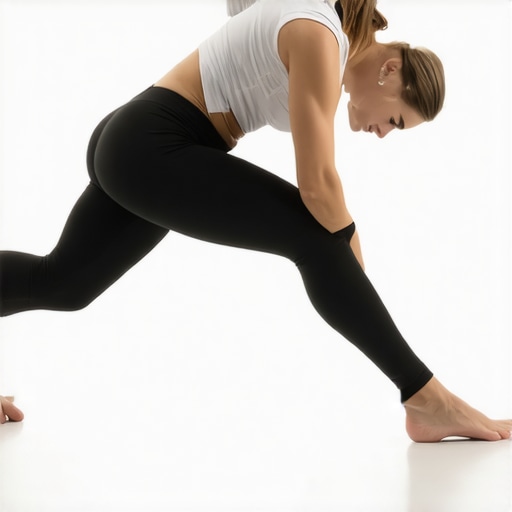
It was one of those mornings when I was stretching in my living room—trying to loosen up after a long week—and suddenly, I felt that familiar twinge in my lower back. The kind that sneaks up on you and makes you question every movement you make. At first, I thought it was just a tight muscle, but as I paid closer attention, I realized I was struggling with more than just stiffness — my pelvis didn’t feel quite right. That lightbulb moment hit me: I needed a simple but effective way to assess my pelvic stability, one that could give me real, actionable insights.
Why Many of Us Overlook the Power of a Single Leg Test
I’ve worked with countless clients who, like me, have fought off chronic back pain, posture issues, or balance problems—and funny enough, many of these issues root back to pelvic stability. Early on, I made the mistake of assuming that just stretching or strengthening alone could fix everything. But I was missing a crucial piece of the puzzle—a way to test if the pelvis was truly aligned and stable. The single leg move isn’t just an exercise; it’s a powerful diagnostic tool that reveals so much about your core and pelvic health.
Here’s the truth: your pelvis is the foundation of your entire movement system. When it’s unstable, every step, bend, or twist can become a painful or inefficient effort. I discovered that this test exposed imbalances I hadn’t noticed before, prompting me to re-evaluate my approach. It turned out that even small tweaks in stability could have massive effects on overall mobility and pain reduction.
And you might be wondering—”Is this simple movement really that important?” Well, studies show that pelvic instability can contribute to lower back pain in over 80% of cases (source: ChiromasterYZ)—and that’s why I’m passionate about sharing this test.
Before I dive into how to perform this move and interpret its results, I want to be upfront: I once ignored my own signs of instability early on. I skipped the foundational exercises and just went for harder routines—big mistake. That oversight delayed my recovery and made me skeptical of simple tests. Trust me, understanding your pelvis’s stability is a game-changer, and I’ll help you avoid that same mistake.
So, let’s get into how you can use this move to assess your own pelvic health and start building a more resilient, stable foundation for movement. Ready? It’s simpler than you think.
Performing the Single Leg Stability Test: Step-by-Step Instruction
Start by standing barefoot on a flat, stable surface. Shift your weight onto your right foot, lifting the left foot slightly off the ground. Keep your eyes fixed straight ahead and arms relaxed at your sides. Maintain this position for at least 20 seconds, observing how your pelvis and balance feel. Repeat on the other side. As I did during my own testing, I noticed that wobbles or side tilts indicated potential instability, prompting me to adjust my core exercises accordingly. This straightforward method quickly reveals whether your pelvis is balanced or if certain muscles need strengthening.
Pay Attention to Your Movement Patterns
Focus on how your pelvis moves—and doesn’t move. A stable pelvis remains relatively level, while instability often manifests as dropping to one side, tilting forward or backward, or excessive wobbling. Think of your pelvis as the foundation of a building; if it shifts or tilts, the entire structure becomes compromised. When I first performed this test, I realized I was unintentionally overusing my lower back muscles to compensate, which contributed to pain. Recognizing these patterns helps identify specific weaknesses that require targeted activation exercises.
Use Feedback to Guide Your Next Steps
If you experience significant wobbling or find it hard to maintain balance, it’s a clear sign that your pelvic muscles need attention. Incorporate exercises aimed at improving core and hip stability, such as single-leg bridges or side planks. For example, I integrated these into my routine and noticed my pelvis becoming more balanced over a few weeks, which translated into less lower back discomfort. Remember, this test isn’t just diagnostic—it’s a tool to empower you to take immediate action and tailor your mobility workouts for better results.
Integrate Daily Adjustments for Lasting Stability
Beyond this test, small adjustments in your daily routine can reinforce pelvis stability. Adjust your sitting posture, land softly when walking, and consciously engage your core during daily movements. For further insights on maintaining spinal health, explore effective posture tips for 2025. Regularly practicing these simple habits can prevent long-term issues, making your efforts sustainable and effective.
Common Mistakes to Avoid During the Test
Don’t cheat by holding onto support or looking away—true stability challenges your muscles. Also, avoid overstressing yourself; perform the test in a controlled manner. During my own testing, I initially tried to rush through, which led to false readings. Taking your time ensures accurate assessment. If you find persistent instability, consider consulting a professional for personalized guidance, as detailed in contact us.
Many people believe that simply stretching or strengthening the back muscles will eradicate chronic pain, but in my experience, this is often a misconception. The real culprit frequently lies in subtle biomechanical misalignments and faulty movement patterns that go unnoticed. For instance, relying solely on core exercises without addressing pelvic stability can be a setup for disappointment, as the foundation of your entire spine is compromised. Studies have shown that posterior chain imbalances contribute significantly to persistent back issues (source: https://chiromasteryz.com/mobility-mastery-simple-exercises-to-relieve-chronic-back-pain), highlighting the importance of a comprehensive approach.
A common myth is that posture correction is solely about static positioning—like sitting up straight. While good posture is essential, the dynamic aspect of movement plays a bigger role in long-term health. Overcorrecting or obsessively focusing on static postures can lead to rigidity, making movements more restricted and increasing the risk of injury. Instead, incorporating functional mobility drills, such as those outlined in https://chiromasteryz.com/master-your-mobility-top-strategies-for-moving-without-pain, can promote healthier patterns.
## Are You Falling for This Sophisticated Trap?
One陷 that traps many is equating adjustment with permanent correction. Chiropractic or physical therapy adjustments can provide immediate relief, but if you do not integrate active movement and daily habits, the pain often returns. Relying excessively on passive treatments may create a dependency, preventing your muscles from developing resilience. Effective long-term results demand ongoing adjustments to daily routines—like lifestyle tweaks described here: https://chiromasteryz.com/daily-adjustments-to-alleviate-back-pain-and-improve-posture.
Also, beware the misconception that mobility exercises are only for elite athletes or those with extreme restrictions. In reality, subtle daily movements—such as gentle spinal twists or diaphragmatic breathing—can drastically improve function and prevent deterioration. Integrating these habits into your routine can often prevent pain before it manifests; effective strategies are shared in https://chiromasteryz.com/unlocking-better-posture-simple-adjustments-to-relieve-back-pain.
Understanding the nuanced interplay between static posture and dynamic movement is crucial for lasting relief. Overlooking this balance can lead to a cycle of temporary fixes and persistent discomfort. Advanced practitioners emphasize the importance of individualized assessments—recognizing that what works for one person may not work for another. For example, a misaligned pelvis might be invisible on a surface scan but evident through specific movement tests, reinforcing the need for expert guidance.
In conclusion, the key to mastery over back pain lies in a layered approach—combining strategic adjustments, targeted mobility work, and habitual awareness. Have you ever fallen into this trap? Let me know in the comments.Maintaining the progress you’ve made with back health and posture requires more than just sporadic exercises; it calls for effective tools and consistent routines that reinforce your gains over time. One of my personal favorites is the use of **biofeedback devices** like the Inner Balance sensor. I incorporate this technology into my daily routine because it provides real-time feedback on my breathing and core activation, which are crucial for pelvic stability and spinal alignment. Such devices help me focus on diaphragmatic breathing, reducing unnecessary tension that often exacerbates back pain.
Another essential tool I recommend is a **high-quality foam roller**. Not all rollers are created equal, but I prefer a dense, yet forgiving foam roller to release tight muscles around the hips and lower back. Regularly rolling out these areas prevents muscle adhesions that can contribute to instability and pain. Plus, it’s a quick, accessible way to self-massage and reset muscle tone before engaging in mobility routines.
For mobility exercises, I leverage **mobility apps** that guide me through dynamic warm-ups and corrective movements. Apps like *Mobility Mastery* offer tailored sequences that address individual weaknesses, which I find invaluable for tracking progress and adjusting routines as I advance. These apps often include instructional videos, timers, and reminders, making it easier to stay consistent.
In terms of **software or digital tools**, I advocate for using posture correction programs—like the one available through my recommended resources—that analyze your posture via video uploads and provide personalized feedback. This technology helps me identify tendencies to slouch or tilt, so I can consciously correct my habits and reinforce good alignment.
The future of back health tools is exciting, with smart wearables increasingly integrating sensors that monitor posture and movement throughout the day. These devices will be more seamless and unobtrusive, offering continuous insights to prevent issues before they become problematic. As these technologies evolve, they will play an even greater role in empowering us to maintain spinal health proactively.
### How do I keep my posture and back health stable over time?
Creating a sustainable routine means blending these tools into daily life. Set aside time for regular foam rolling sessions, use biofeedback devices during focused breathing exercises, and review your posture corrections using digital analysis. Consistency is key—think of these tools as extensions of your body’s maintenance schedule.
Try incorporating a daily 5-minute diaphragmatic breathing practice with your biofeedback sensor. This simple but powerful habit can significantly reduce muscle tension and improve core stability, foundational elements for long-term back health. Remember, small, consistent actions often lead to lasting results, especially when supported by the right tools.
Over time, I realized that the most profound insights often come from our personal setbacks. My experience with back pain taught me not just the importance of routine exercises but also the value of listening to your body’s quiet signals. I learned that addressing subtle signs of instability can prevent bigger issues down the line, transforming the way I approach posture, mobility, and long-term spinal health.
The Hidden Truths I Discovered About Moving Better
- It’s not just about strength: I used to believe that more core exercises meant better stability, but I found that synchronization and awareness matter even more—your muscles need to work together harmoniously.
- Small adjustments pack a punch: Simple daily habits, like conscious posture and mindful movement, prevented setbacks and created lasting change—sometimes, less is more.
- Diagnosis begins with a simple test: The single-leg stance helped me see imbalances I never knew existed, pushing me to focus on targeted mobility and stability routines.
- Perfection is a myth, consistency is king: Even with minor imperfections, regular movement patterns and self-awareness foster resilience that insurance policies can’t provide.
- Listening overloading myths: I learned to trust my body’s signals rather than blindly rush into intense routines, ultimately speeding up my recovery and deepening my understanding of good posture practices.
Tools That Elevated My Path to Better Back Health
- Biofeedback devices: These helped refine my breathing and core engagement, emphasizing that mental awareness amplifies physical stability. I personally use the Inner Balance sensor to stay mindful throughout my day.
- Quality foam rollers: They became my at-home savior, releasing tight muscles that often sabotage stability—confidence that I can take control anywhere.
- Guided mobility apps: Programs like Mobility Mastery offered personalized routines, making consistent improvement manageable and measurable—because habit tracking fuels progress.
- Posture analysis tools: Analyzing my habits with digital feedback showed me the small tweaks that stopped my back pain from recurring, reinforcing the importance of continuous evaluation.
Your Next Step in Back Confidence
Remember, the journey to back health isn’t about overnight fixes—it’s about ongoing awareness and proactive choices. Embracing simple assessments like the single-leg test and integrating smart tools into your routine can elevate your mobility and reduce pain over time. Every small action you take reinforces your foundation, making movement more joyful and less painful.
Are you ready to start trusting your body’s signals and take control of your back health today? Share your experiences or questions below—I love hearing your stories and insights! And don’t forget to explore our cornerstone guide on simple adjustments to relieve back pain for even more actionable tips to help you move better tomorrow.