
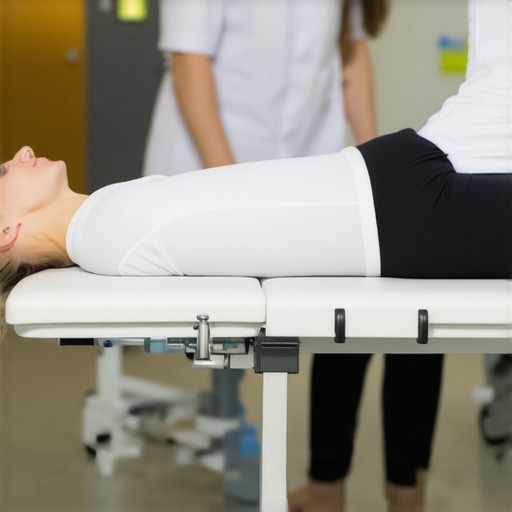
I remember the exact moment it hit me—after months of battling stubborn back discomfort and trying every gadget and exercise out there, I stood on one leg and suddenly felt a weird wobble where I never expected it. It was like my pelvis was throwing a tantrum, and I had no clue why. That lightbulb moment led me down a path of discovery that changed how I view pelvic stability and its critical role in back health.
Discovering the Power of a Simple Test
If you’ve ever experienced ongoing back pain, poor posture, or even issues with movement, you know how frustrating it can be to find effective solutions. But here’s the thing: sometimes, the key lies in just a tiny, easy-to-perform test that reveals a lot. The Single Leg Test for Pelvic Stability became my secret weapon.
Is Your Pelvic Stability Actually Worth the Hype?
Initially, I was skeptical. I thought, “What’s the big deal with standing on one leg?” Turns out, a lot. When I first tried it, I was shocked at how unsteady I felt—such a simple movement and yet it exposed weaknesses I didn’t even realize I had. Early on, I made the mistake of ignoring these signs, thinking they were just temporary or related to tight muscles. That was a mistake. Addressing pelvic stability early can prevent years of chronic pain and discomfort.
Research shows that pelvic instability is often overlooked but is a major contributor to back pain. A study published in the Journal of Orthopaedic & Sports Physical Therapy highlights that improving pelvic stability can lead to significant relief and improved movement quality. During my journey, I learned that fixing my pelvic alignment wasn’t about fancy exercises but understanding the underlying stability issues—something this single-leg test can reveal.
If you’ve ever skipped this step or dismissed it as unimportant, I urge you to reconsider. It might just be the missing piece in your mobility puzzle.
Start with the Single Leg Test regularly
To build awareness, perform the single leg test daily. Stand on one leg for 30 seconds, observing your wobble. If you feel unsteady, it indicates weakness that you need to address. I found that doing this each morning exposed my pelvic instability early, guiding my focus on targeted exercises. Consistent testing helps track progress and prevents setbacks.
Implement targeted strengthening exercises
Focus on core engagement
Engage your deep abdominal muscles—think of gently pulling your belly button toward your spine while breathing normally. This practice stabilizes your pelvis and supports your lower back. I started incorporating these cues during daily activities, such as brushing my teeth or driving, which gradually strengthened my core without overwhelming me.
Balance with unilateral movements
Exercises like single-leg bridges or side planks mimic the stabilization needed for daily life. When I added these to my routine, I noticed a shift in how my pelvis aligned. For example, I did a set of 10 single-leg bridges on each side, focusing on slow, controlled lifts. The key is to progress gradually and avoid compensations—stop if you feel your hips twist or your back arch excessively. These movements act like balancing the foundation of a building—if the foundation is shaky, everything else becomes unstable.
Apply mobility and flexibility routines
Stiff muscles can tug your pelvis out of alignment. Incorporate gentle stretches targeting hamstrings, hips, and lower back. I recommend the top mobility strategies for active living to keep these areas supple. Be cautious not to overstretch—imagine trying to stretch a rubber band; too much force can cause more tension. Instead, use slow, steady movements to unlock tightness and improve fluidity.
Enhance proprioception and balance
Practices like standing on a balance pad or shifting your weight from side to side improve your awareness of pelvic position. I added 2-minute balance drills during breaks, which sharpened my brain-muscle connection. This heightened sense of control makes activation exercises more effective, ensuring your muscles respond correctly during movement.
Regularly assess your progress
Revisit the single leg test weekly to monitor changes. Celebrate small victories—perhaps you can now stand on one leg longer or with less wobble. Tracking progress keeps motivation high and highlights areas needing more attention.
Maintain consistency through daily adjustments
Incorporate posture-aware habits, such as adjusting your workspace or sleeping position, into your routine. Small, consistent tweaks prevent stagnation. For example, I adjusted my chair lumbar support and practiced chest-opening stretches every morning, leading to cumulative improvements. Remember, correcting pelvic instability is a process. Think of it as tightening the screws on a stubborn chair—you won’t fix it with one turn; it requires ongoing effort and patience.
Many people believe that back pain stems solely from injury or lifting heavy objects, but in my experience, this oversimplification can lead to misdiagnosis and ineffective treatment. One widespread myth is that poor posture is the root cause of chronic back pain. While posture certainly plays a role, recent studies suggest that underlying stability and mobility issues often have a more significant impact. Overemphasizing posture correction without addressing core stability can mean you’re just treating the surface symptoms, not the true problem. Moreover, there’s a misconception that adjustments alone can fix back pain instantly. While manual therapy can provide relief, relying solely on adjustments neglects the importance of active movement, targeted strengthening, and daily habits that sustain long-term health. An advanced mistake I see frequently is neglecting the importance of proprioception and fine motor control—essential elements for maintaining spinal stability during movement. When these are overlooked, even after adjustments, the risk of recurrence remains high. A notable expert in the field, Dr. Stuart McGill, emphasizes that persistent back health depends heavily on building resilient, adaptable muscles that support the spine during dynamic activity. This highlights why integrating mobility and strength exercises, specifically designed to enhance motor control, is crucial rather than just focusing on static correction or passive treatments. Are you falling into the trap of over-simplifying your back health routine? Remember, real progress involves nuanced understanding and a combination of stabilization, mobility work, and conscious daily adjustments. For practical tips on mastering this approach, check out our resource on [daily adjustments that alleviate back pain](https://chiromasteryz.com/daily-adjustments-to-alleviate-back-pain-and-improve-posture) or explore [core engagement exercises](https://chiromasteryz.com/mobility-mastery-simple-exercises-to-relieve-chronic-back-pain) designed for longevity. Staying aware of these nuances helps you avoid common pitfalls and supports lasting relief. Have you ever fallen into this trap? Let me know in the comments.
Maintaining your back health over time demands more than just sporadic exercises or quick fixes. It involves investing in reliable tools, embracing consistent routines, and understanding the evolving needs of your body. One tool I personally rely on is a high-density foam roller, which helps release deep muscle tension and improve my flexibility. Unlike cheaper alternatives, a quality foam roller provides the appropriate density to target chronic tightness without causing discomfort, making my daily recovery routines more effective and sustainable. Additionally, I utilize a balance pad during my mobility drills—a simple yet powerful device that enhances proprioception and fine motor control essential for spinal stability. Regular use of a balance pad has improved my posture and reduced back flare-ups, especially when paired with mobility exercises from top mobility strategies. As technology advances, apps like MyBackPainTrainer offer guided programs that integrate posture checks, strengthening, and mobility routines tailored to individual needs, ensuring I stay on track even during busy weeks. In the future, I predict a trend towards AI-powered wearables that monitor spinal alignment in real time, providing instant feedback and personalized recommendations. This integration could revolutionize long-term back management, making proactive adjustments easier and more accurate.
How do I keep my back gains consistent over the years?
The secret is in daily maintenance. I set aside 10-15 minutes each morning to perform targeted mobility and stabilization exercises, incorporating tools like a lumbar roll and balance pad. These small, consistent efforts reinforce the improvements I achieve during active recovery sessions and manual therapies. Incorporating practices like daily spinal alignments ensures I don’t revert to old habits that lead to poor posture or instability. Remember, the key to long-lasting results is a mix of strategic tools, committed routines, and staying informed about emerging innovations in back health.
If you’re serious about sustainable progress, I recommend trying a simple yet effective exercise using a foam roller combined with balance work—this duo is proven to bolster spinal stability and mobility. For personalized guidance, don’t hesitate to contact us through our contact page. Staying proactive with your back health today paves the way for a pain-free future tomorrow.

Small Twitches Reveal Big Truths: My Toughest Lessons About Stability
The biggest revelations didn’t come from high-tech gadgets or complex routines but from subtle signs my body gave me—like a wobble on one leg that exposed years of neglect toward pelvic stability. Learning to listen to these tiny cues taught me that the road to better back health often starts with honest self-awareness, not complicated tools.
Tools That Made a Difference in My Journey
While exercises and mobility routines are fundamental, I found that integrating a high-density foam roller and a balance pad into my daily habits dramatically improved my outcomes. These tools aren’t just accessories—they’re extensions of my commitment to sustained mobility and stability. Plus, resources like Mobility Mastery exercises help me stay on track, especially during busy weeks.
What Keeps Me Going When Progress Stalls and My Back Remembers Old Habits
Consistency is more than routine—it’s about embracing small daily wins and understanding that long-term back health is a marathon. Each morning, dedicating a few minutes to targeted exercises or simple posture checks reminded me that persistent effort, combined with patience, is the real catalyst for lasting change. It’s a reminder that caring for your back isn’t a one-time fix but an ongoing commitment.
How My Tiny Adjustments Transformed My Whole Day
From adjusting my workspace setup to practicing mindful breathing, I realized that everyday decisions reinforce the progress made in therapy sessions. Simple tweaks like correct monitor height or mindful breathing have a ripple effect, preventing setbacks and fostering resilience. The true secret lies in integrating these small habits into your daily life, creating a foundation that supports mobility and reduces pain.