
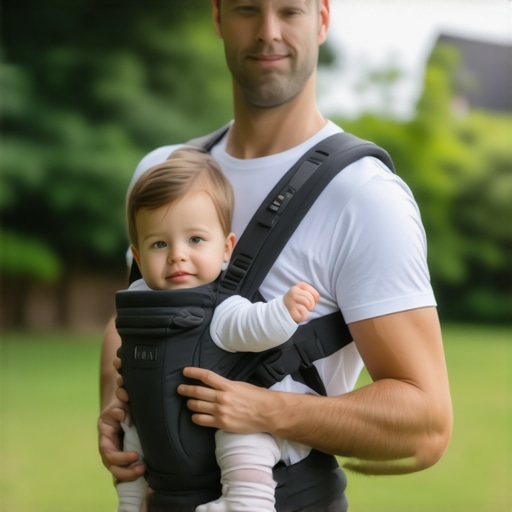
It hit me unexpectedly one afternoon—I was trying to lift my toddler out of the stroller, and a sharp twinge shot through my lower back. My hips felt tight, uncooperative, as if they’d forgotten how to move properly. That moment was a wake-up call. I realized that carrying my child shouldn’t come at the expense of my hips or back, yet I was unknowingly making that very mistake.
Many parents don’t realize how everyday tasks—like lugging your kid around—can strain your hips and spine over time. The guilt of feeling tired and sore is compounded when you know there’s a better way, but you’re not sure where to start. That’s exactly what I want to share with you today: simple, practical strategies that will help you carry your child comfortably without putting stress on your hips.
Why Your Hip Pain Might Be More Common Than You Think
Is it really possible to carry a child without wrecking your hips?
Personal experience taught me that early on, I was making a critical mistake—holding my child on the same side consistently, which caused uneven wear and tear on my hips. I believed I was being careful, but I didn’t realize how small habits could lead to big problems down the line. Studies show that repetitive loading and poor posture during lifting or carrying can significantly increase the risk of hip and back pain (source: [ChiroMastery](https://chiromasteryz.com/posture-correction-secrets-that-transform-back-pain-outcomes)).
The key lies in awareness and technique. Think about how often we carry our children—sometimes for hours without realizing the toll it takes. Your hips are designed to move freely, but habits like tilting to one side or keeping your weight unevenly distributed can cause chronic discomfort.
If you’ve ever wondered whether you’re doing more harm than good, you’re not alone. Trust me; I’ve been there, and so have many parents I’ve spoken to. The good news is, tiny adjustments can lead to big relief.
In the next sections, I’ll guide you through habits you can adopt today—nothing complicated, just practical tips based on personal experience and expert advice. We’ll explore how to balance your load better, improve your posture while carrying, and strengthen your hips so they can do their job without crying out for help.
But first, take a moment—have you ever faced persistent hip or lower back pain after carrying your child? If so, you’re in the right place. Because understanding these issues is the first step toward moving freely and comfortably again.
Distribute the Load Evenly
Imagine your hips as hinges on a door that needs to pivot smoothly. When you carry your child on one side constantly, it’s like forcing that door to swing open only from one hinge, causing strain. To avoid this, switch sides frequently—every 10 to 15 minutes—and keep your child centered against your body as much as possible. During my own practice, I found that alternating sides every few minutes significantly reduced hip discomfort and helped maintain balance. Remember, use your core muscles to support this movement, which can be reinforced with simple exercises found at this link.
Adjust Your Posture Like a Pro
Think of your posture as a scaffolding that holds your hips and back in alignment. When lifting or holding your child, keep your shoulders back and chest open, as if you’re proud of your posture. Engage your abdominal muscles gently, drawing in your belly to support your spine. I remember a morning when I consciously corrected my stance and felt immediate relief from lower back tension. It’s like tuning a musical instrument—small tweaks make a big difference. For detailed posture tips, visit this article.
Strengthen Your Hip Muscles
Your hips are built for movement, but they need strength and stability to carry weight safely. Incorporate simple exercises like hip bridges and side leg lifts into your routine. Once, I added these to my morning, and over a few weeks, I noticed less soreness and greater ease when lifting my toddler. Think of it as giving your hips a gym membership—stronger muscles support better function and reduce pain. Dive into more effective mobility strategies here: this resource.
Practice Safe Lifting Techniques
Approach lifting as if you’re a gymnast preparing for a routine—precision matters. Bend at your hips and knees, keeping your back flat, then lift with your legs, not your waist. Imagine trying to pick up a box without twisting your spine—this requires awareness and deliberate movement. I once attempted to lift my son from a weird angle and felt immediate discomfort; after mastering proper technique, those episodes became rare. For step-by-step guides, check this tutorial.
Incorporate Regular Mobility Breaks
Your hips and spine benefit from periodic movement—think of your body as a machine that needs oiling. Every 30 minutes, take a moment to stand, stretch, or walk briefly. This prevents stiffness and promotes blood flow. During a busy day, I set a reminder; stepping away from screens and doing gentle twists or leg swings revitalized my hips, much like tuning up your car. To learn specific mobility exercises, visit this page.Many people believe that simply stretching more or getting frequent adjustments can solve chronic back pain, but the reality runs much deeper. The common myth that pain is purely a mechanical problem often leads to short-term relief at best, and long-term issues at worst. In fact, persistent back issues often stem from subtle imbalances and faulty habits that most assume are harmless. For example, relying solely on manual adjustments without addressing underlying movement patterns can give temporary relief but may inadvertently reinforce poor biomechanics over time, leading to what experts call “adaptive postural behaviors” (source: these faulty habits).
One critical nuance often overlooked is the distinction between mobility and flexibility. Many assume that flexibility equates to mobility, but they are not the same. Increased flexibility without proper strength or control can exacerbate instability, especially in the lumbar and hip regions. This is supported by recent studies indicating that overly flexible muscles, like overstretched hamstrings or hip flexors, can impair proprioception and joint stability, increasing the risk of injury (source: mobility vs. flexibility).
Adding to the complexity is the trap of misinterpreting adjustments as permanent fixes. Many individuals come for chiropractic care expecting that a few sessions will eliminate their pain entirely. While adjustments can restore joint alignment temporarily, they are not standalone solutions. Without addressing the neural patterns that govern movement and muscle activation, the body often reverts to maladaptive postures. This is why combining adjustments with targeted mobility exercises and conscious movement habits yields better results, as emphasized in my daily routine.
Another subtle trap is neglecting the importance of comprehensive assessment. Commonly, practitioners focus on symptomatic areas—like the lower back—without evaluating upstream causes such as hip mobility deficits or core muscle weaknesses. For example, poor pelvic stability from weak glutes can cause compensatory lumbar hyperextension, perpetuating pain cycles. Recognizing and correcting these issues requires a nuanced understanding of biomechanics and functional movement patterns, which is often missing in general advice.
For those looking to truly master their back health, investing in your body’s control and awareness is crucial. This means incorporating integrative approaches—like mobility exercises that enhance joint stability and neural control, alongside mindful postural habits—rather than relying solely on passive care. I recommend exploring mobility mastery strategies that focus on long-term functional improvements.
Are you falling into the trap of thinking that quick fixes are enough? Remember, real progress requires attention to the subtle nuances of movement and posture. Do you have any experiences with these hidden pitfalls? Share in the comments, and let’s unravel these misconceptions together.Maintaining a healthy back and good posture over time requires more than just a one-time fix; it hinges on the consistent use of effective tools and strategies. One of my personal favorites is the **foam roller**, particularly the dense, high-quality models I use regularly. They allow me to perform self-myofascial release, which reduces muscle tightness and enhances mobility. I personally prefer the **Rumble Roll** because its firm surface targets deep tissue, providing relief from chronic tension accumulated from daily activities like lifting or prolonged sitting. Incorporating daily foam rolling sessions—just 5-10 minutes—helps me preserve my body’s alignment and prevents minor issues from escalating.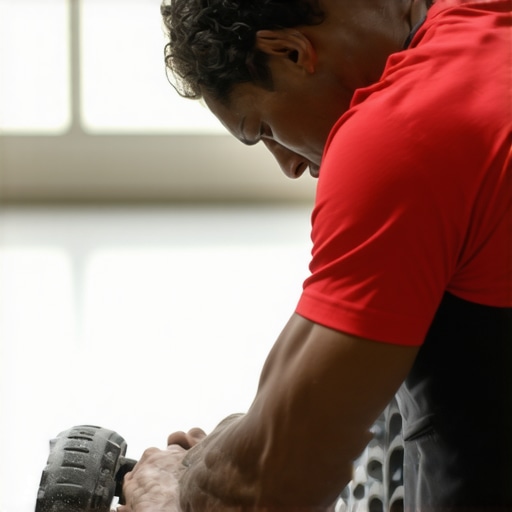
Besides foam rolling, I recommend integrating **thera-guns** or percussion massagers into your routine. These devices deliver targeted muscle release, especially useful after intense mobility exercises or long periods of sedentary work. I’ve found that using a theragun on my hips and lower back after a workout significantly enhances recovery and maintains long-term function. It’s important to learn proper technique—excessive or incorrect use can cause bruising or irritation. Check out expert tutorials or consult a professional to optimize your routine.
For maintaining spinal and joint health, **adjustable ergonomic furniture**, such as sit-stand desks and supportive chairs, can make a profound difference. I switched to an adjustable desk a few years ago, which allowed me to alternate between sitting and standing, reducing stiffness and pressure on my lumbar spine. Make sure your workspace setup supports natural postures to minimize strain over hours of work. Regularly reviewing and adjusting your setup ensures sustained benefits.
As technology evolves, software solutions are increasingly useful. Apps like **PostureZone** or **Upright** guide you in maintaining correct alignment during your day, offering real-time feedback based on your smartphone’s sensors. I started using Upright during long work sessions; its cues remind me to sit upright and engage core muscles, reinforcing good habits. Consistent reminders like this can gradually rewire your posture patterns, leading to more durable improvements.
Looking ahead, the trend is leaning toward **smart mobility tools**—sensor-embedded wearables that monitor posture and movement. These devices will analyze your habits throughout the day and suggest real-time adjustments to prevent strain proactively. Predicting where this tech heads, I see an integration of AI-driven feedback systems that learn your routines and customize corrective prompts, much like how fitness trackers motivate healthier activity patterns.
**How do I keep up with these tools and prevent regression?** The key is regular maintenance—setting a weekly schedule to review your equipment, update software, and reassess your posture habits. Also, staying connected with resources like professional consultations can help you adjust your plan as your needs evolve. Don’t forget, consistency is vital; even the best tools won’t work if neglected. Try incorporating a weekly foam rolling session combined with a posture check-in app—these small steps can pave the way for long-term relief and mobility. For more detailed strategies, explore this resource and elevate your maintenance routine beyond basic fixes.
The Hardest Lesson I Learned About Back Pain, Posture, Adjustments, Mobility
One of the most profound insights I gained was realizing that many of our habits, often unnoticed, can silently sabotage our hips and back. For example, holding my child on the same side repeatedly didn’t seem problematic until I felt that nagging pain. It taught me that consistency in small postures or movements can lead to big issues over time, emphasizing the importance of balanced load and mindful movement daily.
3 Myths About Back Pain, Posture, Adjustments, Mobility That Held Me Back
I used to believe that quick chiropractic adjustments alone would fix my back, but I discovered that without integrating mobility drills and posture awareness, relief was temporary. I also thought flexibility was always the answer—only to learn that strength and control are equally vital for pain-free movement. Finally, I was under the impression that pain was just mechanical; understanding the neural and muscular aspects changed my entire approach, leading to sustainable comfort.
What Experts Won’t Tell You About Protecting Your Hips While Parenting
Many overlook how minor habits like unevenly carrying your child or neglecting breaks can cause cumulative strain. Proper load distribution, regular posture checks, and strengthening your hip stabilizers are often omitted in casual advice but are crucial for long-term health. These real, often unspoken truths from professionals helped me avoid chronic discomfort and keep up with my little one enthusiastically.
Curated Recommendations
Building on my experience, I rely on several tools and resources that truly make a difference. First, the mobility exercises I discovered help me regain control over tight hips and back. Second, the flexibility strategies guide expanded my understanding of safe stretching. Third, I trust daily adjustment routines that reinforce good habits. Lastly, consulting with a professional through this contact page ensures my approach stays effective and personalized.
Your Next Move to Keep Moving Safely
The journey to pain-free parenting and active hips isn’t a quick fix but a continual practice. Remember, small consistent steps—like alternating carrying sides, practicing mindful posture, and incorporating targeted mobility—are game-changers. Keep exploring, stay committed, and don’t hesitate to seek expert guidance to tailor these habits to your life. Your hips and back will thank you as you enjoy every moment with your little one with confidence. Are you ready to make these changes today? Let me know which habit you plan to start with below.