
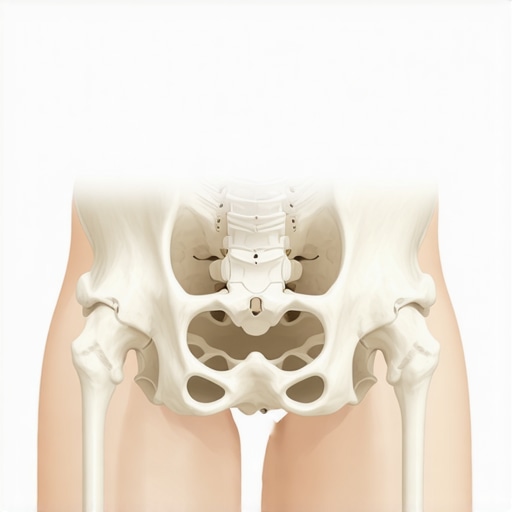
Ever caught yourself grimacing after sitting through a long meeting or finishing a workout, only to realize your lower back feels tighter than usual? I’ve been there—a sudden twinge or that persistent dull ache that just won’t go away. One lightbulb moment for me was recognizing that my pelvis might be tilting forward, subtly throwing my entire posture off and causing discomfort I couldn’t shake off.
Why Recognizing a Forward Pelvic Tilt Is Key to Relief
Understanding whether your pelvis is tilted forward isn’t just about vanity or body image. It’s a fundamental piece of the puzzle if you’re battling chronic back pain or stiffness. When your pelvis tilts forward, the natural curve of your lower spine—called lordosis—becomes exaggerated, leading to muscle imbalances and increased strain on your lumbar discs. This imbalance often sneaks in gradually, making it hard to notice until pain or discomfort becomes persistent.
In my early days of dealing with persistent back discomfort, I made a common mistake: ignoring the warning signs and hoping it would resolve itself. Instead, I realized that a simple self-assessment could reveal a lot. Did I notice that my hip flexors felt tight? Or that my lower back muscles constantly felt engaged, even when I wasn’t doing anything strenuous? These clues pointed towards a forward pelvic tilt, a condition many people overlook because it develops gradually.
Why does this matter now? Because addressing it early can prevent more serious issues like herniated discs or chronic sciatica. Plus, it’s entirely achievable to correct with targeted exercises and adjustments. Intriguingly, studies show that poor pelvic alignment can alter the way your spine distributes weight, increasing the risk of long-term damage (source: Posture Correction Secrets).
If you’re thinking, “Is this just another fitness fad?” or “Will I really be able to tell?”—trust me, I questioned those things, too. My biggest mistake was dismissing early signs, which only led to more discomfort. The good news? There are straightforward ways to check your pelvic alignment at home, and I’ll walk you through them. None of it requires fancy equipment—just a mirror, a ruler, and a little… patience.
So, have you ever felt persistent lower back tightness or noticed uneven hips in the mirror? Recognizing these signs might be your first step towards relief. Ready to learn how to identify if your pelvis is tilting forward and what you can do about it? Let’s get into the practical side that transformed the way I approach back health.
Start with Self-Assessment
Before jumping into exercises, determine if your pelvis tilts forward. Stand in front of a mirror with your feet shoulder-width apart. Observe your hips and waist. If one hip appears higher or your belt line tilts forward, you could have a forward pelvic tilt. I remember doing this in my bathroom one morning; my hips looked uneven, which was a wake-up call. Document your observations to track progress over time.
Address Tight Hip Flexors
Shortened hip flexors pull the pelvis into an anterior tilt. To loosen them, perform a gentle hip flexor stretch. Lie on your stomach, prop yourself up on your elbows, and gently push your hips downward. Hold for 30 seconds and repeat. I once spent a week daily doing this after noticing tightness, and gradually, my pelvis shifted into better alignment. Consistency is key here.
Strengthen Your Glutes and Core
Weak glutes and core muscles fail to support the pelvis, promoting tilting forward. Incorporate glute bridges and planks into your routine. Lie on your back, knees bent, feet flat, and lift your hips towards the ceiling, squeezing your glutes. For the core, hold a plank position, engaging your abdominals. I added these in my mornings, starting with just 10 reps, and felt my pelvis beginning to stabilize within a couple of weeks.
Practice Pelvic Tilts
Dynamic pelvic tilts retrain your pelvis’s position. Lie on your back with knees bent, feet flat. Flatten your lower back against the floor by tilting your pelvis upward, then gently arch it away. Perform slow, controlled motions for 2 minutes daily. Initially, I felt a bit awkward, but over time, these movements helped me gain conscious control of my pelvic position.
Incorporate Daily Posture Adjustments
Small habits make a big difference. When sitting, ensure your hips are slightly higher than your knees, and avoid slouching. Regularly readjust your sitting posture during the day. Using reminders or posture-correcting apps helped me stay mindful. Even during short breaks, I’d do gentle stretches and pelvic resets, which prevented my tilt from worsening.
Schedule Regular Mobility Breaks
Sticky hips and tight back muscles contribute to tilting. Incorporate mobility exercises into your daily routine. Movements like leg swings, cat-cow stretches, and spinal rotations increase flexibility. I found that just 5-minute movement sessions every hour kept my hips and spine loose, reducing the tendency to tilt forward.
Seek Professional Guidance if Needed
If self-corrections aren’t enough, consulting a chiropractor or physical therapist can identify deeper issues. They might suggest targeted manual adjustments or personalized exercises. Visiting a professional once or twice can accelerate your progress, much like I did when persistent discomfort persisted despite my efforts.
Remember, correcting pelvic tilt isn’t a quick fix—it’s an ongoing process. Consistency with these steps can lead to lasting improvements in your posture and relief from back discomfort. For more targeted strategies or tailored advice, don’t hesitate to reach out to us.
Many assume that consistent stretching or quick adjustments are enough to fix chronic back pain, but the reality is far more nuanced. A common misconception is that all back pain stems from muscle tightness or poor posture alone, leading many to focus solely on superficial fixes. However, research shows that the underlying causes often involve complex joint, nerve, and movement pattern issues that can be overlooked if you’re not careful. For example, many overlook how compensatory movement patterns develop over time due to rigidity or misalignments elsewhere in the kinetic chain, like the hips or ankles, which influence spinal health.
Another trap is the belief that manual adjustments provide permanent relief. While spinal manipulations can temporarily improve alignment, studies reveal that without active participation—like targeted mobility exercises and daily habits—your body reverts to old patterns, and pain returns. A 2017 study emphasizes that long-term pain relief depends on integrating movement re-education and strengthening, not just adjustments alone.
Have you ever fallen into this trap? Let me know in the comments.
Why Focusing Solely on Flexibility Can Backfire
Many emphasize daily stretching routines, but overemphasizing flexibility without strengthening stabilizer muscles can actually worsen your back issues. Flexible but weak core muscles fail to support the spine, allowing misalignments to persist or worsen. Aggressive stretching might loosen tissues temporarily, but if not paired with strengthening, it can lead to joint instability and increased pain, especially if your body compensates with tighter muscles elsewhere.
The key lies in a balanced approach — combining mobility work, like simple mobility exercises, with strength training focused on the deep stabilizers of your core. This strategy addresses the root causes rather than just surface-level symptoms. Prioritizing neuromuscular re-education helps reprogram your body’s movement patterns, leading to more sustainable relief and better posture.
Don’t forget that bad habits and daily routines contribute significantly to back pain. Small adjustments, like improving sitting posture or incorporating movement breaks, make a big difference over time. You can explore more about these practical daily habits here.
Understanding these nuances is crucial for anyone serious about overcoming chronic back issues. If you’re ready to take control and avoid these common pitfalls, consider professional guidance or personalized routines. You might find it beneficial to consult experts who can help tailor solutions beyond generic advice. To learn more about advanced strategies, visit Posture Correction Secrets or reach out through our contact page.
Tools I Trust for Sustained Back Relief
Maintaining your back health over time requires more than just occasional stretches—it’s about integrating reliable, effective tools into your routine. Personally, I swear by the use of a high-quality foam roller. It helps me release deep-seated muscle tension, especially in the thoracolumbar fascia, which studies show can contribute to chronic back pain if left unaddressed (Fascia Research on Back Pain). I prefer one with a dense, firm surface that allows for targeted myofascial release without excessive softness that diminishes efficacy.
Alongside manual tools, I incorporate a smart posture coaching device—a wearable that provides real-time feedback on spine alignment. I’ve found it invaluable in retraining my habitual slouching tendencies, especially during long work sessions. These devices utilize accelerometers and gyroscopes to monitor posture and send alerts, effectively reinforcing new habits. As technology advances, expect these tools to become even more intuitive and seamlessly integrated into our daily lives.
Software Solutions for Posture and Mobility
In the digital era, the right software can complement physical tools beautifully. I use a mobility tracking app that offers customized routines based on my daily habits and feedback. It reminds me to perform targeted exercises like hip flexor stretches and spinal rotations. The app records my progress over weeks, helping me identify patterns—like when I notice increased tightness or discomfort—and adjust accordingly.
Prediction suggests that integrating wearable sensors with AI-driven analytics will soon revolutionize back health maintenance. These tools will personalize routines, alert you to potential issues before they escalate, and even suggest lifestyle modifications, making proactive care more accessible than ever before.
How do I keep my back healthy over the long haul?
The key lies in consistency and smart choices. Regularly scheduled mobility sessions, like the mobility exercises I do with my foam roller and digital prompts, keep my tissues supple and my posture conscious. Equally important is routine daily adjustments. Small habits—like setting reminders to reset your pelvic tilt or adjusting your workspace ergonomics—are cumulative advantages for long-term health.
For those looking to elevate their regimen, I encourage trying an advanced tip: incorporate a hip hinge movement into your warm-up. This movement trains your hips to move correctly during daily activities and exercise, safeguarding your lumbar spine from excessive load. Give it a shot today, and experience how a simple shift in movement technique can make a lasting difference.
The Hardest Lesson I Learned About Back Pain, Posture, and Mobility
One of the most profound realizations I had was recognizing that quick fixes and superficial stretches rarely address the root causes of chronic back issues. Instead, true healing required understanding my body’s movement patterns and accepting that sustainable change demands consistent effort over time — a lesson that initially challenged my patience but ultimately transformed my back health.
How Overconfidence in Equipment Might Sabotage Your Progress
I used to believe that owning the latest posture-correcting gadgets alone would solve my back problems. However, I discovered that without actively engaging in targeted exercises and daily habits, such tools become just accessories without lasting impact. Real progress came when I paired technology with mindful movement and strengthening routines, emphasizing that no device can substitute for informed action.
Why Relying Solely on Flexibility Can Lead to Instability
This was a harsh wake-up call: overemphasizing stretching without strengthening my deep core muscles actually worsened my back discomfort. Flexibility is vital, but it must be balanced with stabilization. Building resilient muscles around my pelvis and spine proved essential, encouraging me to adopt a more holistic approach that integrated mobility with strength training for lasting relief.
My Go-To Resources for Staying Consistently Aligned
Over the years, I’ve curated a set of reliable tools and sources that keep my back healthy. The mobility exercises library became my foundation, offering targeted routines that fit into a busy schedule. I trust daily posture adjustments tips because they reinforce conscious habits I can maintain long-term. These resources empower me to take control of my back health every day.
Believe in Your Ability to Change and Take the First Step
Finally, I want to remind you that overcoming back pain isn’t about perfection—it’s about persistence and compassion for your own journey. Each small daily habit, from mindful sitting to simple mobility drills, builds momentum. Embrace the process, trust your body’s capacity to improve, and start today. Your future self will thank you for the investment in your back’s well-being.