
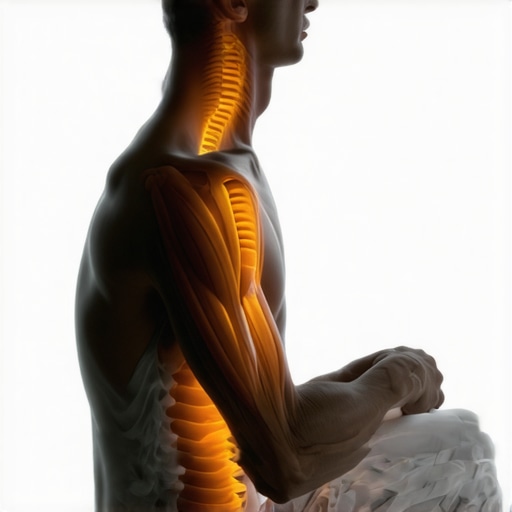
It was a typical morning, I was painfully aware of the stiffness creeping up my spine after a long night. But this time, as I caught my breath during a quick stretch, I realized something surprising: my breathing was shallow and uneven. That little lightbulb moment changed how I approached back health forever. When I finally paid attention to how I breathe, I uncovered a hidden pattern that was silently guarding my back muscles—sometimes against me.
Why Breathing Is The Hidden Key To Back Comfort
Our breathing isn’t just about oxygen; it’s a powerful tool influencing posture, muscle tension, and even pain levels. Ever notice how your back tightens up when you’re stressed or anxious? That’s because shallow, chest-focused breathing causes your core muscles to weaken and your back to overcompensate. Over time, this becomes a cycle—poor breathing habits reinforcing poor posture, which leads to discomfort or even chronic pain.
From my personal experience, adjusting my breath pattern unlocked a new level of mobility and relief. It’s like rewiring your body’s natural guard system—making sure your back muscles aren’t unnecessarily tense or guarded. The good news? Addressing your breathing can be a simple, yet profound change. Want to breathe better, move freer, and keep your back protected? Keep reading—this is a game-changer.
Is It Really Worth The Effort? Doubts About Breath Work For Back Pain
I get it. At first, I thought, “Really? Breathing differently can make that much difference?” I made the mistake early on of dismissing it as too simple. But the truth is, I underestimated how much habitual breathing influences muscle tension. Experts confirm this connection: recent studies suggest that diaphragmatic breathing can significantly reduce muscle guarding and inflammation, which are common culprits behind back discomfort. If you’re skeptical, ask yourself—have you ever felt tense or breathless during stressful moments? That’s your body showing how intertwined breath and back health truly are.
Now that you’re with me here, ready to explore how to harness your breath for better back health, let’s dive into practical steps that will empower you to take control of this quiet guardian of your spine. Do you often find yourself holding your breath during activity or waking up with a stiff back? If so, you’re not alone—and there’s a simple solution waiting to be uncovered.
Start with Deep Diaphragmatic Breathing
Lie flat on your back, knees bent, hands resting on your belly. Inhale slowly through your nose, aiming to expand your diaphragm rather than your chest. Feel your belly rise like a balloon filling with air. Exhale gently through pursed lips, letting your belly fall. This practice retrains your breathing to engage the diaphragm properly, reducing tension in your back muscles and improving posture.
Practice Focused Breathing Daily
Set aside 5 minutes each morning for focused breathing. Sit comfortably, close your eyes, and take slow, deliberate breaths. Count to four on inhalation, hold for a count of two, then exhale for four. Consistency helps your nervous system shift from shallow chest breathing to deep belly breathing, decreasing overall muscle guarding and pain.
Integrate Breathwork with Gentle Movements
Combine breathing with gentle spinal mobility exercises. For example, while inhaling, gently lift your arms overhead; exhale as you lower them. This coordination enhances body awareness, improves mobility, and promotes proper engagement of core muscles. In my experience, doing this after a long day settled persistent back stiffness—though initially, I stumbled with uneven breaths and awkward movements. Persisting brought noticeable relief over time.
Adjust Your Environment for Better Breathing Habits
Create a space conducive to mindful breathing. Sit in a quiet, comfortable area free from distractions. Use a mirror or record yourself to monitor chest versus belly movement. Redirect any tendency to chest-breathe by placing a lightweight book on your abdomen and ensuring it rises with each inhale. This reinforces diaphragmatic engagement and helps prevent habitual shallow breathing that exacerbates back tension.
Stay Mindful and Correct Posture Throughout the Day
Check your posture regularly, especially during prolonged sitting. Imagine your spine as a stack of balanced blocks—each segment aligned correctly. When you notice slouching or forward head posture, pause and reset with a few deep breaths, consciously engaging your core. This habit ingrains better posture and reduces reliance on muscular overcompensation, which I learned the hard way during a hectic week when back pain flared up suddenly. Regularly practicing these breathing and posture habits can transform your back health over time. For more strategies, explore simple adjustments to relieve back pain and daily adjustments for back health.Many assume that popping your back always leads to relief, but in reality, rushing into adjustments without understanding their nuances can do more harm than good. One common myth is that continuous cracking indicates progress; however, over-reliance on this habit can mask underlying issues and cause joint instability over time. Advanced practitioners know that true mobility isn’t just about joint manipulation—it’s about unlocking fascial restrictions and neural patterns that often go unnoticed.
Are Your Adjustments Actually Harming Your Progress?
Experts like Dr. Kelly Starrett emphasize that aggressive or poorly executed adjustments can disrupt the body’s natural proprioception, leading to increased reliance on chiropractic manipulations instead of fostering genuine muscular and fascial health. This repetitive cycle may create a dependency, where the body waits for external intervention rather than developing internal resilience. An alert for those eager to seek quick fixes: avoid the trap of thinking adjustments alone can solve persistent postural issues without complementary mobility work. Instead, integrate targeted exercises from programs like mobility mastery to develop a balanced and resilient back.
What Do Most Overlook When Trying to Improve Mobility?
Many focus solely on stretching or strengthening, but neglect the importance of neural mobility—the ability of the nervous system to glide freely within tissues. Ignoring this can lead to stiffness that no amount of stretching alone can resolve. Incorporating nerve gliding techniques, such as those detailed in nerve glide exercises, ensures that your mobility gains are sustainable and not just a temporary fix. I’ve seen cases where quick-fix stretching worsened symptoms because the nervous system was left untreated, highlighting the need for a nuanced approach.
Beware of the Shortcuts That Backfire
Many inadvertently fall into the trap of relying on quick chiropractic sessions or mobility apps without understanding their proper application. Without proper assessment and personalized adjustments, efforts can become unfocused, leading to frustrating plateaus or setbacks. To truly elevate your back health, prioritize a comprehensive approach that combines adjustments, mobility drills, and mindfulness, as outlined in posture correction tips. Remember, authentic change takes time and informed action—not shortcuts.
Have you ever fallen into this trap? Let me know in the comments.Maintaining a healthy back isn’t a one-and-done effort; it requires the right tools, consistent routines, and a mindset geared toward longevity. Personally, I rely on a combination of specific equipment and proven methods to ensure my mobility remains sharp and pain-free over the years. One indispensable tool I use daily is a **foam roller**, especially for fascia release in my thoracic and lumbar regions. Regular myofascial release helps prevent stiffness and maintains tissue elasticity, which is crucial for long-term back health. I also incorporate a **massage ball** into my routine to target tight spots that tend to develop from prolonged sitting or repetitive movements. These tools are simple, affordable, and highly effective when integrated into a disciplined regimen.
How do I maintain back health over time?
Beyond just using tools, I prioritize **mobility mastery** through consistent stretching and targeted exercises. I follow programs like Mobility Mastery to identify and address stiffness before issues arise, rather than waiting for pain to force a change. Incorporating **daily adjustments**—such as pelvic tilts or gentle spinal mobilizations—is another game-changer I’ve adopted using guidance from daily routines for back improvement. These simple yet consistent actions reinforce spinal health and prevent degenerative patterns.
Future of back maintenance tools
As technology advances, we’re seeing smarter devices like biofeedback wearables that monitor posture in real-time, nudging us to correct ourselves proactively. I predict a future where personalized, AI-driven routines will customize mobility and strengthening plans based on individual joint and muscle characteristics, making back care even more accessible and precise. An example coming from cutting-edge research includes **biofeedback belts** that can alert you when your posture deviates, encouraging immediate correction and reinforcing healthy habits without manual effort. This evolution will empower everyone to take control of their back health with less guesswork and more data-driven insights.
Ready to level up your maintenance routine?
Pick one advanced tip from this discussion—such as integrating a **foam roller session** into your daily routine—and commit to it for a week. Notice how small, consistent efforts lead to big improvements over time. For more in-depth strategies, explore mastering mobility and unlocking better posture. If you want personalized guidance or have specific concerns, don’t hesitate to reach out. Maintaining your back health is a marathon, not a sprint—equip yourself well, stay consistent, and your future self will thank you.
The Hardest Lesson I Learned About Breath and Posture
Early in my journey, I believed that intense exercises and posture corrections alone would transform my back health. However, I overlooked the subtle power of breath—my quiet, daily companion. It took me months to realize that shallow chest breathing was silently sabotaging my efforts. Deepening my diaphragmatic breath fundamentally changed my muscle tension and posture, teaching me that some of the most profound progress comes from embracing the simple act of conscious breathing.
Why My No-Shortcut Approach Outperforms Quick Fixes
Initially, I was tempted by quick adjustments and instant relief. But I discovered that true mobility and back health require patience and consistent effort. Relying solely on shortcuts often led to temporary relief, only to be followed by setbacks. Dedicating time to foundational practices like daily mobility routines, mindful breathing, and posture awareness created lasting change—proof that sustainable progress results from perseverance, not shortcuts.
The Surprising Power of Neural Mobility I Ignored
For a long time, I focused only on stretching muscles, believing flexibility was key. I neglected neural mobility—the way nerves glide within tissues. missing this piece meant stubborn stiffness remained. When I integrated nerve glide exercises, everything shifted. It taught me that genuine mobility isn’t just muscular—it’s neural, fascial, and neural tissue interactions working together. This insight became a game-changer in my back health strategy.
The Myth That My Body Would Fix Itself
I used to think, “If I just keep moving, my back will heal naturally.” That myth cost me precious time. I learned that proactive, deliberate interventions—like targeted mobilizations and breathing practices—are essential. Waiting for spontaneity or natural healing without supporting habits often leads to frustration. Taking ownership of small, intentional actions consistently builds the foundation for resilient, pain-free movement.
Curated Tools That Truly Support My Back Journey
- Foam Roller: I trust it because it offers quick fascia release, preventing stiffness from creeping in. Regular use keeps my tissues elastic, especially after long days.
- Massage Ball: Perfect for targeting specific tight spots, it fills the gap between sessions and makes my recovery personal and manageable.
- Mobility Programs: I recommend Mobility Mastery because it systematically addresses stiffness with proven exercises, empowering me to take control of my back health.
- Smart Posture Devices: As technology evolves, wearables that alert me to poor posture have become invaluable. They keep me mindful throughout the day, reinforcing good habits in real-time.
Remember, Your Back Health Is a Personal Voyage
Embarking on your adjustments,mobility,back pain,posture journey is uniquely yours. Progress might be slow, but each conscious breath, mindful posture, and diligent move contributes to a resilient back. Don’t be discouraged by setbacks—instead, celebrate small victories that lead to lasting transformation. The future of your back health depends on this ongoing commitment. Ready to discover how far consistent effort can take you?
What’s one adjustment or habit you’re excited to incorporate into your daily routine? Share your thoughts below, and let’s support each other on this empowering path.