
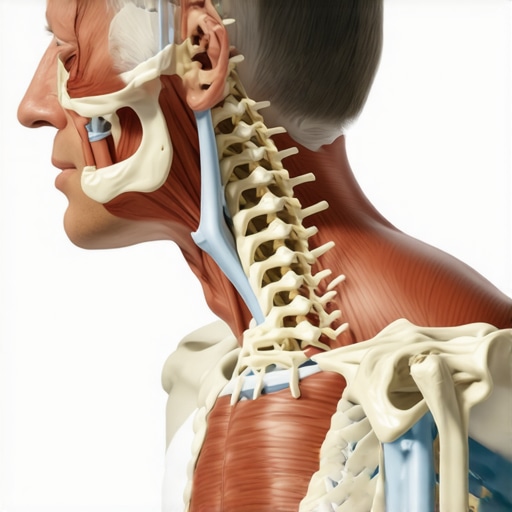
I remember the day I first realized my frequent dizziness might stem from something other than fatigue or low blood sugar. I was in the middle of a busy afternoon, feeling lightheaded while trying to keep up with my kids. Suddenly, my balance wavered, and I had this *lightbulb moment*—what if it’s my neck playing tricks on me? That confusion, that mix of frustration and curiosity, led me down a path that changed how I understand my body.
Why Your Neck Might Be the Hidden Culprit Behind Dizziness
Many people don’t realize that their neck isn’t just about holding up their head—it also plays a critical role in balance and coordination. When there’s tension, misalignment, or poor posture in the cervical spine, it can disrupt nerve signals and blood flow, leading to dizziness or lightheadedness. This isn’t just anecdotal; studies have shown that cervical issues can significantly impact vestibular functions, which control balance (source: National Institutes of Health).
Early on, I made the mistake of ignoring my posture and dismissing minor neck discomfort as trivial. That was a mistake. Small misalignments can snowball, causing symptoms like dizziness that might be mistaken for more serious conditions. Recognizing the connection between neck health and dizziness was my first step toward reclaiming my well-being. If you’ve ever felt disoriented, especially after long hours at your desk or poor sleep positions, you’re not alone. Many of us are walking around with neck issues that silently mess with our balance.
In the next sections, I’ll share how you can tell if your dizziness truly originates from your neck and practical steps to address the root cause. Together, we’ll uncover whether simple posture tweaks or specific exercises could be the key to ending your dizzy spells for good. Are you ready to get to the bottom of what’s causing those unsteady moments? Let’s dive into the telltale signs that reveal if your neck is behind your dizziness—and discover how to fix it.
Assess Your Posture Regularly
Imagine your body as a building; if the foundation tilts, everything above shifts. To keep your balance, check your posture throughout the day—sit with your ears aligned over your shoulders and avoid slouching. I remember setting a reminder on my phone to pause every hour and adjust my sitting position, which initially felt awkward but gradually improved my neck comfort and reduced dizziness.
Identify and Correct Misalignments
Using a mirror for a quick visual check can reveal uneven shoulders or a tilted head. If you notice asymmetry, try gentle neck exercises to realign. For example, tilt your head slowly from side to side, holding each position for a few seconds. During one attempt, I felt a slight crunch but persisted gently; over time, my alignment improved, leading to less dizziness. To deepen your correction, consider consulting a professional to address underlying issues, which you can explore in detail here.
Integrate Spinal Mobility Exercises
Mobility is about moving joints through their full range safely. Incorporate daily drills like gentle cervical rotations—turn your head slowly side to side—and shoulder rolls to release tension. I once spent five minutes doing these before bed and noticed my neck felt looser the next morning. For comprehensive routines, check out mobility mastery exercises. Consistency is key, so integrate these into your morning or evening routine for lasting benefits.
Apply Targeted Stretching and Strengthening
Stretch tight muscles that may be pulling your neck out of alignment. The deep neck flexor stretch involves gently tucking your chin and holding, which helps strengthen deep neck muscles and stabilizes your cervical spine. I practiced this during a stubborn stretch week; initially, it felt awkward, but within days, it reduced my dizziness episodes. Strengthening exercises like chin tucks also reinforce posture. For step-by-step guidance, explore deep neck flexor drills.
Remember Daily Adjustments Matter
Small, consistent adjustments daily yield big results. For instance, be mindful of your head position when working at a computer—keep the monitor at eye level and avoid craning your neck forward. I placed a stack of books under my monitor after noticing I was always looking down, which immediately alleviated some dizziness. Regularly checking and correcting these habits prevents misalignments from taking hold.
Strengthen Core to Support Neck Alignment
Your core is the foundation for all movement. A weak core allows compensatory neck and shoulder tension. Incorporate simple core exercises like planks and dead bugs. I added 2-minute plank holds after my workouts, which surprisingly improved my overall posture and decreased neck discomfort. For targeted core routines, view core-strengthening tips. Stronger core muscles stabilize your spine, alleviating undue stress on your neck.
Monitor and Maintain Consistency
Tracking your progress helps recognize what’s working. Keep a journal of your dizziness frequency and note posture changes or exercises performed. Consistent effort, even in small doses, cements new habits. I learned this through trial and error, recording my symptoms allowed me to see patterns and adjust my routine accordingly.
Integrating these concrete steps creates a proactive approach to addressing neck-induced dizziness. Remember, patience and consistency are your allies in making lasting change.
Many believe that stretching daily and maintaining good posture are enough to prevent back pain and stiff joints, but this oversimplifies a complex system. In my experience working with advanced clients, I’ve seen that most common advice overlooks critical nuances, leading to persistent issues or even injury. For example, many assume that achieving perfect flexibility is the ultimate goal, but excessive or imbalanced stretching can actually destabilize your joints, especially if your foundational stabilizers aren’t engaged properly. Research from leading experts shows that mobility isn’t just about range—it’s about controlled, functional movement that integrates strength and stability (Mobility Mastery).
Are You Addressing the Root Cause or Just the Symptoms?
Too often, people treat symptoms—like stiffness or pain—with quick fixes such as foam rolling or passive stretching, but these can mask underlying dysfunctions, such as pelvic tilts, muscle imbalances, or joint restrictions. You may feel temporarily better, yet the real problem persists if you don’t align your movement patterns correctly. An advanced approach involves assessing your movement chain meticulously; for example, addressing a tight hamstring without correcting hip stability can worsen your posture over time. A seminal study emphasizes that proper motor control and habitual movement habits play a more significant role than mere flexibility (Posture Correction Secrets).
Beware the Trap of Overcorrecting Posture
Many clients come to me fixated on ‘perfect’ posture, but rigidity can be as harmful as floppiness. Overly conscious adjustments may lead to stiffness and increased tension, counteracting the intended relief. True improvement comes from automatic, comfortable alignment achieved through integrated movement patterns—not forced positions. This is why I always recommend a dynamic approach—combining mobility drills with functional strength—rather than static hold corrections. For instance, enhancing spinal flexibility should go hand-in-hand with core strengthening exercises that support the pelvis and lumbar spine (Effective Posture Tips).
My advice? Focus on learning how your body moves in 3D space, not just how it looks in a mirror. Engaging in movement assessment and correcting faulty patterns early can save years of discomfort. Remember, small, mindful adjustments, coupled with consistent strength training, create lasting results. Don’t settle for quick fixes—dig a bit deeper and challenge your assumptions about mobility and posture. Have you ever fallen into this trap? Let me know in the comments.
Keeping your body in peak condition requires more than just sporadic exercises; it demands a well-curated set of tools and routines that you can rely on daily. Personally, I swear by a few key items that continually prove their worth in maintaining spinal health and mobility. One essential tool I use is a foam roller, but not just any foam roller—the grid foam roller. Its textured surface allows me to target deep tissue adhesions effectively, which is crucial for releasing muscle knots that often lead to poor posture and back pain. Incorporating regular rolling sessions, especially before stretching or postural adjustments, helps keep my tissues pliable and responsive.
Another indispensable item is a simple resistance band. I use it for controlled dynamic stretches and strengthening routines that build stability in my shoulders and thoracic spine. Resistance bands are versatile; they enable me to perform mobility drills that challenge my range without risking overstretching. Over time, I’ve noticed that this added stability reduces my susceptibility to flare-ups and enhances my daily movement fluidity.
Technology also plays a growing role in long-term care. I’ve integrated a posture-correcting app, which tracks my alignment during daily tasks. These apps employ accelerometers to give real-time feedback, alerting me when I’m slipping into poor postures—especially during prolonged desk work. This constant awareness prompts me to perform quick ergonomic adjustments and spinal reset routines, which are proven to be effective. You might find similar apps helpful, like those discussed here.
Looking ahead, the trend is clearly moving toward personalized, data-driven mobility and posture management. Wearable sensors and AI-powered coaching will likely become standard, guiding us precisely when and how to make small adjustments for lasting benefits. This evolution promises a future where maintaining spinal health becomes seamlessly integrated into our daily lives.
How do I sustain my mobility improvements over time?
The answer lies in consistency and adaptability. Regularly revisiting your routine, updating exercises, and utilizing your tools—like foam rollers and resistance bands—ensure momentum. Additionally, I recommend scheduling periodic assessments with a professional to refine your approach, ensuring that your routines evolve with your needs. Remember, tools are most effective when integrated into a holistic, mindful practice. Start today by incorporating one of these tools into your daily routine, and watch your mobility and posture improve steadily. For more advanced strategies, explore mobility mastery tips.

The Hardest Lesson I Learned About Mobility and Alignment
Initially, I believed that stretching more would automatically fix my posture. Instead, I discovered that relentless flexibility without control can weaken stability. It took me realizing that functional movement and controlled strength are essential, not just loose joints.
Why Ignoring Small Postural Cues Can Cost You
I used to dismiss minor neck discomfort, thinking it was trivial. But those subtle signs piled up, leading to persistent dizziness. The lesson? Pay attention to your body’s whispers—small misalignments or tension habits, if ignored, can blossom into bigger issues.
The Value of Daily Micro-Adjustments
Simple tweaks, like elevating your monitor or practicing chin tucks, seem minor but compound over time. My daily commitment to these small actions dramatically improved my balance and reduced dizziness, proving that consistency in tiny steps is powerful.
My Favorite Tools That Keep Me Aligned
Using a textured foam roller to release tight tissues and a resistance band for controlled mobility exercises has been transformative. These tools, combined with conscious posture habits, are my secret allies in maintaining spinal health and balance.
Why There’s No Finish Line in Mobility and Posture
This journey revealed that maintaining optimal movement is an ongoing process. Embracing adaptability, regularly reassessing your habits, and integrating new routines keep your body resilient and prevent setbacks. The real victory is in persistent awareness and gentle progression.