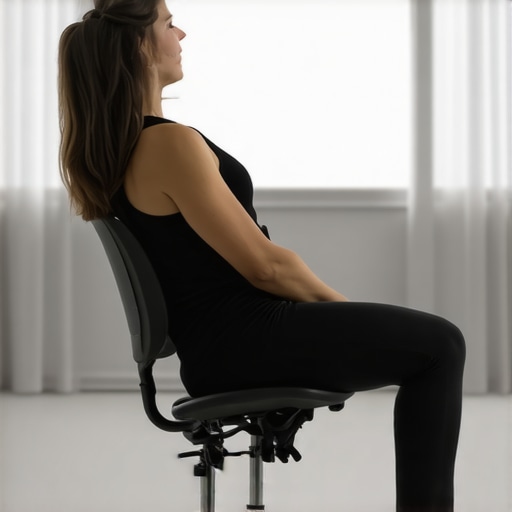
I remember the exact moment I realized my hips were protesting louder than I was willing to admit. It was after a long day at my desk, eyes glued to the screen, shoulders tense, and then—suddenly—a sharp, stabbing pain shot through my pelvis as I stood up. That uncomfortable click, that stifling tightness, made me realize I couldn’t ignore my hip health any longer. Chances are, you’ve felt that too—stiff hips, aching lower back, or that nagging discomfort sneaking in after hours of sitting. Well, I found a way to ease that woven-together pain, and I want to share it with you today.
The Struggle is Real, But Relief is Within Reach
Spending eight or more hours seated stretches your hip flexors into a tight knot that pulls your pelvis out of alignment. This can lead to discomfort not just in your hips but also in your lower back, knees, and even your neck. I used to think that stretching was enough—until I learned that my rigid hips were actually a sign of deeper muscular imbalances that needed quick, targeted attention. After some trial and error—and plenty of frustration—I discovered a simple but effective technique called the Quick Hip Flexor Release. It’s helped me, and countless others, regain mobility and reduce pain with just a few minutes a day.
Could a Simple Movement Really Make That Much Difference?
I was skeptical at first. Like many, I believed in killer stretches and hours of foam rolling as the holy grail. But I made the mistake early on of just stretching and hoping for the best, which only seemed to make things worse. That’s when I stumbled across a strategy focused on quick releases—precise, targeted movements that loosen up tight muscles fast. Implementing this method turned my afternoons around; I could move without wincing, and my back pain noticeably diminished. If you’re tired of that constant ache or feeling like your hips are glued shut, this post is for you. Ready to take control? Let’s dive into how you can do the Quick Hip Flexor Release yourself.
Start with Basic Hip Mobilization
Stand upright, feet shoulder-width apart. Engage your core to stabilize your pelvis. Gently sway your hips side to side, like a pendulum, allowing your pelvis to rotate naturally. This movement loosens tight muscles and primes your hips for deeper work. I remember initially wobbling awkwardly, feeling like a rusty gate swinging open—messy but effective.
Incorporate Targeted Hip Flexor Technique
Find Your Trigger Point
Use your fingertips to locate tender spots in your hip flexors, just below your waistband on the front of your hips. These are your tight spots that need releasing. Applying gentle pressure for 30 seconds can break down adhesions—think of it as peeling layers of an old sticker.
Perform the Quick Hip Flexor Release
Kneel on your right knee, left foot flat in front, forming a 90-degree angle. Lean forward slightly, engaging your core. Use your hands to shift your hips forward, stretching the front of your hip. Hold for a count of 10, then relax. Repeat three times per side. During my first attempt, I accidentally over-leaned, almost losing my balance, but I quickly learned that controlled, small movements yield better results.
Integrate Dynamic Stretches for Lasting Flexibility
After releasing muscles, move into controlled stretches. For example, lunge deep with your back knee on the ground, gently pushing your hips downward. Think of this as unlocking a door; each gentle push opens your hips a little more. Avoid bouncing—static holds are more effective for recovery.
Maintain Mobility with Daily Reinforcements
Consistency is key. Incorporate these movements into your daily routine, like a morning warm-up. Remember, just as brushing your teeth prevents cavities, daily attention prevents tight hips. Want further insights? Visit these expert mobility tips for sustained relief. If discomfort persists, seeking personalized guidance from professionals can accelerate your progress. You can contact a specialist at our contact page. Keeping your hips loose isn’t a one-time fix—it’s a daily commitment to better movement.Many people believe that perfect posture means holding an upright, rigid position at all times, but in reality, this is a oversimplification that can lead to unnecessary tension and discomfort. The truth is, optimal posture is dynamic, not static, and your body requires gentle adjustments rather than fixed alignments. For example, forcing your shoulders back constantly can cause muscle fatigue and even exacerbate pain, contrary to popular advice. Advanced practitioners recognize that subtle, controlled movements—like micro-adjustments during daily activities—are far more effective for long-term health than rigid posture corrections. Experts such as Dr. Stuart McGill emphasize that excessive focus on “standing tall” ignores the complex nature of spinal health and mobility. One common trap is misinterpretation: thinking that a slight deviation from textbook posture signifies misalignment. In fact, minor variations are natural and healthy, allowing movement and reducing strain. Overcorrecting can lead to compensatory habits—like hypertilting or overusing certain muscles—that worsen pain over time. Beware of quick fixes and always consider the broader context of your movement patterns and muscular balance. For instance, relying solely on spinal adjustments without addressing underlying muscular imbalances may provide temporary relief but fail in the long run. Integrate mobility training, strength conditioning, and mindful movement practices for comprehensive care. A holistic approach aligns with research indicating that functional, dynamic movement patterns prevent chronic issues more effectively than static postural corrections. Always remember, your body’s capacity to adapt is powerful—support it with nuanced understanding rather than rigid routines. For personalized guidance, consider consulting a professional who can evaluate your unique mobility and posture needs; you can reach out through our contact page. Keep in mind that true mastery of movement comes from understanding these subtleties, which can make a profound difference in how you feel daily. Have you ever fallen into this trap? Let me know in the comments.Maintaining good posture and mobility over time requires more than just awareness; it demands reliable tools and a mindful approach to regular adjustments. I personally rely on a combination of ergonomic equipment and targeted routines to ensure that my progress doesn’t plateau. One essential tool I swear by is the **AdjustYourRoutine.com Portable Posture Corrector**, which provides gentle reminders to sit correctly during long workdays. I find that integrating this device into my daily routine helps prevent slouching and reinforces good habits consistently.
In addition, I use a **Foam-roller with firm density** to perform myself-myofascial release exercises after intense days. The **TriggerPoint GRID Foam Roller** is durable and offers precise targeting of tight fascia in my back and hips, which helps me maintain mobility and reduce pain. These sessions only take a few minutes but yield long-term benefits in keeping my muscles pliable and my joints functioning smoothly.
For ongoing strength and flexibility, I incorporate **digital mobility coaching apps** like **Mobility Mastery**. This platform provides tailored exercises based on my specific needs, guided through visual demonstrations and progress tracking. I appreciate that these tools allow me to adapt my routines as my mobility improves or if I encounter new discomforts, emphasizing the importance of evolving with your body.
Looking ahead, I predict a surge in **smart wearable technology** designed for posture correction, such as sensor-infused apparel that provides real-time feedback. With advances in AI, future devices may even predict potential issues before they become painful, prompting proactive adjustments.
### How do I maintain posture and mobility over time?
Consistent practices are crucial. I schedule daily check-ins with my tools—whether it’s adjusting my ergonomic setup, performing targeted foam rolling, or following guided exercises on interactive apps. Regularly updating my routines based on progress and feedback ensures sustained results. Remember, even with the best tools, awareness and commitment are your best allies in preventing back pain and enhancing mobility. If you’re ready to take your mobility to the next level, I recommend trying out the **Deep Hip Flexor Release Technique** I detailed earlier, but with the added support of a reliable tool like a mobility ball or resistance band to deepen the stretch.
Lessons from the Front Lines of Hip and Posture Battles
One of the most glaring realizations I had was that genuine change only comes after acknowledging my flawed assumptions. I used to believe that stretching endlessly would solve my back pain, but the breakthrough came when I understood that muscular imbalances require targeted, consistent effort. Recognizing that my habits—like slouching at my desk or neglecting daily mobility—were the root causes was a profound lightbulb moment. It taught me that sustainable relief isn’t about quick fixes but about embracing a mindset of mindful movement and ongoing care.
Another lesson was the importance of listening to my body’s subtle signals—those tiny aches and tight spots weren’t nuisances but indicators. Ignoring them only worsened the situation. Through patience and responsiveness, I learned to differentiate between moments of discomfort that needed attention and innocuous stiffness. This awareness transformed my approach from reactive to proactive, ensuring I stayed ahead of pain before it became debilitating.
Lastly, I discovered that sharing my journey and insights created a ripple effect; what starts as personal improvement can inspire others. Connecting with a community or seeking expert guidance—like through professional support—can catapult your progress. Embracing these lessons has empowered me to maintain mobility, improve posture, and enjoy a pain-free life, and I hope they do the same for you.
Tools That Elevate Your Movement Game
My Must-Have Support System includes the Posture Correction Secrets, which offer foundational strategies for aligning your spine and hips effectively. I rely on the daily spinal alignment tips to embed healthy habits into my routine seamlessly. When it comes to deepening my flexibility, the Mobility Mastery exercises have become indispensable tools for releasing chronic tension. Additionally, integrating advanced mobility tips keeps my movement fluid and my back resilient. These resources, trusted for their effectiveness and practicality, are vital in supporting my ongoing journey toward optimal health and mobility.
Your Next Step Toward Freedom of Movement
Embracing the journey to better posture and mobility is a personal revolution—small daily actions compound into significant, lasting change. The choices you make today—whether incorporating targeted releases or mindful adjustments—lay the foundation for a pain-free tomorrow. Remember, your body is your most valuable asset; treat it with patience, curiosity, and consistent effort. If you’re ready to elevate your movement and banish discomfort, explore the techniques shared here and trust in your capacity to transform your health. Your future self will thank you for it.
What’s the first step you’re excited to try in mastering your mobility? Share below—I’d love to hear your plans or experiences.
**