
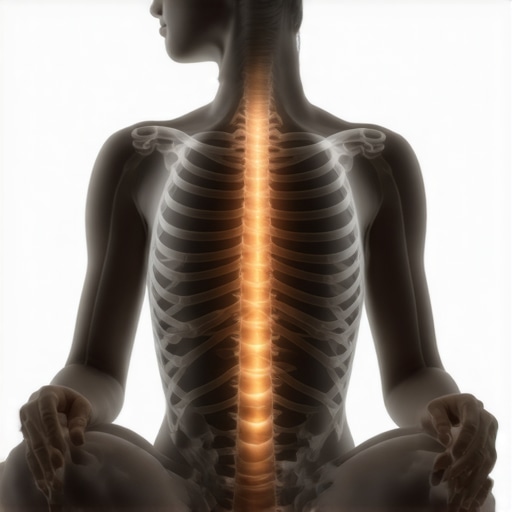
I remember the moment it hit me—there I was, mid-workday, trying to stretch out my aching lower back, only to realize I had been unknowingly holding my breath during long stretches at my desk. That lightbulb moment changed everything. Turns out, it’s not just about posture or stretching; sometimes, the key to easing lower back tension is as simple as changing how I breathe.
Unlocking Relief: How Ribs Can Be Your Back’s Best Friend
Most people focus on strengthening or stretching their back muscles without realizing a major player is often overlooked—our breathing pattern. When I started paying attention to how I was breathing, I noticed I’d tend to inhale shallowly, which can cause your rib cage to tighten and restrict movement. This restriction leads to increased strain on the lower back, creating a vicious cycle of discomfort.
By learning to breathe deeply through my ribs—allowing the breath to expand my chest and abdomen—I found that I could instantly reduce back tension. This isn’t just a personal tip; research shows that diaphragmatic or belly breathing activates the parasympathetic nervous system, which promotes relaxation and reduces muscle tension (Harvard Health Publishing, 2020).
If you’ve ever experienced that dull ache after a long day of sitting or felt your lower back tighten up without any apparent reason, you’re not alone. The beauty of this approach is that it’s accessible, natural, and can be done anytime, anywhere. In fact, integrating breathing exercises into your daily routine can be as simple as taking a few deep, deliberate breaths when you notice tension creeping in.
Could Your Breath Be Sabotaging Your Back Comfort?
Back in my early days of exploring mobility solutions, I made the mistake of overlooking my breathing. I believed stretches and adjustments alone would suffice. It wasn’t until I realized I was holding my breath during those stretches that I saw real progress. If you’re skeptical, ask yourself: Do I breathe fully when I move, or do I default to shallow chest breaths? Small habits like these can significantly impact your back health over time.
So, are you ready to take a simple step towards relief? Just imagine how different your day might feel if your body receives more oxygen and your ribs move freely—reducing the tension that’s been lingering unnoticed. For practical tips on making these breathing adjustments a part of your routine, check out our daily back relief routines.
Get Comfortable with Rib Breathing Techniques
Start by sitting or lying down in a relaxed position. Place one hand on your chest and the other on your abdomen. Inhale deeply through your nose, aiming to expand your belly and ribs withouticing your chest. Think of filling a balloon in your stomach first, then your chest. This activates your diaphragm, the primary muscle for deep breathing, enabling your ribs to move freely. I once spent five minutes focusing solely on this during a stressful afternoon, and I immediately felt the tension in my lower back soften. To make this habitual, dedicate a few minutes daily to practice.
Use the 4-7-8 Breathing Pattern
This technique involves inhaling for four seconds, holding the breath for seven seconds, and exhaling slowly for eight seconds. It helps regulate your nervous system, reducing muscle tightness. During a particularly tense day, I used this method before a meeting, and noticing my ribs expanding steadily gave me a sense of control. Practice this pattern multiple times until it feels natural, especially when you notice back discomfort starting.
Integrate Breath-Synchronized Movements
Coordinate your breaths with gentle movements. For example, inhale while lifting your arms overhead, and exhale while lowering them. Similarly, when doing spinal rotations, inhale to lengthen, and exhale as you deepen the twist. This synchronization enhances mobility and reduces strain. I experimented with this during a session of gentle yoga, and aligning each movement with breath created a calming effect on my lower back. Regularly incorporating breath-timed exercises can serve as proactive relief.
Implement Micro-Breathing Checks
Throughout your day, pause briefly to check your breathing. Are you inhaling shallowly or fully through your ribs? If you notice chest-only breathing, consciously shift to diaphragmatic breathing. I started setting reminders on my phone to take a deep rib breath every hour, which kept my rib cage mobile and prevented tightness buildup. These micro-checks prevent tension from accumulating unnoticed and keep your back muscles relaxed.
Apply Gentle Self-Massage with Breath Focus
While seated or lying comfortably, use your fingers to gently knead around your lower ribs and abdominal area. As you do, take slow, deep breaths to facilitate relaxation. Connecting breath with touch helps release subtle tension. Once, I used this technique after a long day, and noticing my ribs expand with each inhale made the massage feel more effective. Consistent practice helps your body learn to release stored tension through mindful breathing and gentle manipulation.
Upgrade Your Routine by Connecting with Experts
For personalized guidance, consider consulting resources like daily back relief routines that incorporate breathing exercises. Integrating expert tips ensures your efforts are aligned with scientific insights, accelerating your progress toward lower back comfort. Remember, the goal is to create bridging habits that make breathing an automatic tool for tension management in everyday life.
Many believe that correcting posture is simply about standing up straight or adjusting your chair height. However, this surface-level approach often leads us astray. The real nuance lies in understanding that posture isn’t static—it’s a dynamic dance between muscle balance, spinal alignment, and neural feedback. For instance, focusing solely on Maintaining your back health over time requires the right tools and techniques that seamlessly integrate into daily routines. One of my personal favorites is the use of ergonomic assessments complemented by innovative equipment. For instance, investing in an adjustable standing desk allows me to switch positions throughout the day, significantly reducing static strain. I personally prefer desks that easily transition from sitting to standing, such as the Fully Jarvis desk, which is highly customizable and encourages active posture shifts — a proven strategy to prevent stiffness and discomfort. Additionally, using monitor arms like the Ergotron LX reduces neck strain by positioning screens at eye level, keeping your spine aligned. These tools are not only about comfort but also about long-term sustainability; they help me avoid the common pitfalls of poor posture during extended work hours. Leveraging wearable technology, like the Upright GO posture trainer, offers real-time feedback on my posture, training me to maintain better spinal alignment consciously. In the future, I predict an increasing integration of smart sensors with AI coaching, providing personalized posture correction in real time, making maintenance even more effortless. So, how do I keep my back healthy for years? It’s about combining ergonomic equipment, smart tech, and mindful habits. To deepen your understanding, explore our daily back relief routines that emphasize long-term alignment. For a more advanced approach, try the following: incorporate a foam roller with a textured surface, like the Grid Foam Roller 2.0, to release myofascial tension, especially around the thoracic spine. Regular use not only alleviates immediate discomfort but also enhances tissue mobility, making adjustments more effective. Keep in mind, maintaining a proactive approach is key — your tools should work in harmony with your habits. Invest in these resources, and you’ll set the foundation for a resilient spine that supports your active lifestyle.
In my ongoing exploration of back pain solutions, I stumbled upon a revelation that transformed my approach—something as simple as paying attention to my breathing patterns. This lightbulb moment underscored a profound lesson: our breath is a powerful, yet often overlooked, tool in maintaining lower back health.
Lessons That Turned My Back Pain Around
- The Shallow Breath Trap: I used to think that stretching and posture adjustments were enough, but I realized I was unknowingly holding my breath during stretches, which limited their effectiveness.
- Breathing as a Reset Button: Deep rib breaths helped me reset my tension levels instantly. Embracing diaphragmatic breathing became my go-to whenever discomfort arose.
- The Mind-Body Connection: Synchronizing my breath with gentle movements enhanced my mobility and reduced strain, making everyday activities less painful.
- Micro-Breathing Checks: Simple hourly reminders to breathe fully through my ribs prevented tension buildup and kept my back muscles relaxed throughout the day.
- Expert Guidance Matters: Incorporating professionally designed routines, like those found in daily back relief routines, accelerated my progress and grounded my practices in science.
Tools That Elevate Your Back Care Game
- Ergonomic Workstations: An adjustable standing desk and monitor arms like the Ergotron LX ensure my spine stays aligned during long work hours.
- Smart Posture Devices: Wearables like the Upright GO offer real-time feedback, turning posture correction into a seamless habit.
- Myofascial Release Tools: The Grid Foam Roller 2.0 helps release tension around my thoracic spine, enhancing tissue mobility and comfort.
- Educational Resources: Books and online guides have deepened my understanding, empowering me to make informed adjustments.
Your Next Step Toward Back Resilience
Embracing mindful breathing alongside ergonomic upgrades can lead to a more resilient and pain-free back. The combination of conscious strategies and quality tools transforms not just your back health but your overall well-being. I encourage you to experiment with your breath, integrate ergonomic essentials, and explore expert routines to build lasting relief. Remember, small but consistent changes can produce extraordinary results—so start today and reclaim your back’s vitality.
What’s one breathing habit you’ve noticed affecting your back comfort? Share your experiences below, and let’s learn together!
,