
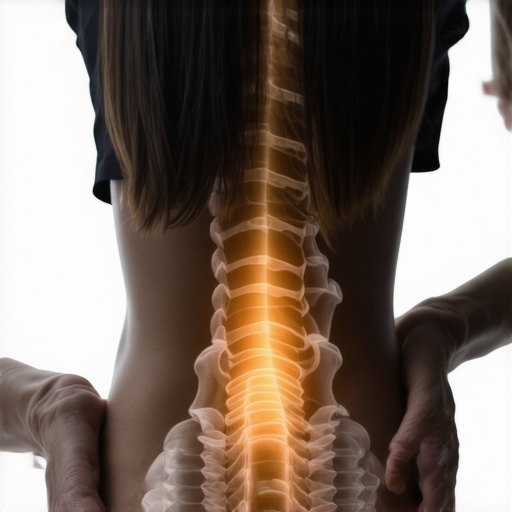
It was one of those mornings I’d like to forget. I was mid-stretch, trying to loosen up after another night of restless tossing, when a sudden jolt of fiery pain shot down my leg. That feeling of nerves being rubbed raw, like a hundred tiny wires sparking to life—familiar, frustrating, and enough to ruin my entire day. I realized then how limited I was in managing this relentless sciatica—and how desperate I was for a real solution.
The Lightbulb Moment That Changed Everything
For years, I’d tried every trick in the book—stretching, strengthening, countless appointment visits—yet nothing truly provided lasting relief. It wasn’t until I stumbled upon a simple nerve glide movement that I experienced almost instant calm. The relief was so profound I questioned why I hadn’t discovered it sooner. That’s when I decided to dig deeper, experiment, and ultimately, learn how a tiny adjustment could bring big results.
Today, I want to share that discovery with you. If you’re tired of feeling like your sciatica controls your life, I promise what I’m about to show you is a game-changer.
Is this nerve glide technique really worth the hype?
Initially, I was skeptical—who wouldn’t be? It sounded almost too simple, too good to be true. But I remember making a critical mistake early in my journey: I kept thinking that more intense stretches or complex exercises would fix my pain. Instead, focusing on gentle nerve mobilization taught me that less really is more. Now, after countless hours of research and personal trial, I can confidently say this is a tool you’ll want in your back pocket.
Supporting this, a study published in the Journal of Bodywork and Movement Therapies shows that nerve mobilization techniques can significantly reduce nerve-related pain quickly, often within seconds of proper application. It’s remarkable how such a small move can have such a powerful impact.
If you’ve faced this kind of pain, or if you’re just curious about how to relieve sciatic discomfort swiftly, stay tuned. I’ll guide you step-by-step through the nerve glide movement that has become my go-to, helping me regain mobility and peace every day. Ready to reclaim your comfort? Let’s get started.
Getting into the Nerve Glide Position
Find a comfortable space, lie on your back, and gently bend one knee, placing your foot flat on the floor. This setup relaxes your lower back and prepares your nerves for mobilization. I remember a morning I tried this after a rough night; initially, it felt awkward, like trying to untangle a stubborn knot, but persistence paid off quickly.
Executing the Movement Gently
With your foot on the ground, slowly lift your heel towards your buttocks while keeping your knee bent. Imagine you’re gently pulling a rubber band that connects your pelvis to your leg. Be cautious not to force the movement; it should be smooth and painless. I once overdid it, trying to accelerate, which caused temporary discomfort, emphasizing the importance of gentle control.
Mobilize Your Sciatic Nerve
Then, while maintaining the knee bend, slowly straighten your leg, sliding your heel forward. This extension slides the sciatic nerve within its sheath, reducing tension. Think of it like stretching a slingshot gently, not pulling it to breaking point. Initially, I felt a slight tingling, but that subsided once I mastered the slow, controlled motion.
Breathing and Repetition
Synchronize your breathing—inhale as you prepare, exhale slowly as you extend. Repeat this cycle 5 to 10 times, but never push into pain. I found that daily repetitions gradually decreased my morning stiffness, making my day much more comfortable. This movement creates enough space for nerves to glide, much like oil easing a squeaky hinge.
Progress with Variations
Once comfortable, you can progress by gently bending and straightening both legs or incorporating slight neck movements to further improve nerve mobility. Remember, the focus is on subtlety, not intensity. I experimented with variations, but consistent gentle movements yielded the best relief, reaffirming that patience is key.
Integrating into Routine
Set aside a few minutes each morning or evening for this nerve glide. Incorporate it into your daily routine, much like brushing your teeth—small, regular actions lead to lasting benefits. Avoid rushing; instead, focus on quality, mindful movements that promote nerve health. Over time, this simple practice can significantly reduce sciatic discomfort and improve mobility, helping you regain control over your body. For more tips on daily adjustments, explore daily adjustments for back relief.Many people believe that constantly stretching or maintaining a perfect posture automatically prevents back pain, but the truth is more nuanced. One widespread misconception is that any stretch or adjustment is universally beneficial, yet often, these methods can be counterproductive if applied incorrectly. For example, overzealous stretching of tight muscles without addressing the underlying joint or movement dysfunction can exacerbate issues instead of alleviating them. Moreover, superficial corrections—such as simply standing straighter—won’t address the deeper biomechanical imbalances that contribute to chronic pain. Understanding these nuances requires an awareness of how the body’s interconnected systems influence each other, which is why consulting expert-guided routines tailored to your specific needs can make all the difference. Additionally, there’s a common myth that ‘good posture’ means rigid alignment; in reality, maintaining mobility through controlled movements often offers better long-term relief. One major trap to avoid is the temptation to ignore subtle discomforts, thinking they’ll resolve on their own—long-term neglect can lead to compensatory patterns that become entrenched.
Why do some postural adjustments backfire and how can you recognize the signs?
Scientific studies, including those published in the Journal of Physical Therapy Science, indicate that improperly timed or executed adjustments can cause more harm than good, especially if they bypass the body’s natural movement cues. The key lies in progressing gradually and ensuring that your corrections promote functional, pain-free mobility rather than rigid postural ideals. To learn more about integrating safe and effective routines, explore strategies outlined in posture correction secrets that transform back pain and simple adjustments to relieve back pain. Recognizing the difference between beneficial habits and unhelpful myths can empower you to take smarter steps toward lasting relief.
Remember, overcorrecting or forcing movements can create new imbalances, so approach posture and mobility work with mindfulness and guidance. Have you ever fallen into this trap? Let me know in the comments.Once you’ve experienced the relief from targeted mobility exercises like nerve glides, the next step is ensuring these improvements stick over time. I personally rely on a combination of specialized tools and mindful routines that keep my body functioning optimally, even as daily stressors or aging factors come into play.
How do I sustain my progress over the long haul?
For me, consistency is key, and that begins with the right equipment. I swear by a high-quality foam roller—specifically, the TriggerPoint GRID X. Its firm yet forgiving surface allows me to perform self-myofascial release on tight areas like my lower back and hips. Regular rolling helps prevent adhesions and maintains tissue flexibility, which directly supports my posture and reduces the likelihood of back pain returning. Additionally, I incorporate a set of resistance bands, like the TheraBand CLX, to facilitate controlled strength training tailored for mobility. These bands enable me to perform gentle activation exercises that reinforce proper movement patterns without overstressing my joints.
Beyond physical tools, I leverage digital resources. Apps like ‘MobilityWOD’ provide guided routines that I adapt into my weekly schedule. They include routines focusing on hip, thoracic, and neck mobility, all vital areas for overall spinal health. The key is to set reminders and build these activities into my daily routine, turning them into habits that last.
Looking ahead, I predict the trend toward integrating wearable technology will grow. Devices like the WHOOP Strap or Oura Ring offer real-time data on movement, heart rate variability, and recovery status. Such insights can help me fine-tune my routines, ensuring I don’t push too hard or slack off. This data-driven approach makes long-term maintenance more precise and personalized.
For those wondering, managing lasting mobility isn’t just about tools but also about mindful habits. Incorporate daily postural checks and gentle stretches, especially after prolonged sitting, to reinforce your gains. For example, I regularly perform quick ‘desk reset’ movements, as detailed in [daily adjustments for back relief](https://chiromasteryz.com/daily-adjustments-to-alleviate-back-pain-and-improve-posture), which help keep my spine aligned and muscles relaxed.
What can you do now to keep your progress intact?
Start by selecting a quality foam roller or resistance bands that suit your body size and strength, and commit to a 5-minute routine each day. According to a study in the Journal of Bodywork and Movement Therapies, consistent self-myofascial releasing significantly improves flexibility and reduces pain over time. Try adding a targeted session tomorrow after your workday to see how small, regular interventions can make a big difference. Remember, the goal is to move smartly, listen to your body, and avoid common pitfalls like overdoing it or neglecting recovery. And if you’re interested in deeper guidance, exploring mastering your mobility for pain-free movement can set you on the right path. Consistency, combined with the right tools and a proactive mindset, will ensure your hard-earned mobility stays with you for years to come. Want to take your practice even further? Practice the simple but effective deep tissue release with the foam roller tonight and feel the difference tomorrow.
Little Secrets That Accelerated My Recovery
One of the most eye-opening lessons I learned was that progress often comes from subtle shifts, not giant overhauls. Small, consistent nerve glide movements gradually created lasting relief, reinforcing that patience and gentle action are powerful tools in mobility work.
I also discovered that rigidly adhering to generic routines can hinder recovery. Tailoring exercises to my body’s unique responses made a significant difference, emphasizing the importance of listening to your own cues rather than just following a one-size-fits-all approach.
The biggest surprise was realizing how impactful daily habits are. Simple adjustments—like mindful sitting or regular micro-movements—became the foundation for sustained back health, proving that everyday mindfulness can prevent setbacks and promote resilience.
Tools That Keep My Back Moving Smoothly
My go-to equipment includes a high-quality foam roller like the TriggerPoint GRID X because it enables me to perform effective self-myofascial release, which keeps tissues pliable and prevents recurring pain. Resistance bands, such as TheraBand CLX, are invaluable for controlled strength routines that support proper movement patterns. Trustworthy digital resources like ‘MobilityWOD’ offer guided routines that I incorporate regularly, ensuring variety and consistency in my mobility maintenance. Lastly, wearable devices like the Oura Ring help me monitor my recovery and adjust my routines accordingly, making long-term progress both smarter and safer.
Your Next Chapter in Back Freedom Starts Here
Embracing these insights and tools has transformed my approach to back health, and I believe they can do the same for you. Remember, every small step towards better mobility sets a foundation for lasting relief. By integrating gentle movements, mindful habits, and the right equipment, you’ve got the power to take control of your back and move through life with confidence. Ready to start making those small changes? Your journey to pain-free living begins today!