
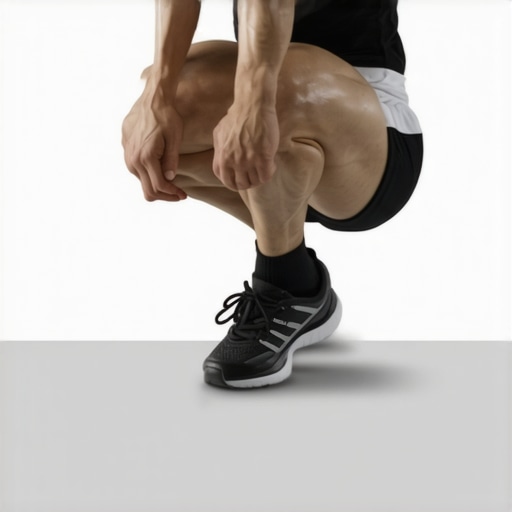
I remember the first time I tried to squat deeply in the gym and felt that frustrating wobble — my feet turned out more than I thought they should, and I struggled to keep my knees aligned. It was a lightbulb moment for me. Why was this happening? Was I doing something wrong, or was my body simply betraying me?
As someone passionate about mobility and proper movement patterns, I quickly realized that this issue isn’t just about aesthetics or technique — it can impact your knee health, lower back, and overall strength. If you’ve ever faced similar struggles, you’re not alone. Many people unknowingly accept foot turnout during squats as normal, but it might be a sign of underlying issues that need addressing.
Today, we’re going to uncover the *real* reason your feet turn out when you squat. More importantly, I’ll share practical insights based on experience and evidence, so you can start fixing this problem from the ground up. Whether you’re a seasoned lifter or just getting started, understanding this simple connection can make a world of difference.
Understanding the Root Cause of Foot Turnout During Squats
One common mistake I made early on was neglecting to examine my hip mobility. Turns out, tightness or restrictions in the internal rotation of your hips often lead to compensations elsewhere — notably, turning your feet outward to find stability. This isn’t just a habit or a bad technique; it’s your body’s way of trying to work around limited range.
Research supports this idea. A study published in the Journal of Orthopaedic & Sports Physical Therapy explains that limited hip internal rotation can cause altered movement patterns, increasing stress on your knees and lower back. Instead of forcing your squat into a shape your body resists, addressing these mobility limitations can lead to more natural, pain-free movement.
In my experience, focusing solely on the squat form without considering joint mobility is like building a house on shaky foundations. You might fix superficial issues, but the underlying problems remain. To truly transform your squat and prevent unwanted foot turnout, we need to dive into specific mobility strategies that unlock your hips and realign your movement.
Target Hip Internal Rotation with Dynamic Warm-Ups
Start your mobility routine with high-repetition leg swings, focusing on inward mobility. Stand next to a wall or sturdy support, swing one leg forward and across your body, aiming to bring your knee toward the opposite shoulder. Repeat for 10-15 reps per leg. This move gradually increases blood flow and prepares your hips for deeper internal rotation, reducing the tendency for your feet to turn out excessively.
Incorporate Deep Hip Flexor Stretching
Tight hip flexors can tilt your pelvis forward, limiting hip mobility. Perform kneeling hip flexor stretches by kneeling on one knee, with the other foot planted in front, forming a 90-degree angle. Push your hips forward gently, feeling a stretch in the front of your hip. Hold for 30 seconds, switch sides, and repeat. Improving hip flexor flexibility allows the pelvis to align better during squats, decreasing compensations like foot turnout.
Utilize Foam Rolling for Myofascial Release
Use a foam roller to loosen tight spots in your glutes, quadriceps, and inner thigh muscles. Focus on tender areas, rolling slowly until you find significant knots. This process breaks down adhesions that restrict movement and can cause your hips to compensate. Regular foam rolling promotes smoother mobility and helps maintain proper alignment during lifts.
Practice Controlled Hip Internal Rotation Exercises
Sit on the floor with your legs extended, cross one ankle over the opposite knee. Gently press the crossed knee downward with your hand, feeling a stretch in your hip rotators. Hold for 20 seconds, then rotate your hip inward by pressing the knee further down and holding. Repeat 3 times per side. These exercises directly enhance internal rotation capacity, making squat foot position more natural and less forced.
Progressively Add Movement Drills to Your Routine
Stop doing static stretches alone. Incorporate movement-based drills like hip circles or the “clamshell” exercise with resistance bands. Clamshells involve lying on your side with knees bent, lifting the top knee while keeping feet together. This strengthens hip abductors and stabilizers, allowing better control over hip rotation during squats. In my experience, consistent practice here significantly reduces foot turnout issues.
Apply These Fixes During Your Squat Practice
Once you’ve incorporated mobility exercises into your warm-up, perform bodyweight squats focusing on proper alignment. Cue yourself to keep the knees tracking over the toes, not caving inward or caving outward. Use a mirror or record your form if needed. This conscious attention reinforces correct movement patterns, helping your hips and feet move synergistically. Over time, these adjustments become ingrained, leading to smoother, more efficient squats.
Many enthusiasts and practitioners believe that stretching longer or more frequently will unlock their mobility barriers, but in reality, this approach often misses the mark. A common misconception is that all tightness or stiffness is due to simply lacking flexibility, leading many to overemphasize static stretches. However, research by Lee et al. (2015) highlights that functional movement constraints are frequently rooted in neuromuscular control deficits or altered movement patterns rather than just muscle tightness alone. This means that focusing solely on stretching without addressing underlying motor control issues can be ineffective or even counterproductive.
One trap to watch out for is the myth that pain or discomfort during mobility work indicates progress. In contrast, pain often signals that you’re pushing beyond safe limits, possibly aggravating inflammation or causing compensatory movements that reinforce poor posture and pain cycles. For example, aggressive stretching of the hamstrings when they are already inflamed or hypertonic can trigger a protective neural response, leading to further tightening and discomfort. Instead, adopting a nuanced approach that incorporates gentle, controlled movements combined with activation exercises fosters better motor patterns and sustainable improvements.
Another underrated nuance involves the role of habitual postural habits outside your mobility sessions. Poor sitting, standing, or sleeping positions can create entrenched patterns that reinforce faulty movement and postural compensation, making mobility gains more elusive. Addressing these habitual influences is crucial; it’s not just about what you do in the gym or clinic but also how you move throughout your day. Regularly reviewing and adjusting your daily routines, such as reducing prolonged static postures or optimizing your workspace ergonomics, complements mobility work and promotes long-term change.
What about the back pain many assume is solely due to muscle tightness or disc issues? Let’s challenge that idea. Often, back discomfort is a manifestation of subtle motor control errors, joint misalignments, or compensatory strategies developed over years. Merely incorporating more stretches or strengthening exercises without considering the importance of spinal alignment and neuromuscular coordination can lead to frustration. For an advanced approach, consider exploring [posture correction secrets](https://chiromasteryz.com/posture-correction-secrets-that-transform-back-pain-outcomes) that target foundational alignment rather than just symptoms.
Thanks to insights from experts like Dr. Stuart McGill, we learn that effective back health isn’t just about laxity or stiffness but optimizing the stability-flexibility balance and improving the quality of movement. This nuanced understanding can help prevent common pitfalls and optimize your efforts.
Remember, mobility isn’t just about increasing range but enhancing control and coordination—fundamental factors that often get overlooked. By addressing the neural, muscular, and habitual nuances, you set yourself up for durable progress and fewer setbacks. Have you ever fallen into this trap? Let me know in the comments, and don’t forget to check out [how a single rib out of place can mimic heart palpitations](https://chiromasteryz.com/how-a-single-rib-out-of-place-can-mimic-heart-palpitations) for deeper insights into subtle postural influences.Maintaining your mobility and posture over the long term requires more than occasional stretches; it demands intentionality, the right tools, and consistent habits. I personally rely on a combination of targeted equipment and disciplined routines to keep my movement quality at its best. One of my favorite tools is a high-density foam roller, which I use daily to release tight muscles like the quadriceps and hip flexors. This isn’t just for beginners; advanced practitioners like myself incorporate foam rolling into a pre-session warm-up to optimize joint function and prevent injuries, especially as we age. Regular use of a massage ball for trigger point therapy is another underrated method that I find invaluable for addressing stubborn knots that static stretching can’t resolve. The pressure point from the ball penetrates deep tissues, promoting blood flow and restoring tissue mobility.
In addition, I incorporate resistance bands into my mobility drills, particularly for hip and shoulder stability exercises. Bands provide a controllable resistance that helps reinforce proper movement patterns—crucial for long-term health. For instance, during hip internal rotation exercises, resistance bands help retrain neuromuscular pathways to improve natural alignment, reducing compensations like foot turnout that can stress knees and lower back.
Software-wise, I use mobility tracking apps that monitor my exercise consistency and progress. These tools help identify stagnation points and keep me accountable. As technology advances, I predict that smart movement sensors integrated into wearables will become a standard for personalized mobility coaching. These devices analyze your movement patterns in real-time, offering immediate feedback and tailored recommendations.
So, how do I ensure these improvements stick over years of daily life? The secret lies in combining proactive maintenance with mindful adjustments to your routine. Regularly revisiting foundational alignment exercises—like the ones detailed in our cornerstone post on [posture correction](https://chiromasteryz.com/posture-correction-secrets-that-transform-back-pain-outcomes)—reinforces healthy habits. Moreover, setting aside 10-minute mobility sessions during your day can prevent small issues from becoming chronic problems. These short routines, focusing on areas like hip rotation and spinal mobility, are easy to integrate and highly effective.
Looking ahead, I envision a future where biomechanical data and machine learning algorithms work together to customize every individual’s mobility plan. This personalized approach could identify hidden restrictions before they manifest as pain, similar to how [Dr. Stuart McGill](https://chiromasteryz.com/unlock-better-back-health-effective-posture-tips-for-2025) advocates for understanding unique spinal mechanics.
**What tools do you find most effective in sustaining your movement health?** I recommend trying a targeted foam rolling protocol combined with resistance band drills—it’s a powerful duo that addresses both muscle tension and motor control. Start today and make a commitment to your long-term health. Remember, consistency is key in
Throughout my journey with mobility and proper movement, I’ve discovered that many common squat issues stem from overlooked nuances in hip control. One lightbulb moment came when I realized that addressing internal hip rotation not only improves squat form but also enhances overall joint health and functionality. This lesson taught me the value of patience and targeted mobility work, instead of quick fixes or superficial stretches.
After years of experimenting, I found that consistent activation of hip stabilizers, combined with dynamic control exercises, profoundly transformed my movement patterns. It became clear that true progress depends on understanding the interconnectedness of our joints and neuromuscular pathways. Instead of simply stretching, I now focus on strengthening and retraining my movement habits to maintain a healthier, more natural squat.
My personal tip? Incorporate movement-based drills like controlled hip internal rotations and resistance band exercises into your routine regularly. These solidify improved mobility gains and reduce compensations like foot turnout, which often goes unnoticed but can cause long-term discomfort. Remember, sustainable change is about integrating mindful habits into daily life and respecting your body’s signals. The more you tune into this, the more confident you’ll become in every movement, lifting, or daily activity.