
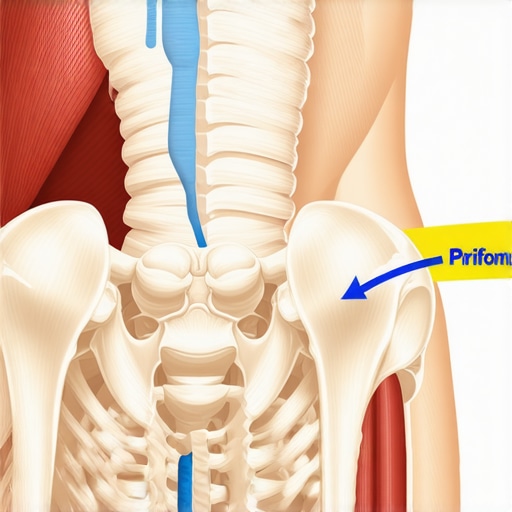
It was a typical morning when I suddenly felt that sharp, shooting pain radiating down my leg, catching me completely off guard. I had been managing back discomfort for years, but that specific dull ache turning into a jolt of nerve pain made me realize I needed to dig deeper. For the first time, I genuinely questioned: Is this sciatic pain actually coming from my piriformis muscle rather than my spine? That moment changed my perspective—and perhaps it can do the same for you.
Decoding Sciatica: More Than Just Spinal Nerves
If you’ve ever experienced that fiery, tingling sensation shooting down your leg, you’re not alone. Sciatica is often misunderstood, and many assume it’s always linked directly to herniated discs or spinal issues. But in my experience—and in numerous cases I’ve seen as a practitioner—sometimes the problem originates elsewhere. The piriformis muscle, located deep in the buttock, can irritate the sciatic nerve when it becomes tight or spasmed. Recognizing this subtle distinction can be a game-changer in your relief journey.
One common mistake I made early on was focusing solely on spinal adjustments, overlooking the importance of muscular health in the gluteal region. According to research, approximately 15% of sciatic nerve irritations are caused by piriformis syndrome, which is often treatable with targeted therapies rather than invasive procedures. Understanding this difference helped me tailor my approach and avoid unnecessary treatments.
Have You Faced This Specific Dilemma?
If you’ve ever wondered whether your sciatica might be linked to muscle tightness or nerve compression outside your spine, you’re not alone. Many struggle with persistent pain that seems to come and go without clear explanation. Recognizing the signs of piriformis involvement can be the first step toward effective relief. Curious about how to identify these symptoms? Stay tuned, because we’ll explore simple ways to tell if your sciatica originates from your piriformis muscle, and what actionable steps you can take today to feel better.
Set the Stage for Relief with Proper Posture
Start by assessing your daily posture habits. Think of your spine and hips as a tensioned rope—if it’s constantly pulled out of alignment, pain becomes inevitable. To correct this, incorporate daily *adjustments to alleviate back pain and improve posture*, ensuring your hips are in a neutral position when sitting or standing. I remember a day I caught myself slouching at my desk, which worsened my sciatic pain. I paused, straightened my back, and consciously adjusted my hips, which immediately lessened the discomfort. For ongoing relief, explore simple spinal realignment exercises here.
Activate and Strengthen Your Glutes
Your glutes are the natural shock absorbers for your pelvis and lower back. Weak or inactive glutes leave your piriformis muscle overcompensating, leading to irritation. To counter this, engage in targeted activation exercises. Think of your glutes as the foundation of a house—without a solid base, everything else becomes unstable. I once added a series of glute bridges into my routine, focusing on squeezing the muscles at the top. Initially, I felt awkward, but within days, I noticed a decrease in sciatic symptoms. Consistency is key; perform these daily to build strength. Want quick do-it-at-your-desk movements? Try this.
Stretch the Piriformis with Precision
Muscle tightness often amplifies sciatic pain. To release tension, try specific stretches targeting the piriformis. Imagine planting a flag on your hip—this stretch aims to loosen it. Lie on your back, cross one leg over the other at the ankle, then gently pull the uncrossed leg toward your chest. Ensure you feel a stretch in your buttock. A past client of mine described this as the moment Many people believe that chiropractic adjustments are a quick fix for back pain, but in reality, there’s a nuanced dance of factors involved. One widespread misconception is that a single adjustment can solve persistent issues; however, evidence suggests that consistent, integrated routines are more effective, as detailed in studies published in the Journal of Manipulative and Physiological Therapeutics. Another myth is that poor posture alone causes chronic back pain; in fact, minor misalignments can be symptomatic of underlying muscular imbalances that require targeted therapy rather than isolated adjustments. Relying solely on adjustments without addressing these nuances may lead to temporary relief but not long-term recovery.
Beware of the trap of over-reliance on passive treatments like adjustments while neglecting active strategies. For instance, failing to activate and strengthen critical muscles such as the glutes can perpetuate issues, as I’ve seen in many cases. Incorporating daily mobility and strengthening routines, like those found here, is essential for sustainable health.
Another advanced error involves misinterpreting posture corrections. Many think that perfect alignment means stiffly holding a certain position all day. Instead, effective posture involves dynamic adjustments and awareness, which reduce stress and improve resilience. You can learn more about maintaining optimal posture here.
From my years of clinical experience, I emphasize the importance of personalized approaches that combine adjustments, active exercises, and behavioral modifications. Skipping this comprehensive process risks superficial fixes and recurrent pain. If you’re unsure where to start, consider a consultation with a specialist to craft an individualized plan—here’s how to reach me. Remember, true progress comes from understanding and addressing the subtle, often overlooked nuances of posture, muscular health, and movement quality.
Why do so many get caught in these myths? Because simplicity sells, and the complexity of human biomechanics is often underestimated. However, recognizing these advanced nuances can make all the difference. So, ask yourself: Are you focusing solely on adjustments while ignoring the bigger picture? Let me know in the comments!Maintaining optimal back health isn’t a one-time fix; it requires consistent effort and the right tools. Personally, I rely heavily on specific equipment and methods to keep my routine effective and sustainable. One of my favorite tools is a high-quality foam roller. Unlike generic massagers, I use a dense, firm roller that allows me to perform my own myofascial release, especially targeting tight areas like the piriformis or lumbar muscles. Regular rolling helps prevent muscle adhesions and maintains mobility, which is vital for long-term relief. For example, I incorporate a daily self-myofascial routine using the foam roller detailed here, ensuring I stay ahead of pain before it starts.
Another essential tool is a lumbar support cushion designed specifically for ergonomic chairs. I choose a contoured cushion that encourages proper lumbar lordosis, which I personally found to significantly improve my posture during long desk hours. This simple addition aligns my pelvis properly, reducing undue stress on my lower back over time. As research indicates, such ergonomic modifications, when used consistently, can reduce the incidence of pain and prevent deterioration—a strategy I recommend integrating into daily routines.
In terms of software, I use a combination of biomechanical tracking apps and reminders. Apps like ‘PostureReminder’ help me maintain awareness of my position throughout the day, prompting me to adjust or correct my posture regularly. Tracking progress and patterns can reveal what tweaks are most effective, helping you adapt for sustained improvements.
Looking ahead, I predict integrating wearable biofeedback devices will become more common. These devices can alert you when you’re deviating from optimal posture in real time, making proactive adjustments seamless. Expect to see more intelligent support systems that learn your habits and suggest tailored adjustments—a future where maintaining back health is more intuitive and less burdensome.
### How do I keep my back healthy over the years?
The secret lies in consistent, small adjustments supported by effective tools. Regular use of a foam roller, ergonomic accessories, and posture-tracking apps form the backbone of my maintenance routine. Incorporate these into your daily practices, and you’ll find that minor tweaks lead to monumental gains over time. For instance, I challenge you to try a 5-minute self-myofascial release today with your favorite foam roller. Pay attention to how that influences your day-to-day comfort. Remember, longevity in back health hinges on your proactive efforts—so choose the right tools and use them consistently. Want personalized guidance? You can connect with a specialist that understands your unique needs here.
The Hardest Lesson I Learned About Adjustments, Posture, and Mobility
One of the most impactful insights I gained was realizing that quick fixes rarely lead to sustainable relief. Early in my journey, I believed that a single chiropractic adjustment or a quick stretch could solve complex back issues. It took personal setbacks and repeated setbacks to understand that consistent, integrated routines—or as I now call them, daily habits—are essential for long-term health.
Another lightbulb moment was recognizing how muscular imbalances, especially in the glutes and piriformis, often sabotage efforts to heal. Addressing root causes instead of just symptoms transformed my approach and helped me appreciate the importance of targeted activation exercises. Relying solely on passive treatments like adjustments without reinforcing the musculature can lead to temporary relief but not lasting results.
Finally, I discovered that our daily habits—posture during work, movement patterns, even how we sit—play a pivotal role in preventing or aggravating back pain. Small, mindful adjustments—like proper siting support or regular movement—compound over time, creating big improvements. Dive into strategies like this to start empowering your own back health today.