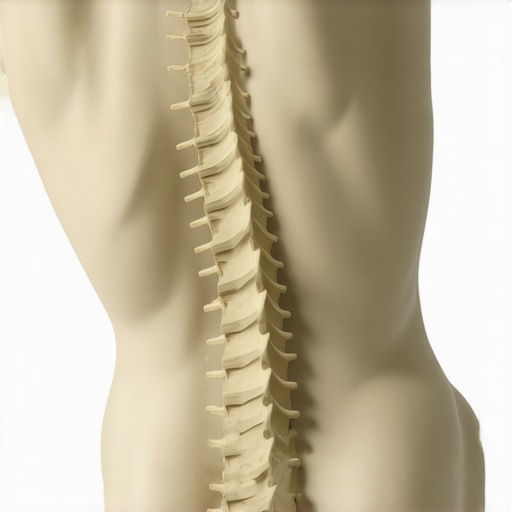
It was a usual morning, until I reached for my coffee mug and felt that sharp, familiar jab in my lower back. Suddenly, standing straight felt like trying to balance a heavy backpack without the straps. That lightbulb moment hit me: I was unknowingly making a simple mistake that was amplifying the pressure on my L5-S1 disc by at least 50 pounds. And let me tell you, if you’re dealing with persistent back aches or that nagging tightness after sitting too long, chances are you’ve fallen into the same trap.
The Real Culprit Behind That Unseen Back Strain
This isn’t just about bad posture—it’s about a common standing error that quietly adds stress and worsens back pain. I used to think I was standing correctly, but in reality, I was unintentionally shifting my pelvis in a way that overloaded my lower back. Over time, that mistake compounded, leading to discomfort and even nerve irritation. The good news? Recognizing this error uncovers a straightforward way to reduce the stress and start healing your back today.
Why Should You Believe Me? A Mistake I Made Early On
When I first started studying back health, I thought I knew how to stand properly. I ignored the signs and kept doing what felt natural—until the pain pushed me to double-check. It was an eye-opener when I realized I had been tucking my pelvis too much or too little, unknowingly shifting my alignment. That early mistake led me down a path of unnecessary suffering. Now, I want to save you from the same frustration.
Supporting this, research shows that proper spinal alignment can significantly reduce back pain and improve mobility (source: here).
What We Will Cover Today
In the next sections, I’ll guide you through the core adjustment that can relieve the pressure on your L5-S1. We’ll explore how this standing mistake sneaks into your daily routine and practical steps to fix it—so you can stand tall, move freely, and say goodbye to that nagging back ache.
Master Your Pelvic Position
Begin by focusing on your pelvis, the foundation of your posture. Stand with your feet shoulder-width apart, distribute your weight evenly, and gently tilt your pelvis forward or backward until it feels natural. A practical way is to imagine tipping your hips slightly so your upper thighs align directly beneath your hips. This adjustment reduces excessive pressure on your lower back. I once caught myself overcorrecting and ended up leaning too far forward; I felt instant discomfort, but correcting to a neutral tilt eased the tension.
Squeeze Your Glutes
Engage your glute muscles by slightly tightening them while standing. This action stabilizes your pelvis and prevents it from tilting forward or back unintentionally. Think of it as tightening your seatbelt; it provides support without causing discomfort. During practice, I noticed my lower back relaxed significantly once I maintained these gentle glute contractions, especially after prolonged standing.
Align Your Ears Over Your Shoulders
Ensure your head is positioned so that your ears are directly above your shoulders. Imagine a string gently pulling your crown upward and your chin tucked slightly to lengthen your neck. This alignment relieves strain on your upper back and shoulders. I caught myself craning forward during work, but taking a moment to reset my head position made a noticeable difference in back comfort.
Engage Core Muscles
Activate your abdominal muscles by pulling your belly button gently toward your spine. This brace supports your lumbar spine, reducing strain on your lower back. Visualize wearing a lightweight corset; it’s about subtle engagement, not forced sucking in. I’ve found that even a slight core activation during standing helps keep my spine in a healthier alignment and prevents fatigue.
Build the Habit with Micro-Adjustments
Consistency is key. Set a timer every 15-30 minutes to check your posture and make micro-adjustments if needed. Incorporating these small, deliberate corrections over time rewires your habitual standing pattern. I once recorded my posture with my phone, noticing frequent shifts into anterior pelvic tilt. Regular self-checks helped me correct this habit gradually.
Use Simple Mobility Exercises
Complement your standing correction with mobility drills. For example, perform gentle hip circles or thoracic twists to loosen tension and build awareness of your body’s position. Visit mobility exercises that can be integrated into your daily routine to reinforce better posture habits.
Avoid Common Pitfalls
Watch out for locking your knees or hyperextending your legs, which can destabilize your pelvis. Maintain a slight bend in your knees and avoid locking your joints. During my early attempts, I noticed that stiff legs caused my pelvis to sway, increasing back discomfort. Staying relaxed and mindful of joint positions makes a significant difference.
Balance and Symmetry
Stand evenly on both feet, avoiding favoring one side. Assess your weight distribution regularly, especially after shifts or prolonged standing. Use a mirror or ask a friend to observe. Uneven weight bearing can lead to asymmetrical strain, exacerbating back issues. In my case, consciously centering my weight reduced felt uneven tension in my lumbar area.
Seek Feedback and Refinement
If possible, consult with a professional to refine your standing habits. Professionals can identify imbalances or misalignments you might not feel. You can also explore guided posture correction techniques tailored to your body. I found that occasional adjustments from a chiropractor complemented my self-practice effectively.
Remember, consistent practice of these steps gradually rewires your standing habits, helping to unload your lower back and promote long-term relief. Staying mindful of your alignment and making micro-corrections throughout the day is a proven strategy for alleviating chronic back strain.
Many people believe that pain relief comes from quick fixes or superficial adjustments, but the real nuances lie much deeper. One common misconception is that slouching is always the enemy—yet, in some cases, overcorrecting or rigid postural habits can actually worsen symptoms by creating new tensions or imbalances. For instance, insisting on a perfectly upright posture without considering natural spinal curves can lead to muscle fatigue and microtrauma over time.
Another subtle trap is focusing solely on static alignment. While maintaining good posture during brief periods is important, neglecting mobility and dynamic control often hampers long-term recovery. Experts emphasize that active movement patterns and proper motor control play a pivotal role in sustainable back health.
A myth I frequently encounter is that spinal adjustments provide instant, permanent relief. While adjustments can re-establish proper mechanics, they shouldn’t be viewed as a one-time fix. The true benefit comes from understanding the underlying neuromuscular patterns and integrating corrective exercises consistently. This is supported by research showing that combining manual therapy with targeted mobility and strength training yields better outcomes (source ).
What advanced mistakes do most overlook when addressing back pain?
One advanced oversight is ignoring the influence of breathing patterns on core stability. Dysfunctional breathing can trigger a cascade of improper muscle activation, contributing to persistent pain or stiffness. For example, habitual chest breathing often correlates with shallow diaphragm engagement, impairing spinal support and mobility. Improving diaphragmatic breathing through simple drills (see this exercise) can make a significant difference in long-term outcomes.
Additionally, many practitioners and patients underestimate the importance of pelvic and thoracic spine coordination. Disconnection between these regions hampers movement fluidity and can lead to compensations that reinforce pain cycles. To address this, focusing on integrated mobility exercises—such as those described here—is crucial for a holistic approach.
Have you ever fallen into this trap? Let me know in the comments and share your experiences with deepening your understanding of back health.
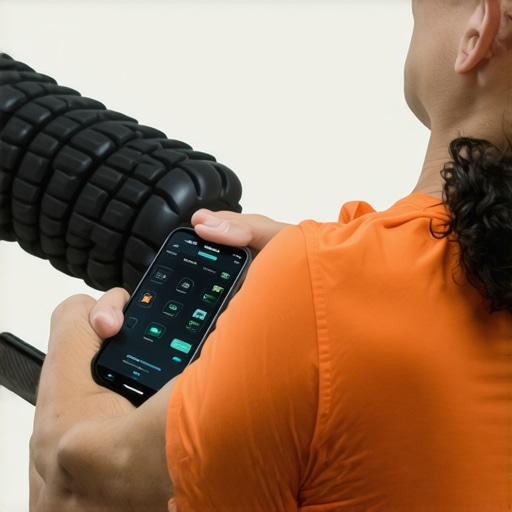
Maintaining your back health over the long haul requires more than just awareness; it hinges on having the right tools and establishing consistent routines. One of my favorite approaches is integrating specific mobility aids and software that reinforce proper habits and provide immediate feedback. For example, I personally use a foam roller combined with targeted mobility exercises here to loosen tight muscles that can contribute to poor posture. These tools serve as tangible cues to remind me to move and stretch regularly, preventing stiffness from creeping in. Additionally, a high-quality ergonomic chair with adjustable lumbar support helps me maintain alignment during extended periods at the desk, a crucial factor given the increasing trend towards remote work.
Now, let’s talk about digital tools. I rely heavily on posture-tracking apps that alert me whenever I fall into poor alignment. These apps work by detecting subtle shifts in your position using your device’s camera or gyroscopic sensors, nudging you to correct before discomfort turns into pain. I predict this trend will grow as AI becomes more sophisticated, offering personalized feedback and even suggesting micro-movements tailored to your daily routine.
Moreover, incorporating guided breathing apps designed to promote diaphragmatic breathing can dramatically improve core stability. Dysfunctional breathing patterns often undermine posture by activating superficial neck and shoulder muscles instead of the diaphragm, leading to tension and fatigue. These exercises can be integrated into your daily routine for persistent relief.
How do I stay consistent with back health tools over time?
The key is selecting a few reliable tools that fit seamlessly into your life and setting scheduled check-ins to assess progress. Just like any habit, consistency beats intensity—small daily actions compound into significant improvements. Over time, I’ve found that combining physical tools like foam rollers with digital feedback creates a robust system for long-term maintenance. Regular use not only prevents setbacks but also enhances mobility and strength, making daily movements easier and pain-free. Look into your routine and ask yourself: Are these tools genuinely integrated into my daily habits, or are they just occasional fixes? The difference can be truly transformative.
Looking ahead, I believe technology will continue to evolve, offering more personalized and intuitive ways to monitor and improve posture. For now, start with one or two proven tools—perhaps a mobility device or posture app—and commit to using them consistently for at least a month. You might be surprised at the long-term results.
For ongoing support, don’t hesitate to reach out and get personalized recommendations tailored to your unique needs. Remember, the journey to pain-free movement is ongoing, but with the right tools, you set yourself up for sustainable success.
One advanced move I recommend trying today is implementing the deadbug variation for core activation. It’s a game-changer for building resilience and stability. Give it a shot and notice how your back feels after just a few repetitions — small tweaks, big results!