Ever found yourself hunched over at your desk, feeling that sharp jolt in your lower back, and thinking, “Why does this keep happening to me?” I’ve been there. One moment, I was just trying to reach for something on the top shelf, and the next, I was stuck in pain that made even simple movements feel like a challenge. That lightbulb moment hit me hard: I needed a real solution, not just temporary relief. After countless attempts and some missteps, I discovered that targeted chiropractic adjustments could be a game-changer for lasting back pain relief.
Why Lasting Back Pain Relief Matters More Than Ever
Back pain isn’t just a minor annoyance; it can rob you of your freedom to move, work, and enjoy life. According to the American Chiropractic Association, nearly 80% of adults will experience back pain at some point in their lives. That’s a huge chunk of people walking around with discomfort, often without a clear plan to fix it permanently. The truth is, many of us resort to quick fixes—painkillers, rest, or stretching—that only mask the problem temporarily. What we really need are adjustments that correct the root causes of misalignment and improve our posture, leading to lasting relief and better mobility.
But here’s the thing—I made a mistake early on that almost derailed my progress. I thought just visiting a chiropractor once or twice would solve everything. Nope. It’s about consistent, personalized adjustments and learning how to maintain good posture daily. That’s why I want to share what I’ve learned so you can avoid the same pitfalls and start on a path to genuine, long-term relief.
Could Chiropractic Adjustments Really Help My Back?
This is probably the biggest question I hear from skeptics—and I get it. When I first heard about adjustments, I wondered if it was just hype. The truth is, chiropractic care focuses on restoring proper alignment to reduce strain on muscles and nerves. It’s not just about cracking your back; it’s about applying precise, effective adjustments that target the specific areas causing pain. I’ve seen firsthand how a series of tailored adjustments can ease chronic pain and improve mobility, especially when combined with good daily habits. For more insights, check out this detailed guide.
If you’ve ever felt frustrated by failed treatments or just tired of temporary fixes, stick around. I’ll show you how to identify the right adjustments, avoid common mistakes, and build a routine that keeps your back healthy for the long haul. Ready to get started? Let’s dive into the practical steps that turned my back pain around—and can do the same for you.
Start with Precise Posture Awareness
One of the first things I did was to assess my daily posture. I remembered a moment when I caught myself slouching at my desk, which worsened my pain. To fix this, I set a timer to remind me every hour to check my alignment. By consciously engaging my core and sitting upright, I reduced strain on my lower back. Think of your spine like a stack of books; if one is out of place, it affects the whole pile. For detailed tips on posture correction, visit this guide.
Learn How to Identify Misalignments
Next, I paid attention to areas where I felt tension or discomfort. Using gentle palpation and self-assessment, I pinpointed misaligned segments. This process is similar to fine-tuning a musical instrument—small adjustments make a big difference. I also kept a journal of pain points, which helped my chiropractor develop a tailored adjustment plan. Recognizing these misalignments early ensures targeted corrections. For more on spotting these issues, check this article.
Implement Targeted Chiropractic Adjustments
During my sessions, I experienced precise adjustments aimed at restoring optimal alignment. It’s like realigning a crooked picture frame—every small twist brings everything back into balance. I learned that consistency was key; weekly visits helped me track progress. Adjustments often involve gentle, controlled forces that release tension and correct joint positioning. To find the right chiropractor, ensure they use proven techniques. For example, explore this list of effective adjustments.
Supplement Adjustments with Daily Habits
Post-adjustment, I adopted daily routines that maintained my progress. Simple stretches, like cat-cow or hip flexor releases, kept my spine flexible. I also incorporated mindful movements—lifting objects correctly and avoiding prolonged sitting—like tuning my body to stay in harmony. This is comparable to maintaining a car’s alignment with regular check-ups. For practical daily tips, visit this resource. Additionally, I made sure to stay active, which strengthened my core and supported my spine’s health.
Monitor and Adjust Your Routine
Finally, I tracked my pain levels and mobility improvements over time. If discomfort reappeared, I consulted my chiropractor for further adjustments. Just like tuning a musical instrument, ongoing fine-tuning ensures lasting harmony. Remember, consistency and awareness are crucial. For expert tips on maintaining your progress, check this guide.
< >
>
Many people assume that back pain is solely caused by injuries or sudden movements, but in reality, a lot of misconceptions revolve around chronic pain, posture, and adjustments. Let’s dig deeper into some common myths that can hinder your progress and introduce advanced nuances that even seasoned practitioners sometimes overlook.
Why Most People Misunderstand the Role of Posture in Chronic Back Pain
It’s a widespread belief that fixing your posture instantly resolves back pain. While good posture is essential, overemphasizing it can lead to unnecessary anxiety about every minor misalignment. The truth is, our bodies are resilient and adaptable. Research from the Journal of Manipulative and Physiological Therapeutics suggests that focusing solely on perfect posture without addressing muscle imbalances or joint mobility can be counterproductive. Instead, a holistic approach that combines posture correction with mobility exercises yields better, long-term results.
The Trap of Quick Fixes and the Oops You Must Avoid
Many fall into the trap of relying on temporary relief methods like painkillers or superficial stretches. These might mask symptoms but don’t target the root causes. An advanced mistake is neglecting the importance of spinal mobility and joint health, which are often overlooked in traditional treatments. For example, focusing only on muscular stretches without ensuring proper joint movement can lead to stiffness and further misalignments, complicating recovery. Always prioritize comprehensive assessments that include joint function and spinal flexibility, not just muscle tightness.
How to Recognize Subtle Misalignments That Undermine Adjustments
Most people think that a visible hump or tilt indicates misalignment, but subtle issues like joint restrictions or ligament laxity can be equally detrimental. Skilled chiropractors evaluate these hidden nuances, which often go unnoticed by the untrained eye. Incorporating techniques such as functional movement screening and palpation can reveal these hidden issues. Remember, effective adjustments require understanding the complex interplay between muscles, joints, and connective tissues. For more detailed insights, check out this comprehensive guide.
Finally, don’t fall for the myth that all adjustments are the same. The quality, technique, and precision matter significantly. Choosing a chiropractor who uses evidence-based methods tailored to your unique anatomy is crucial. Also, integrating daily habits like mobility drills and posture awareness can amplify the benefits of adjustments. For advanced strategies, explore this expert advice.
Have you ever fallen into this trap? Let me know in the comments. Remember, understanding the nuances is key to overcoming chronic back issues and improving your mobility for good.
When it comes to keeping your back healthy after adjustments and routine improvements, having the right tools and habits can make all the difference. Over the years, I’ve tested various equipment and methods to ensure my progress is sustainable and scalable. Today, I want to share some specific tools I personally recommend, along with insights into how they can help you maintain mobility and posture long-term.
Invest in a Quality Foam Roller
A foam roller is invaluable for releasing muscle tension and enhancing tissue flexibility. I personally use a dense, high-quality foam roller because it provides the right amount of pressure without losing shape. Regular self-myofascial release with a foam roller helps prevent muscle tightness that can cause misalignments, especially after adjustments. I focus on rolling my lower back, hips, and legs to maintain good posture and reduce strain. For detailed guidance, check out this resource.
Consider a Posture Corrector for Daily Use
While I don’t recommend relying solely on a posture corrector, using one during long periods of sitting can reinforce good habits. I prefer a breathable, adjustable brace that gently reminds me to keep my shoulders back and spine aligned. This is especially useful during work hours or long drives. Over time, I find that it helps retrain my muscle memory to maintain proper posture without the device. Remember, the goal is to combine external support with internal muscle strengthening, not to become dependent on it. For effective postural habits, explore this guide.
Use a Spinal Tracker App for Progress Monitoring
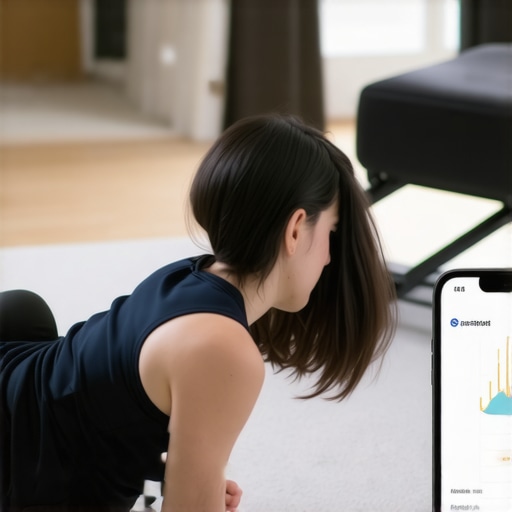
Tracking your mobility and posture improvements is crucial. I use a dedicated app that prompts me to perform daily posture checks and record any discomfort or stiffness. These apps often have features to analyze your posture via photos or video, providing feedback on alignment. This real-time data allows me to adjust my routines proactively. In the future, I predict that AI-powered posture analysis will become even more sophisticated, offering personalized recommendations faster than ever. For now, try apps like this recommended app to stay on top of your progress.
Prioritize Consistent Mobility Exercises
Daily mobility routines are essential. I dedicate 10-15 minutes each morning to gentle stretches and joint mobilizations. Exercises like cat-cow, hip circles, and spinal twists help keep my spine flexible and prevent stiffness. Incorporating these into your routine can prevent minor misalignments from becoming chronic issues. Remember, consistency is key. For more advanced mobility techniques, explore this expert advice. I encourage you to pick one or two tools from this list and make them part of your daily routine to sustain your back health effectively.
How do I maintain my mobility and posture over time?
The secret to long-term success lies in integrating these tools into your everyday habits. Regular use of foam rollers, mindful posture checks with apps, and consistent mobility exercises create a comprehensive approach that adapts to your evolving needs. Additionally, staying informed about new techniques and adjusting your routine accordingly will keep your progress on track. Remember, your body is dynamic; what works today might need tweaking tomorrow. Keep a journal, stay proactive, and don’t hesitate to consult your chiropractor for personalized advice. For a holistic view, consider reviewing this comprehensive guide on maintaining back health long-term.
< >
>
The Hardest Lesson I Learned About Back Pain and Mobility
One of the most surprising realizations I had was that quick fixes like painkillers or superficial stretches only offered temporary relief. The real breakthrough came when I understood the importance of addressing the root causes—misalignments, joint restrictions, and muscle imbalances—that perpetuate pain. This taught me that patience and consistency in chiropractic adjustments are essential, and that genuine progress often requires a mindset shift from symptom management to holistic correction.
My Top Tools for Maintaining Long-Term Back Health
Over time, I discovered that investing in quality tools like a dense foam roller helped me release muscle tension and support tissue flexibility. I also found a reliable posture corrector invaluable during long workdays, reinforcing good habits. Tracking my progress with a spinal tracker app kept me accountable and allowed me to fine-tune my routines. These tools, combined with expert guidance, created a sustainable foundation for my back health.
What I Want You to Know Before You Start Your Journey
Most importantly, I want you to realize that your body is resilient and capable of healing with the right approach. Don’t be discouraged by setbacks or misconceptions. Every small adjustment and habit change compounds over time. The future of back pain relief lies in personalized, consistent care—so stay proactive, stay curious, and remember that lasting mobility is within your reach. If you’re ready to take the next step, explore more about effective adjustments and routines at this resource.