I remember the moment clearly—after a particularly promising chiropractic session, I woke up the next day feeling like I’d taken two steps backward. The relief was temporary, and I was left questioning what I’d done wrong. It was frustrating, almost disheartening. I soon realized I wasn’t alone; many people share this experience of quick setbacks after what seemed like a successful adjustment.
Why Do Spinal Adjustments Sometimes Fade So Fast?
There’s a sneaky truth behind why some spinal adjustments don’t stick around—it’s often more about factors we overlook than the adjustment itself. I’ve come to understand that temporary relief can be a sign that underlying habits or misalignments are still lurking beneath the surface, ready to undo the good work of even the best chiropractor. This realization led me into a deep dive into what truly influences lasting spinal health.
Is It Worth the Hype? My Early Mistake
Initially, I believed a quick session was enough. I thought that one good adjustment would fix everything. But early on, I made the mistake of neglecting the daily habits that support my spine. That tiny misstep made me skeptical about chiropractic care until I discovered that consistent effort—like daily adjustments and posture tweaks—can dramatically improve long-term results. For more practical strategies, check out daily adjustments to alleviate back pain and improve posture.
Studies show that about 80% of back pain sufferers experience recurrent issues if they don’t address lifestyle factors, such as posture and movement habits (source: National Institute of Neurological Disorders and Stroke). This statistic surprised me, but it made sense. Fixing the spine isn’t just about the adjustment—it’s about what happens afterward and how we treat our bodies daily.
Today, I want to share the core reasons that might be sabotaging your progress and reveal 2026’s upcoming fixes that can make your spinal health more durable. If you’ve faced the cycle of temporary relief, stay tuned—what comes next could be the game-changer you’ve been waiting for.
What Can You Do To Make Your Adjustments Last?
Strengthen Your Foundation with Daily Posture Tweaks
After my first few attempts at maintaining spinal health, I found that simple daily habits had the biggest impact. I started by setting a timer to remind me to stretch and correct my posture every hour—think of it as tightening the bolts in your house to prevent the walls from shifting. For example, I adjusted my workstation so that my monitor was eye level, which instantly reduced slouching. This small habit prevented my spine from slipping back into poor alignment and made subsequent adjustments more effective. To adopt this into your routine, visualize your spine as a building that needs regular inspections—tiny daily fixes prevent big problems later. Check out daily adjustments for back pain for actionable tips.
Master Proper Movement Techniques
Use Correct Lifting and Bending Forms
One morning, I tried lifting a heavy grocery bag without bending my knees—my back immediately protested. I realized that mimicking a hinge, like opening a trapdoor at your hips, distributes weight evenly and spares your lumbar spine. This movement pattern is crucial, especially when picking up objects or reaching overhead. Practice by pretending your pelvis is a bowl that tips forward and backward—keep it stable and hinge at the hips. Implementing this technique is like coaching your muscles to work together, preventing strain that can undo your adjustments. For detailed movement strategies, visit mobility strategies for pain-free movement.
Incorporate Targeted Strengthening Exercises
I added a 5-minute core routine into my mornings—doing planks and bridges—making my torso a stable platform that supports my spine. Think of your core muscles as the scaffolding that holds up a building; the stronger it is, the less your spine has to bear the brunt of everyday movements. When I neglected this, adjustments would hold temporarily, but the misalignment crept back. Consistent core work locks in the benefits of adjustments, acting like braces that keep the structure in place. For specific routines, explore expert tips for enhancing mobility.
Prioritize Sleep Habits That Support Back Health
Nighttime is when your body repairs itself, but my restless sleep with a hard mattress was causing morning stiffness. I switched to a medium-firm mattress and learned to sleep on my side with a pillow between my knees, which aligned my pelvis—imagine placing a shim in a crooked frame to straighten it. Good sleep posture acts like a realignment hero, cementing the improvements from your daily efforts. Regularly maintaining this habit reduces the tendency for your spine to revert to a misaligned state overnight. To optimize your sleep posture, review sleep habits for back health.
Engage Your Mind with Awareness and Consistency
I found that mindfulness about my posture during daily activities—like walking or sitting—prevented reversion to poor habits. Treat your spine’s health like riding a bicycle; constantly adjusting your balance prevents falls. This mental vigilance ensures that the work you do during adjustments isn’t undone by subconscious habits. Keep a journal or set reminders to stay conscious of your posture and movement patterns, making your progress last. For more on maintaining consistency, visit mobility techniques and consistency.
Many individuals believe that perfect posture simply means standing or sitting straight with shoulders back. However, this common misconception can actually lead you astray. The truth is, most people get wrong the dynamic nature of posture—it’s not just about static alignment but about how you maintain, adapt, and support your spine during various activities. An overly rigid approach to “good posture” can cause muscle imbalances and restrict mobility, which ironically worsens back pain over time.
Another often-missed nuance is the myth that once you’ve achieved a certain posture correction, the problem remains fixed forever. This misconception can trap many into complacency, neglecting the continuous effort needed to maintain spinal health. Posture isn’t a one-time fix; it’s an ongoing process that involves active engagement of your muscles and awareness of movement patterns. This is why regular adjustments and mobility exercises are essential, as highlighted in cornerstone content on effective adjustments for lasting relief.
Why do people assume static posture equals health, and what’s the real story?
The fallacy here is that static posture alone determines back health. While proper alignment is crucial, research indicates that how you move and support your spine dynamically plays a more significant role. For instance, maintaining perfect stillness might cause muscles to stiffen, leading to decreased mobility and increased strain during movement. An expert approach involves balancing static posture with active mobility routines, such as those discussed in effective spinal adjustments for better mobility.
Moreover, many get caught in the trap of relying solely on chiropractors for fixes, forgetting that daily habits—like how we bend, lift, and sit—are critical. Avoid common pitfalls like neglecting hip mobility or core strength, which can undermine spinal alignment efforts. Incorporating targeted exercises and understanding the nuanced mechanics of movement can prevent setbacks, reinforcing the importance of continuous, mindful practice.
To deepen your understanding of nuanced postural habits, explore simple adjustments to relieve back pain, which go beyond basic alignment and address the subtleties many overlook.
Remember, lasting relief isn’t achieved through quick fixes but through embracing the complex, dynamic nature of the human body. By recognizing and correcting these hidden nuances—like the balance between static posture and active mobility—you set yourself up for sustained health. Have you ever fallen into this trap? Let me know in the comments.
Maintaining the gains from your chiropractic adjustments and daily posture habits requires reliable tools and consistent strategies. Over the years, I’ve experimented with various equipment and methods, and I can confidently recommend a few that have truly made a difference in my long-term progress.
Invest in Quality Ergonomic Equipment
One of my must-haves is a high-quality ergonomic chair that promotes proper lumbar support and encourages natural spinal alignment throughout the day. I personally use the Herman Miller Aeron chair because its adjustable tension and posture-specific design help me avoid the slouching habits that can undo weeks of mobility work. Additionally, an adjustable standing desk has become indispensable—switching between sitting and standing has prevented stiffness and kept my muscles engaged. When combined with daily posture adjustments, these tools serve as the foundation for sustained health.
Apply the right movement aids
Foam rollers and small massage balls have become my go-to for releasing muscle tightness and promoting blood flow in targeted areas. I prefer a dense, high-quality foam roller because it effectively decompresses my thoracic spine and hips after long periods of sitting. Regular self-myofascial release complements the work done during chiropractic sessions, helping the adjustments last longer.
Leverage technology for progress tracking
To stay aware of my posture trends and identify regressions, I use a smartphone app called Upright Posture Reminder. This app gently nudges me when I slouch, providing instant feedback and encouraging mindfulness. Tracking my behavior over time has revealed patterns, allowing me to adjust habits proactively. As technology advances, I predict the integration of AI-powered wearables that analyze real-time movement and suggest personalized corrections—making continuous maintenance even more precise.
Methodical self-assessment with mirror and notes
While digital tools are excellent, simple mirror checks paired with a posture journal have kept me honest. Reviewing my reflection throughout the day helps spot tendencies to revert into poor habits. Documenting weekly progress ensures I stay motivated and aware of setbacks, making the journey sustainable.
How do I maintain my improvements over time?
Consistency is key. Incorporating these tools into daily routines creates a strong support system for your spine. Remember, a small investment in quality equipment, combined with disciplined habits, pays off exponentially by preventing setbacks and ensuring lasting mobility. For more advanced insight, I recommend exploring powerful chiropractic adjustments that improve mobility. Try integrating a foam roller session after your next adjustment; I’ve found it dramatically extends the benefits.
Looking ahead, I believe technology will become even more personalized, offering AI-driven feedback and automated posture correction. This evolution will empower everyone to keep their bodies in top shape without constant manual intervention. Until then, combining ergonomic tools, movement aids, and mindful tracking remains your best bet for maintaining lasting results.
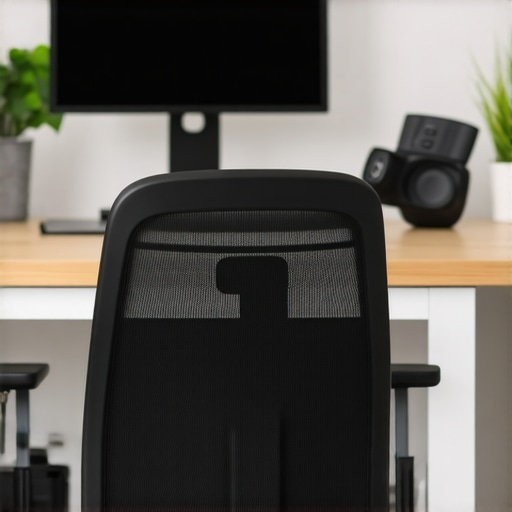
Over the years, I’ve come to realize that true progress in spinal health hinges on embracing the nuances many overlook. One of the most eye-opening lessons I’ve learned is that quick fixes and standalone adjustments aren’t the full story; lasting change comes from understanding the complex interplay between habits, movement, and mindful practice. I’ve discovered that the key to sustained relief is often hidden in the details—like how small daily habits can empower or sabotage your journey, or how leveraging the right tools makes a noticeable difference. These insights have transformed my approach, helping me build resilience against setbacks that once seemed inevitable.
Little Secrets That Changed My Perspective on Mobility and Pain Relief
- Posture isn’t static—it’s a dance. I learned that maintaining spinal health requires ongoing adjustments, not just a one-time fix. Constant awareness during everyday movements prevents minor misalignments from compounding.
- Habits matter more than gimmicks. Casual slouching or improper lifting habits can undo weeks of chiropractic work. Small, consistent routines—like checking my posture and mobility daily—have a profound impact on durability.
- Tools amplify results. Ergonomic equipment, foam rollers, and posture reminders aren’t just accessories; they are essential allies in reinforcing healthy habits and prolonging relief.
- Mindfulness fuels maintenance. Cultivating awareness during activities keeps subconscious habits in check and helps me stay committed to ongoing progress rather than spiraling back into old patterns.
- The body rewards consistency. Regularly revisiting mobility exercises, sleep habits, and tech aids creates a strong foundation that prevents setbacks, turning temporary relief into lasting health.
My Go-To Resources for Staying on Track
- Daily adjustments for back pain: Practical tips that I personally use every day to reinforce my spinal health and avoid regression.
- Expert mobility tips for easier movement: The go-to guide for mastering movement techniques that protect and strengthen your spine.
- Top strategies for pain-free movement: Clear, actionable routines that make daily mobility accessible and effective.
- Simple adjustments for better posture: Easy-to-implement tweaks that support your effort in maintaining alignment throughout the day.
The Power of Consistency and Mindful Practice
Finally, I want to emphasize that your progress hinges not only on what you do but how you approach it. Embracing consistency—day after day, habit after habit—is what transforms temporary relief into lasting results. Mindfulness, combined with the right tools and targeted exercises, creates a self-sustaining cycle of health. Remember, your spine is a dynamic partner; taking the time to understand its needs and responding with gentle, deliberate actions will set you on a path toward enduring mobility and pain relief. Are you ready to make these small changes that can lead to a lifetime of better movement? Share your experiences below and let’s inspire each other to prioritize lasting spinal health.