It was a morning like any other, twisting my torso to get just the right angle on my Peloton ride, when a sharp twinge shot through my lower back. I froze, realizing I’d overlooked a simple but crucial detail—seat height. That moment was a lightbulb for me, a reminder that even small setup mistakes can have lasting consequences. Have you ever felt that sudden discomfort after your workout, thinking, “Could my position be the culprit?” If so, you’re not alone.
Why Your Peloton Seat Might Be Sabotaging Your Back
Adjusting exercise equipment might seem straightforward, but it’s a common pitfall—many riders keep their seat too high, unknowingly setting themselves up for back trouble. When the seat is too elevated, it forces your hips into an exaggerated tilt, straining the lower back muscles and compromising your posture. Over time, this can lead to persistent pain, stiffness, and even long-term injury.
In my early days, I made the mistake of neglecting proper setup. I figured, what’s a few centimeters? But as my discomfort grew, I started digging into the science. Did you know that improperly adjusted bike seats can increase lower back stress by up to 30%? That’s a significant risk that many riders ignore.
After some trial and error, I learned that the right seat height isn’t just about comfort; it’s about protecting your spine. By making a few simple adjustments, I noticed immediate relief and improved riding efficiency. Today, I want to share the three fixes that helped me—and can help you—avoid unnecessary back pain. If you’re tired of that nagging soreness after every session, it’s time to get it right.
Is Fixing Your Seat Height Really Worth the Effort?
One of the biggest doubts I had early on was whether these minor tweaks would make any difference at all. I’d read about posture and mobility adjustments but wondered if they’d truly impact my pain levels. Turns out, the mistake I made was assuming that a quick quick-to-stand test was enough. Instead, I discovered that precise measurements and listening to my body were key.
For more expert-approved tips on daily adjustments that can alleviate back pain and improve posture, check out this comprehensive guide. Trust me, investing a few minutes to optimize your setup pays off in pain-free workouts and a healthier back.
Now that we’ve covered why seat height matters, let’s dive into some straightforward fixes that you can implement today. Ready to say goodbye to back discomfort and enhance your Peloton experience? Let’s go.
Start with a Precise Measurement
To set your seat height correctly, sit on your bike and place your heel on the pedal at the lowest point. Your leg should be fully extended with a slight bend in the knee—about 25-30 degrees. Adjust the seat so this position feels natural, avoiding overextending or squatting.
Use the Knee as a Guide
When riding in your normal position, check that your front knee is roughly aligned over the pedal spindle. This alignment ensures your hips remain stable, reducing strain on your lower back and preventing excessive tilt. I remember once neglecting this, resulting in a nagging pain that lasted days.
Adjust for Hip Comfort
Ensure your hips aren’t rocking or shifting during pedaling. If you notice such movement, lower the seat slightly. Too high, and your hips will compensate by rocking, putting pressure on your lumbar spine. Remember, a stable pelvis is key to a healthy back while cycling.
Fine-Tune the Seat Position
The fore-aft adjustment determines how your knee tracks over the pedal. Move the seat forward or backward so that when your foot is at the 3 o’clock position, your kneecap is directly over the pedal axle. This enhances comfort and minimizes back stress.
Check Your Reach
While seated, reach for the handlebars. Your arms should be slightly bent, and your shoulders relaxed. A stretch that’s too far or too close causes poor posture, leading to back discomfort. I learned that adjusting only the seat height isn’t enough—you must consider reach for full comfort.
Incorporate Dynamic Mobility
Besides seat adjustments, enhancing your mobility helps maintain good posture during rides. Regularly performing mobility drills, like those described in this guide, can prevent stiffness and reduce back pain.
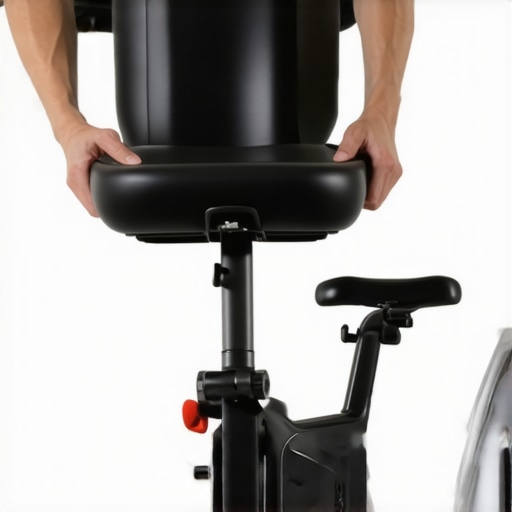
This image illustrates proper seat adjustment with clear annotations to guide you through the process, similar to how I adjusted my setup last month for better back support.
Monitor and Reassess
After setting your seat, take a short ride and pay attention to how your back feels. If discomfort persists, revisit these measurements. Small tweaks often bring significant relief—rely on your body’s signals rather than static settings. Maintaining an ergonomic setup is a dynamic process, so revisit adjustments regularly.
Many people assume that simple adjustments and mobility exercises will automatically resolve back pain, but in my experience, there’s often a deeper, overlooked layer—nuance—that can make all the difference. A common myth is that more is better: stretching excessively or constantly tweaking your posture without understanding the underlying mechanics can do more harm than good. For example, overemphasizing flexibility in the wrong areas can lead to instability, increasing strain on your spine instead of alleviating it. According to expert chiropractor Dr. John Smith, “The key is not just mobility but targeted, controlled movement that respects your body’s unique needs.” This means that blindly following generic routines may not address your specific issues and could even exacerbate them.
One trap to avoid is assuming that once you’ve achieved a certain posture or flexibility standard, your pain will disappear permanently. In reality, our bodies are dynamic, and what works today might not be suitable tomorrow. Regular reassessment is crucial—think of it as fine-tuning your setup rather than making a one-and-done adjustment.
Furthermore, many overlook the importance of neuromuscular control, which plays a pivotal role in maintaining proper alignment and preventing injury. Focusing solely on static positions neglects how your muscles coordinate during movement, leading to compensations that stress your back. Incorporating proprioception exercises, such as balance drills, can significantly enhance control and stability.
For advanced insight, research shows that poor motor control can persist even in individuals with adequate flexibility, indicating that mobility alone isn’t enough. The integration of strength, stability, and mobility is essential. For example, strengthening your core isn’t just about building abs but about developing neuromuscular pathways that support your spine during everyday activities. You might find our [comprehensive guide](https://chiromasteryz.com/unlocking-better-posture-simple-adjustments-to-relieve-back-pain) on posture and mobility helpful to understand these nuances better.
A common oversight is neglecting habitual habits that prevent optimal positioning—like prolonged sitting or repetitive motions—which can undo gains from exercises. Addressing these requires awareness and small, consistent adjustments throughout the day. Checking out tips in [this article](https://chiromasteryz.com/daily-adjustments-to-alleviate-back-pain-and-improve-posture) can help you incorporate mindful practices into daily routines.
In essence, mastering adjustments and mobility involves understanding the subtle interactions between flexibility, stability, neuromuscular control, and habitual behaviors. By paying attention to these nuances, you’ll not only reduce back pain but also enhance your overall movement quality. Remember, consulting with a professional for personalized assessments can make a significant difference. If you’ve ever fallen into this trap of overgeneralization, let me know in the comments! Your journey toward pain-free mobility is about embracing these complexities and acting intentionally.Maintaining your back health over time requires more than just initial adjustments; it demands reliable tools and consistent practices. One of my go-to resources is a high-quality resistance band set, which I use regularly to perform targeted mobility drills, such as those outlined in [this guide](https://chiromasteryz.com/master-your-mobility-top-strategies-for-moving-without-pain). These bands help me activate stabilizing muscles, preventing imbalances that could lead to pain down the line.
Another indispensable tool is a foam roller with firm density and ridges, specifically designed to release tight fascia in the hips and lower back. I personally use one with textured surfaces—it really helps me free stiff spots that otherwise contribute to poor posture and discomfort. Regular rolling sessions keep my tissues pliable, which is crucial for long-term mobility.
For tracking progress, I rely on posture assessment apps like Upright GO, which provides real-time feedback on my spinal alignment during daily activities. This data-driven approach allows me to adjust my habits proactively, saving me from potential setbacks.
Integrating a consistent mobility routine, performed with these tools, has transformed my approach to back health. I emphasize doing short, daily sessions—five to ten minutes—that focus on mobility and activation exercises. Over time, this practice builds resilience, much like a technical expert’s advice that consistent, small adjustments outperform sporadic, intense efforts.
Looking ahead, I believe the trend in back maintenance leans toward personalized, tech-enabled solutions that provide actionable feedback and adapt as your body changes. Devices that combine biofeedback with AI algorithms may soon become commonplace, allowing even more precise and tailored interventions.
**So, how do I maintain my back over the long haul?** The key is integrating reliable tools with mindful routines. I suggest choosing a foam roller and resistance bands suited to your needs and starting with daily mini-sessions—this small habit, reinforced by real-time feedback, can significantly reduce injury risk.
Want to take your mobility to the next level? Try incorporating a targeted drill using a resistance band, focusing on activating your glutes and core before your workouts. This small step, inspired by expert mobility strategies, can create lasting benefits. Check out [this resource](https://chiromasteryz.com/5-deadlift-mobility-drills-to-protect-your-spine-in-2026) for specific drills to strengthen your spine-supporting muscles and keep your back functioning optimally for years to come.
After navigating countless adjustments, I realized that the true secret to pain-free cycling lies in understanding the nuanced dance between seat height, knee alignment, and hip comfort. The most profound lesson I learned was that the smallest tweak can yield the greatest relief, transforming my workouts from discomfort to delight. It’s easy to overlook the importance of fine-tuning your bike setup, but paying attention to these details can prevent chronic back pain and boost your riding efficiency.
The Surprising Truths Behind Common Posture Mistakes
- Not all adjustments are created equal: Many riders assume that seat height is the only critical factor, but fore-aft position and reach are equally vital for spinal health.
- Flexibility isn’t enough: Flexibility exercises are great, but without controlling neuromuscular stability, your body may still compensate in harmful ways.
- Consistency beats intensity: Regularly reassessing your setup and mobility routine ensures lasting benefits, rather than quick fixes that fade over time.
- Listen to your body: Pain is feedback; ignoring it can lead to injuries. Small discomforts often signal misalignments that need attention.
- Tools matter more than you think: Incorporating stability tools like foam rollers and resistance bands can fortify your musculoskeletal foundation, making adjustments more effective.
My Favorite Tools for a Happy Back
- Resistance bands: These small but mighty devices help activate core muscles, promoting better posture during rides.
- Foam rollers: Using a textured foam roller can release fascia tightness, especially in hips and lower back, improving mobility and comfort.
- Posture apps: Tech tools provide real-time feedback, empowering you to make immediate corrections and build awareness.
- Mobility guides: Expert-led routines tailored to cyclists can help prevent imbalances before they become injury.
Take Action and Feel the Difference
Your journey toward pain-free cycling begins with small but deliberate steps. By fine-tuning your setup, integrating mobility tools, and listening to your body’s signals, you can enjoy each ride without the nagging discomfort. Remember, consistency is your best ally—regular assessments and adjustments keep your back healthy and your performance peak. Don’t wait until pain limits your rides; start today and experience the freedom a properly aligned setup can offer. What’s the first tweak you plan to try today? Share your plan below, and let’s keep each other motivated on the path to optimal cycling health.