I remember the exact moment I realized my new obsession with virtual reality was turning into a neck nightmare. I was immersed, hands on the controllers, totally lost in a game—a perfect escape. But then, I slowly looked down to check my stats and felt a sharp twinge in my neck that lingered for days. That lightbulb moment made me rethink my habits. Turns out, even innocuous gaming can sneakily cause real pain if we’re not careful. Has that ever happened to you? Maybe your neck feels stiff after long VR sessions, or you’re noticing more tension than usual. If so, you’re not alone, and I want to share what I’ve learned about protecting my neck while still enjoying the tech I love.
Your VR Habit Might Be More Than Just a Good Time
In my case, I was totally unaware of the cumulative strain I was putting on my neck by leaning forward, craning my head, and staying in poor posture for extended periods. Early mistakes like ignoring postural cues and dismissing discomfort led me down a path of persistent pain. I had to admit—I’d made a critical error by not adapting my environment and habits to suit the demands of immersive gaming. The good news? Small, intentional adjustments can make a big difference. And today, I want to guide you through three simple, effective fixes you can incorporate into your daily VR routine to prevent neck pain and keep gaming enjoyable.
Question: Is this just hype, or are these fixes really worth trying?
Honestly, I was skeptical at first. I thought, “How much difference could tiny adjustments make?” But after experimenting and consulting with experts, I found that even minor posture tweaks can significantly reduce strain. Don’t fall into the trap of thinking pain is something to accept—it’s often a sign we need to change our habits. For a deeper dive on maintaining mobility and preventing back and neck pain, check out this insightful article on mobility enhancement tips. Trust me, investing a few minutes each day can preserve your comfort and health in the long run. Ready to learn the three daily fixes that transformed my VR experience? Let’s jump in.
Set Your Environment for Better Posture
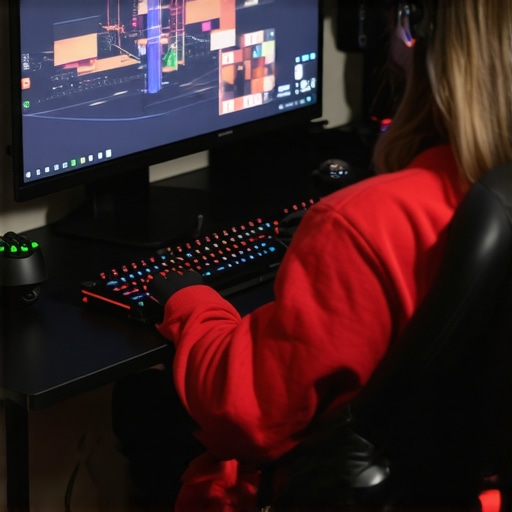
Start by arranging your gaming space to promote good alignment. Raise or lower your monitor or VR sensors so you don’t have to crane your neck up or down excessively. Use sturdy furniture that encourages sitting with your back supported and your head in a neutral position. For example, I once reconfigured my gaming corner, adjusting my chair height and monitor angle, which helped me maintain a relaxed neck posture and reduced tension during long sessions. This clear setup prevents the habit of leaning forward, a common mistake that puts unnecessary strain on your neck.
Practice Micro-Movements Regularly
Incorporate Neck and Shoulder Rolls
Every 15 minutes, pause your gameplay to perform gentle neck and shoulder rolls. Think of your neck as a mobile—circling it smoothly in both directions—in the same way, gently rolling your shoulders eases tension and promotes blood flow. I remember during a marathon gaming night, I paused for a quick set of shoulder circles; initially, it felt awkward, but I soon noticed my neck felt less stiff afterward. These micro-movements encourage mobility, breaking the cycle of stiffness caused by static postures.
Use Dynamic Stretches for Flexibility
Complement with stretches like the half-moon or chin tucks to improve flexibility. For example, I tried a chin tuck while watching a tutorial, pulling my chin slightly inward as if creating a double chin, which strengthened deep neck muscles. Incorporating these stretches daily can prevent tightness from static positions and help keep your neck supple, making prolonged VR sessions more comfortable.
Adjust Your Posture Anchors
Focus on supporting your neck with proper body positioning. Sit back fully in your chair, ensuring your lumbar support is engaged, and keep your monitors at eye level. Think of your neck as the top of a supported structure—if the base is unstable, the top wobbles; strength in your core and proper support anchors keeps your head aligned naturally. Once, I noticed my head drifting forward because my chair was too low, leading to neck pain. Raising the chair to align my ears with my shoulders instantly improved my posture. For more detailed adjustments, check out daily adjustments.
Embrace Regular Movement Breaks
Set a timer to remind yourself to stand and move every 20 minutes. Think of your spine like a chain; restricting movement for too long causes stiffness and discomfort. During my sessions, I used a simple alarm to prompt me to stand, stretch my arms overhead, and rotate my torso gently. These breaks boost circulation and help realign your spine, preventing the cumulative effects of static positions. Remember, small, consistent actions are more effective than sporadic intense stretches.
,
Many people believe that back pain is simply a matter of muscle strain or poor posture, but the reality is far more nuanced. A common misconception is that all spinal adjustments provide immediate, lasting relief—however, research shows that the effectiveness of adjustments can vary depending on individual factors and the specific techniques used. For instance, a study published in the Journal of Chiropractic Medicine highlights that personalized adjustments tailored to a patient’s unique spinal biomechanics yield better long-term results than generic treatments. Let’s dig deeper into what most overlook when addressing back pain and mobility.
One trap to avoid is assuming that more frequent adjustments will automatically lead to better outcomes. Overdoing spinal manipulations without addressing underlying postural habits or mobility issues can be counterproductive or even exacerbate discomfort. Instead, the focus should be on integrating mobility exercises and habit adjustments that complement chiropractic care. A holistic approach considers not just the adjustment, but also daily movement patterns and environmental factors.
What advanced mistakes do people make about posture corrections?
Many think that simply standing taller or wearing corrective braces will fix chronic issues. Yet, this ignores the importance of dynamic stability and functional movement patterns. For example, a static correction, like locked-in posture, can miss the underlying neuromuscular control required for sustainable realignment. Skilled practitioners emphasize training the body’s ability to maintain proper alignment during daily tasks rather than relying solely on external supports. Incorporating strategic movement drills helps build this resilience.
Additionally, neglecting the neurological component of pain can be a critical mistake. Chronic pain often involves central sensitization, where the nervous system amplifies pain signals independent of tissue damage. Targeting this requires comprehensive strategies beyond adjustments alone, including mind-body techniques and education about pain mechanisms.
Now, let’s ask: Have you ever fallen into this trap? Let me know in the comments. Remember, a nuanced understanding paired with personalized strategies is the best way to achieve lasting relief and improved mobility. To explore this further, check out daily habit adjustments or simple posture fixes that can make a real difference.
In my journey to keep my mobility optimal and my back pain at bay, I’ve discovered that utilizing the right tools and adopting strategic methods are vital for lasting results. One of the most powerful assets in my arsenal is a quality foam roller. I personally prefer a dense, high-density foam roller because it allows me to target deep muscle tissues safely. Regular self-myofascial release using my foam roller helps break down scar tissue, increase blood flow, and improve tissue elasticity—all essential for maintaining spinal flexibility and preventing chronic pain. Incorporating this daily, especially after long gaming or working sessions, has significantly reduced stiffness and enhanced my mobility.
Alongside physical tools, the software I rely on has been invaluable. I use a reminder app set to hourly intervals that prompts me to perform brief posture checks and micro-movements. These tiny, scheduled interventions serve as micro-destressors for my spine, preventing the stiffness that accumulates over hours of static positions. The app also tracks my consistency, reinforcing my habits and showing progress over time. Scheduling regular movement breaks is, in my experience, one of the most underrated yet effective strategies to sustain spinal health.
Another game-changer has been my ergonomic setup. I invested in a height-adjustable standing desk, allowing me to alternate between sitting and standing, which has been shown in research to promote healthier spinal mechanics. Proper monitor placement at eye level and a supportive ergonomic chair contribute further. Many underestimate how environmental adjustments can compound over days and months, leading to long-term relief and improved posture.
Looking to the future, I believe the trend will lean more towards personalized mobility plans. Advances in wearable technology, such as smart posture sensors, will provide real-time feedback and tailored exercises to optimize spinal health. These innovations promise a proactive approach, catching and correcting poor habits before they cause pain.
How do I maintain mobility over time?
Consistency is key. I integrate mobility-enhancing exercises from expert sources like this article on mobility tips into my daily routine. Gentle stretches, micro-movements, and posture checks ensure I stay aligned and flexible. I also periodically revisit my setup, adjusting equipment as needed to accommodate any changes in my needs. Remember, persistent small efforts are often more effective than sporadic intensive sessions. If you haven’t already, try incorporating a foam roller into your routine and see how much easier maintaining mobility becomes.
Throughout my journey with back health, I’ve stumbled upon lessons that are rarely discussed but profoundly impactful. These insights transformed my approach from superficial fixes to deep, lasting change, especially in how I view posture and mobility. If you’re tired of quick fixes that fade, read on—I believe these truths can reshape your perspective too.
What I Wish I Knew About Maintaining Spine Resilience
One-size-fits-all adjustments rarely last. I learned the hard way that spinal manipulations need to be personalized, considering my unique movement patterns. Relying solely on adjustments without addressing daily habits is like building a house on quicksand. For comprehensive strategies, explore mobility enhancement tips.
Consistent micro-movements beat intense stretches. Attempting to overhaul my posture overnight was futile. Instead, frequent gentle movements sustained my mobility far better than sporadic intense stretches. A simple reminder app helped me integrate this into my routine, making a world of difference.
Environment is the silent ally or enemy. A well-configured workspace supports your efforts. Small adjustments, like monitor height and supportive chairs, prevent the postural slips that lead to pain, proving that your surroundings matter just as much as exercises.
Mindful movement rewires your nervous system. I discovered that engaging my neuromuscular pathways through mindful, controlled movements reduced tension and improved stability. Combining this with techniques like safe mobility moves creates resilience against pain.
My Top Tools Making a Difference
Over time, I curated a set of resources that truly resonate with my goal of lasting back health. First, the [ultimate guide to improving posture and alleviating back pain](https://chiromasteryz.com/boost-mobility-reduce-back-pain-with-expert-chiropractic-adjustments-2) offers proven techniques backed by experts. Then, a high-density foam roller became my go-to for self-myofascial release—deep tissue work that releases tightness and boosts flexibility. A simple yet powerful tool that many overlook. Lastly, I rely on mobility-focused exercises designed to rewire my movement patterns and prevent chronic issues.
Lighting the Path for Your Own Progress
Change starts with belief and small steps. If you’re ready to shift from temporary relief to sustainable mobility, remember that your journey is unique but entirely manageable. Tackle one habit at a time, prioritize consistency, and trust the process. My experience has shown that the most profound improvements stem from embracing these less obvious truths about back care. If you’ve wondered why some fixes stick while others don’t, I hope these insights empower you to take control of your health. Ready to make that first, lasting change? Share your story below or ask me any questions—I’m here to help you thrive beyond pain.
1 thought on “Is Your 2026 VR Habit Causing Neck Pain? 3 Daily Fixes”
Reading this post really hit home for me. I’ve noticed after long VR sessions, my neck gets very stiff, and sometimes even tingling sensations that concern me. Your tips on environment setup and micro-movements are practical and easy to incorporate; I especially like the idea of regular breaks and stretching. When I first got into VR, I didn’t pay attention to my posture and would often lean forward or crane my neck, which led to discomfort. Since adjusting my chair height and taking short breaks, I’ve felt significantly better. I wonder, with the increasing popularity of VR, do you think the industry will start designing headsets or accessories that promote better posture naturally? Has anyone here tried specialized VR stands or supports to help with this? Would love to hear different approaches or experiences with posture support during extended gaming sessions.
Reading this post really hit home for me. I’ve noticed after long VR sessions, my neck gets very stiff, and sometimes even tingling sensations that concern me. Your tips on environment setup and micro-movements are practical and easy to incorporate; I especially like the idea of regular breaks and stretching. When I first got into VR, I didn’t pay attention to my posture and would often lean forward or crane my neck, which led to discomfort. Since adjusting my chair height and taking short breaks, I’ve felt significantly better. I wonder, with the increasing popularity of VR, do you think the industry will start designing headsets or accessories that promote better posture naturally? Has anyone here tried specialized VR stands or supports to help with this? Would love to hear different approaches or experiences with posture support during extended gaming sessions.