

Have you ever felt that sudden, shooting pain down your leg during a simple step or stretch? I remember those moments all too well—trying to ignore the numbness and tingling, hoping it’d just pass. But often, it would flare up again, leaving me frustrated and desperate for relief. One lightbulb moment changed everything for me: I realized that my daily movements and stubborn posture habits were fueling those painful sciatic episodes. That realization led me to discover a series of mobility moves that not only eased my pain but prevented future flares.
The Power of Movement: Why This Matters Now More Than Ever
In today’s world, many of us spend hours sitting at desks, hunched over screens, or maintaining static postures that silently sabotage our spine. This lifestyle increase directly correlates with sciatic nerve irritation, causing discomfort that can disrupt daily life. According to a study published in the Journal of Orthopaedic & Sports Physical Therapy, prolonged sitting can increase pressure on lumbar discs, aggravating sciatic pain (1). The good news? Incorporating specific mobility exercises can make a remarkable difference—if you know which moves truly work.
Early on, I made a mistake many beginners do: I thought stretching alone would fix everything. But I soon learned that without targeted mobility movements, the pain would just come back. Moving mindfully and intentionally, focusing on how my body was actually responding, was a game-changer. Now, I want to share with you some of these moves that have helped me—and could help you too—stop those frustrating sciatic flares long-term.
Could These Moves Really End My Sciatica?
If you’re skeptical—trust me, I get it. I was once convinced that nothing could truly help beyond painkillers and short-term fixes. But over time, I discovered that many common mistakes, like neglecting proper movement patterns or clinging to a stiff posture, only prolonged my suffering. For example, I used to ignore the importance of gentle, targeted mobility for my hips and lower back, thinking stretching alone was enough. Learning the right moves and applying them consistently was my best step forward. Want to see how simple adjustments can make a big difference? Let’s dive into the specifics!
Targeted Hip Openers
Begin with gentle hip flexor stretches, like the kneeling hip flexor stretch. I remember the first time I tried this; I looked like a clumsy dancer but felt immediate relief afterward. To do this: kneel on one knee, with the other foot planted in front, then gently push your hips forward while keeping your back straight. Hold for 30 seconds and switch sides. This move helps loosen tight hip muscles that often contribute to sciatic nerve compression, much like loosening a stubborn hinge to prevent squeaking.
Sciatic Nerve Glides
Performing nerve glide exercises can reduce tension along the sciatic nerve. I once did a simple seated sciatic glide, where I sat tall and extended one leg forward, dorsiflexing the foot, then gently raised my toes toward my shin while sliding my heel away from my body. Repeat this 10 times, alternating legs. This encourages smooth nerve movement, preventing it from getting pinched during daily activities. Think of it as creating a smooth highway for the nerve to travel without congestion.
Strengthening Core for Support
A strong core alleviates unnecessary strain on the lower back. I initially skipped core work and paid the price with recurring pain. Incorporate side planks and bridges: lie on your back, knees bent, lift your hips off the ground by squeezing your glutes, and hold for 5 seconds. For side planks, prop your weight on one forearm, stacking your feet, then lift your hips. These moves stabilize your pelvis, similar to adding scaffolding to a shaky structure, preventing misalignments that trigger sciatic flare-ups.
Pelvic Tilts for Alignment
Pelvic tilts are simple but effective in realigning your lumbar spine. Lie on your back with knees bent, feet flat. Gently flatten your lower back against the floor by tilting your pelvis upward, engaging your abdominal muscles. Hold for a few seconds, then release. I practiced this before bed, and within days, I noticed less pressure on my sciatic nerve. It’s like resetting the foundation of a building to prevent future cracks.
Daily Posture Tweaks
Good posture supports mobility gains and prevents flare-ups. I used to slouch at my desk, but switching my chair’s height and ensuring my monitor was eye level made a world of difference. Align your ears over your shoulders, shoulders over hips. Regularly check yourself throughout the day and make micro-adjustments. For more detailed tips, explore how daily adjustments can impact back health at this resource.
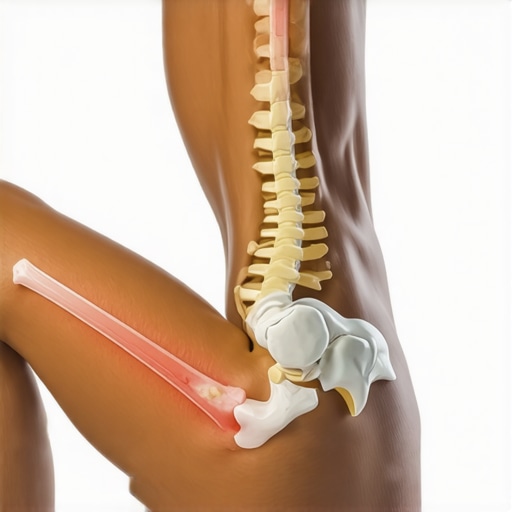 Many believe that simply stretching daily or maintaining a perfect seated posture is enough to prevent back pain, but the truth is far more complex. A common misconception is that static posture really matters—that staying still in a ‘good’ position is the key. While initial adjustments can help, overreliance on static positioning can create a false sense of security and lead to neglecting dynamic movement strategies essential for long-term spinal health. As expert Dr. Stuart McGill explains, the spine is designed for movement, and variability is crucial to prevent degenerative changes and nerve impingements. Neglecting this nuance is one of the biggest pitfalls I see among patients trying to manage their back pain. Another trap is assuming that all mobility exercises are equal. Not all movements target the root causes of issues, especially if performed incorrectly or without understanding individual biomechanics. For example, aggressive stretching of hip flexors without strengthening opposing muscles can worsen balance and contribute to anterior pelvic tilt, which aggravates sciatic nerve stress. It’s vital to approach mobility with a personalized plan and advanced understanding. Here’s a common myth I want to bust: that pain-free mobility routines mean you’re automatically improving your back health. Often, it’s about the quality, not just the quantity, of movement—especially avoiding compensations that can actually reinforce bad habits. For instance, during functional movements, overusing lumbar flexion under load can lead to disc degeneration over time. Instead, focus on controlled, mindful movements that enhance stability and flexibility simultaneously. Curious about how to tailor your mobility to avoid these pitfalls? Check out master your mobility strategies to optimize your routines. Now, addressing posture—it’s tempting to believe that correcting a slouch instantly relieves pain. But static correction without considering the body’s natural movement patterns is often ineffective and can even cause discomfort. For example, overly rigid postural routines may restrict natural spinal motion, leading to unintended stress on adjacent tissues. A more nuanced approach involves dynamic posture adjustments, integrating movement and alignment, which is proven to be more effective in long-term pain relief (see simple adjustments for better posture). Remember, no single fix works for everyone—what matters is understanding the intricate balance of mobility, stability, and movement variability. Have you ever fallen into this trap? Let me know in the comments. To truly master these nuances, consider consulting a specialist who can help craft a personalized mobility and posture plan that addresses your specific needs and prevents future setbacks.Maintaining the gains you’ve made through mobility exercises and posture adjustments requires the right tools and a sustainable plan. Personally, I rely on a combination of ergonomic accessories and technology to ensure ongoing support. For example, I swear by an adjustable standing desk that allows me to switch positions frequently—this helps prevent stiffness and promotes movement variability, crucial for long-term spinal health. Additionally, incorporating mobility tools like foam rollers and massage balls into your routine can deeply relieve muscle tightness that often hampers progress.
A key piece of equipment I recommend is a set of resistance bands. They’re versatile, affordable, and excellent for strengthening supporting muscles without the need for a gym. I use them regularly for targeted exercises that reinforce stability around the hips and lower back, supporting sustained improvements.
From a software perspective, apps that prompt movement reminders or guide you through mobility routines can be game-changers. I personally use a reminder app to prompt hourly movement checks, which has helped me avoid prolonged static postures—something widely supported by spinal health research. According to a study published in the Journal of Physical Therapy Science, consistent micro-movements are critical for maintaining spinal health and preventing chronic pain.
Looking ahead, I believe the trend will shift toward more personalized, tech-integrated solutions—think smart mats that analyze your movement patterns and offer real-time feedback. This personalized approach will ensure you’re targeting the right areas consistently, maximizing your long-term results.
How do I maintain these habits over time? The secret is creating a system that fits seamlessly into your daily routine. Set specific goals, like performing mobility drills with resistance bands for five minutes each day, and use digital tools to track your progress. Regularly consult resources such as these expert tips to stay updated on innovative techniques. Remember, consistency beats intensity, especially when it comes to posture and mobility. To deepen your commitment, consider reaching out for personalized guidance—visit our contact page to start your journey today. Implementing these tools and strategies will keep your mobility working for you long-term, helping you avoid setbacks and scale your improvements effectively.
What I Wish I Knew About Moving Smarter
One of the hardest lessons I learned was that quick stretches aren’t enough—they need to be part of a comprehensive mobility plan. I used to think that stubborn posture wouldn’t be a big deal, but it silently sabotaged my progress. The biggest revelation was understanding that variability in movement keeps the spine healthy; static positions breed stiffness and pain. Accepting that consistency and mindful adjustments matter more than quick fixes transformed my approach to back health.
Tools That Kept Me Going
Over time, I discovered certain tools made my mobility journey sustainable. Resistance bands, for example, provided strength without bulk, helping me build supporting muscles safely. Foam rollers offered deep muscle relief, especially after long days at a desk. My secret weapon was a standing desk that I could easily switch between sitting and standing—I can’t overstate how crucial movement variation is. These resources became integral to maintaining long-term relief and preventing setbacks.
Find Your Spark: Embrace the Change
Remember, improving your back health isn’t about immediate perfection—it’s an ongoing journey. Your body responds best when you commit to small, consistent actions that fit into your daily routine. The moment you start valuing mindful movement and listening to your body’s signals, you’ll see progress that lasts. I invite you to take the first step today—your future self will thank you. Curious—what’s one small mobility tweak you’re ready to try starting now? Share below, and let’s inspire each other to move better every day.