
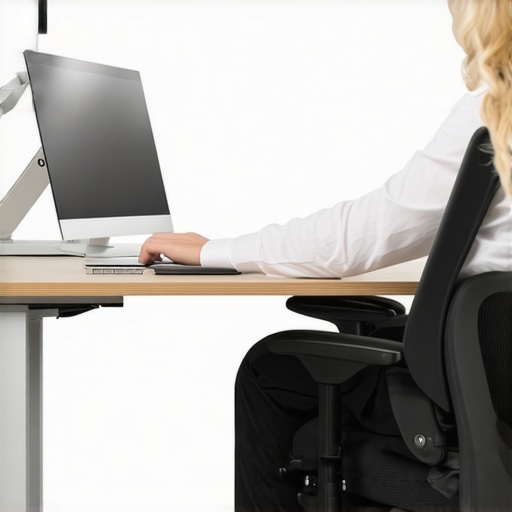
It was just another ordinary Tuesday when I felt that sharp twinge in my lower back during a long work session. I had been leaning forward, trying to decipher my screen, and suddenly, I was hit with a wave of discomfort that made me realize: my office setup was silently betraying my back. Sound familiar? If you’ve ever experienced that nagging ache after a day at your desk, you’re definitely not alone. Early on, I made the mistake of ignoring my posture, telling myself it was just fatigue—little did I know, those small habits were setting me up for bigger issues.
Why Your Office Chair Could Be Trashing Your Back
Modern office chairs promise comfort, but if you’re not careful, they can do more harm than good. Sitting for hours, especially on an unsupportive chair, can lead to chronic back pain, stiffness, and even more serious musculoskeletal issues. The problem isn’t always the chair itself; often, it’s how we use it. Poor posture, lack of movement, and neglecting simple adjustments contribute to sitting-induced pain that can linger for years.
Is Your Office Setup Actually Making Things Worse?
In my early days, I believed that just buying an ergonomic chair was enough. Turns out, I was wrong. I’d sit for extended hours, slouch, and neglect basic tweaks—mistakes I now realize were common but avoidable. Interestingly, according to a study published by the Mayo Clinic, poor ergonomic habits can be a leading cause of back pain among office workers. The good news? Small, deliberate adjustments can make a huge difference. If you’ve faced this problem, don’t worry—there are straightforward tactics you can implement today to start protecting your back.
Start With Your Seat Position
Set your chair height so your feet flat on the ground and knees at a 90-degree angle. Think of your chair as a throne—adjust it so you’re king or queen of comfort. I once ignored this step and ended up with a sore lower back after a few hours, but after I adjusted my seat height, the pain dissipated within minutes. Use a visible level or a book to help align your hips properly.
Align Your Screen and Keyboard
Position your monitor so the top is at eye level; imagine your screen as a movie scene at eye height. Your keyboard should be directly in front, allowing your arms to rest naturally at your sides. When I tried working with my monitor too low, I found myself leaning forward frequently. Elevating my screen and aligning my keyboard created a natural, relaxed posture, reducing neck and back strain. Learn more about ergonomic adjustments.
Micro-Adjust Your Posture Regularly
Apply small, frequent tweaks to your sitting position—think of it as fine-tuning a musical instrument. Every 15-20 minutes, shift your posture slightly: lift your chest, relax your shoulders, or adjust your seat. I found that setting a timer helped me stay conscious of these micro-movements, which prevented stiffness and pain. Incorporate this habit into your routine to keep your spine flexible and healthy.
Incorporate Movement Breaks
Stand up and stretch or walk around for at least 5 minutes every hour. Visualize your spine as a garden that needs watering—regular movement keeps it thriving. Once, during a long work session, I ignored breaks and paid the price with a sharp dull ache. By scheduling brief walks, I not only reduced discomfort but also boosted my focus. For targeted mobility tips, explore expert mobility strategies.
Use Supportive Cushions and Accessories
Invest in lumbar rolls or cushions to support the natural curve of your lower back. Think of it as a sling for your spine, holding it in proper alignment. I experimented with different cushions until I found one that felt just right, which significantly reduced my pain during long hours. Don’t settle for generic cushions—customize your support for optimal relief and comfort.
Practice Active Sitting
Engage your core muscles while sitting—imagine preparing for a gentle punch to your stomach, engaging your abdominals without strain. This subtle activation maintains spinal stability. I incorporated simple core exercises into my day and noticed a marked decrease in back fatigue. Active sitting keeps the muscles involved, reducing reliance on passive support. Discover more movements at mobility mastery tips.
Many people assume that maintaining a perfect, rigid posture is the key to prevention, but in reality, this belief can do more harm than good. The idea that you must hold yourself perfectly upright at all times often leads to stiffness, muscle fatigue, and even increased discomfort. Instead, embracing a nuanced approach that includes dynamic movement and micro-adjustments promotes better spinal health. A common myth is that static posture correction is enough; however, recent studies underscore the importance of variability and movement in maintaining mobility and reducing pain. Overcorrecting to achieve ideal posture can trap you in tension, making muscles stiff and joints less adaptable. For example, clinging to an ‘ideal’ seated position all day can hinder the natural flexibility of your spine, preventing healthy mobility and recovery. To avoid this trap, incorporate regular, deliberate movements and listen to your body’s signals—being too rigid might restrict your body’s natural ability to adapt and heal.
What advanced strategies can help optimize posture without rigidity?
Research by Dr. Stuart McGill emphasizes the importance of variability in spinal loading, advocating for controlled movement to build resilience. By varying your position and engaging different muscle groups, you create a resilient, adaptable spine. This is especially crucial for those who spend long hours at a desk, as staying static can lead to joint stiffness and muscle weakness. Instead, consider integrating gentle mobility exercises, such as targeted stretches and dynamic postures, into your routine. For instance, simple lumbar rotations or shoulder rolls can alleviate strain and promote fluidity. Additionally, understanding that small, frequent adjustments—like shifting your pelvis or relaxing your shoulders—are more effective than prolonged static positions can dramatically improve your back health. These micro-movements keep the tissues healthy and prevent the stagnation that promotes pain and discomfort.
If you want to delve deeper into smart adjustments tailored for your daily routines, explore daily adjustment techniques. Remember, the goal isn’t perfection but creating an environment for your spine to thrive through movement and flexibility.
Protect yourself from common pitfalls and embrace a more sophisticated, movement-oriented approach. Have you ever fallen into this trap? Let me know in the comments, and don’t forget to check out our contact page if you’re ready to optimize your posture today.
Once you’ve established solid habits and made the necessary ergonomic adjustments, maintaining your progress over the long term becomes crucial. Having the right tools at your disposal can make this ongoing process more manageable and effective. I personally rely on a combination of advanced equipment and software that not only support my posture but also help me monitor and refine my habits daily.
Personalized Posture Monitoring Devices
One game-changer I advocate is using bio-tracking technology like the 2026 bio-tracker. This device provides real-time feedback on your spinal alignment, alerting you when you revert to poor posture. Unlike generic reminders, these trackers are personalized and can adapt to your specific movement patterns, making them invaluable for long-term adherence.
Adjustable Sit-Stand Desks with Smart Features
While traditional sit-stand desks are helpful, I recommend investing in models with programmable heights and integrated reminders. For example, ergonomic tech like the AI-enabled standing desks ensures you alternate positions at optimal intervals. Over time, this reduces the risk of stiffness and back pain caused by static postures. The ability to seamlessly switch between sitting and standing, supported by smart prompts, encourages healthier movement patterns.
Mobility and Flexibility Apps
Maintaining mobility requires consistent stretching and movement. I personally use mobility-focused apps that guide me through tailored routines designed to counteract daily desk stress. These apps often include embedded timers, reminders, and progress tracking—making it easier to stay committed and see results over months.
Why Consistency Matters and How to Streamline It
Incorporating these tools creates a feedback loop—helping you identify bad habits early and reinforcing good ones. Prediction for future developments indicates that biofeedback and AI integration will become even more seamless, offering ultra-personalized support. For now, I suggest starting with a bio-tracker, leveraging smart adjustable desks, and integrating mobility apps into your daily routine. Try setting a timer to remind yourself to perform micro-adjustments every 15 minutes—small, consistent actions lead to durable change.
How do I keep my posture practices sustainable over time?
Regularly review your tools and habits. For example, revisit your bio-tracker data weekly to notice patterns or triggers. Make incremental adjustments based on insights. Remember, the goal isn’t perfection but creating a life where movement and posture are part of your natural rhythm. This approach not only reduces pain but also enhances mobility, strength, and overall well-being. If you’re ready to deepen your commitment, check out daily adjustment techniques to keep your progress on track.
The Hardest Lesson I Learned About Posture, Back Pain, Mobility, Adjustments
One of the most revealing lessons I encountered was realizing that perfection isn’t the goal—flexibility and adaptability are. I used to believe that holding a rigid, upright posture constantly was the key to preventing back issues, but that approach often led to muscle stiffness and frustration. Over time, I discovered that incorporating gentle micro-movements and embracing natural variances in my position actually strengthened my spine and reduced discomfort. This shift taught me that listening to your body and making subtle adjustments is more effective than forcing an ideal posture all day.
The Resources That Changed My Approach to Back Health
I’ve come to rely heavily on specific tools and trusted sources that reinforce sustainable habits. For instance, this comprehensive guide offers practical tips that demystify ergonomic tweaks, making them accessible and easy to implement. Additionally, mobility apps help track my progress and remind me to stay active, which has transformed my daily routine. Finally, investing in a bio-tracking device like the smart bio-tracker provided invaluable real-time feedback, making me more conscious of my posture and movements.
Embrace the Journey: Your Posture Evolution Starts Now
Remember, improving your posture and back health isn’t about chasing perfection overnight—it’s about cultivating awareness, making consistent small changes, and staying curious about what your body needs. The path to a pain-free, more mobile life is a continuous process, but every step counts. Take that first micro-adjustment today, explore new tools, and commit to your well-being. Your back will thank you for it. So, what’s the first small change you’re going to try? Share your plan below and let’s support each other in this journey toward better movement and less pain.
,