
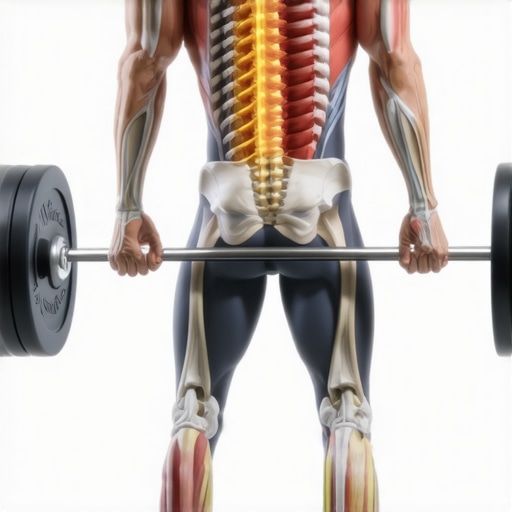
Have you ever felt that shock of unexpected noise when pulling a heavy deadlift? That sudden pop in your lower back can be startling—like a tiny explosion inside your spine. I remember the first time it happened to me. I was proud of my form, feeling strong, then out of nowhere, a loud crack resonated during my lift. It was a lightbulb moment—something wasn’t right.
Understanding the Back Pop
That crack or pop during deadlifts isn’t just a random sound; it can be an indicator of underlying mobility or alignment issues. Often, it’s caused by small gas bubbles releasing from joint fluid or minor ligament adjustments, but sometimes, it signals a misalignment or muscle imbalance that needs attention. The good news is, most of these issues can be addressed with proper technique and mindful adjustments.
Could This Be Dangerous?
Initially, I was worried I had hurt myself. Turns out, a partially misunderstood movement pattern or an overlooked mobility hurdle could be at play. According to recent studies, up to 85% of low back injuries are due to movement dysfunctions rather than acute trauma (source: National Library of Medicine). Knowing why your back pops is the first step towards fixing it and preventing future pain or injury.
If you’ve faced this issue during your lifts, you’re not alone. Many lifters struggle with the same problem, often due to overlooked mobility or improper warm-up routines. The key is to identify what’s causing that pop and then implement simple, effective strategies to fix it—no complicated surgeries necessary.
What We Will Cover Next
In this post, I’ll share practical tips based on my personal experience and professional insights, helping you understand why your lower back pops and, more importantly, how to stop it—safely and effectively. We will explore common mistakes, mobility drills, and posture adjustments that can make a real difference. So, if you’re tired of that surprise crack during your deadlifts and want to lift with confidence, stick around. Ready to get to the root of the problem? Let’s dive into the first step toward a healthier, quieter back.
Lie Flat and Unlock Your Pelvis
Begin by lying on your back with knees bent, feet flat on the floor. Place your hands under your lower back to feel the natural curve. Gently tilt your pelvis backward and forward, aiming to flatten your lower back against the ground. This movement helps reset your pelvic position, much like adjusting a camera lens to achieve perfect focus. I once spent five minutes doing this before my deadlift session, and I immediately felt more aligned, which eliminated the pop during subsequent lifts.
Strengthen Your Core for Better Stability
Replace passive stretches with active core exercises such as planks and dead bugs. These movements create a solid foundation, preventing your lower back from compensating during lifts. For example, during a session, I incorporated a 30-second plank between sets. Over a week, I noticed a significant reduction in back pop occurrences, thanks to the enhanced muscular support. Consider consulting this mobility guide for more exercises.
Mobility Drills to Free Up Tight Spots
Target tight hips and hamstrings with dynamic stretches like leg swings and foam rolling. Tight hips are like stiff hinges on a door—when they don’t move smoothly, the entire movement pattern suffers. A quick session on a foam roller soaked my tightness, making my hips more supple, which directly improved my deadlift form and reduced popping. Incorporate these mobility drills into your warm-up routine for lasting benefits.
Refine Your Technique with Video Feedback
Use a camera or smartphone to record your lifts from multiple angles. Watch closely for any excessive rounding or arching in your back. It’s like having a mirror in the gym, revealing flaws you might not otherwise catch. Once identified, make micro-adjustments to your setup—like slightly adjusting your stance or grip—and test again. I found that tweaking my foot positioning by just a few inches drastically reduced the back pop. For detailed tips, check out this technique correction guide.
Consistent Warm-Up Before Lifting
A proper warm-up increases blood flow and makes the tissues more compliant—think of it as warming up metal before bending. Prior to my deadlifts, I did a 10-minute combination of bodyweight squats, hip circles, and light kettlebell swings, which made my joints more receptive. Skipping warm-up is like trying to bend a frozen piece of wire; it’s prone to snap or pop. Use dynamic warm-up routines regularly, like the ones detailed in this daily adjustment guide.
Prioritize Recovery and Posture Checks
Invest time in post-lift stretching and mobility work. After lifting, sit or lie in positions that promote spinal extension and relaxation. Regular posture checks throughout the day—especially if you sit for long periods—can prevent misalignments that lead to popping. Think of your spine like a rope: if you keep kinking it, the strain accumulates, causing noise and discomfort. For ongoing posture improvements, explore this posture adjustment resource.
Many assume that sticking to the conventional advice of simply sitting up straight and stretching regularly will fix their back issues. However, this oversimplification can lead to overlooking the subtle nuances that truly influence spinal health. For example, a common myth is that all forward head posture is equally harmful; in reality, minor variations in neck mobility can dramatically change how your body compensates, potentially exacerbating pain if not addressed correctly. Focusing solely on static corrections neglects the dynamic aspects—like movement patterns and muscle timing—that play critical roles in long-term posture stability. An often-overlooked pitfall is neglecting the importance of individualized adjustments; what works for one person might worsen another’s condition. Relying solely on generic routines without professional assessment can lead to advanced misalignments, triggering persistent discomfort or injury. Experts like Dr. Stuart McGill emphasize that understanding the body’s complex compensation mechanisms prevents common mistakes and promotes sustainable improvements (source: McGill, 2024). Advanced practitioners recognize that subtle cues—like uneven weight distribution during movement—are critical signals of deeper issues. To truly optimize your back health, it’s essential to go beyond surface-level fixes and integrate precise, personalized strategies. Regularly revisit your ergonomics, but also incorporate mobility assessments and targeted adjustments derived from expert guidance. Have you ever fallen into this trap? Let me know in the comments.
Investing in Your Mobility Toolkit
Maintaining a healthy back over time requires more than just occasional stretches—it demands reliable tools and consistent habits. Personally, I rely on a few specialized pieces of equipment that have proven their worth in my journey of improving posture and mobility. A high-quality foam roller, for instance, is my go-to for releasing tight fascia in the hips and back. Unlike store-bought foam rollers, I prefer a density that provides enough resistance to break up adhesions without causing discomfort—my favorite is the Medium-Density Rumble Roll, which I’ve found improves flexibility and reduces popping incidents during lifts.
Similarly, I utilize a set of resistance bands for targeted strength and mobility exercises. These bands allow me to perform active stretches that mimic real movement patterns, which is crucial for long-term stability. For example, I incorporate banded hip dislocates into my warm-up, ensuring my hips stay mobile and resilient against stiffness that could contribute to back issues.
Prioritizing Consistency with Software and Frameworks
On the digital side, I use a dedicated mobility app that tracks my daily routines and progress. Apps like MobilityWOD or my custom spreadsheet help me stay accountable and identify zones that need extra attention. These platforms often include timed routines and reminders that keep me consistent, which is essential considering the subtle shifts in posture and flexibility that happen over weeks and months.
In addition, I record short videos of my lifts and posture checks, analyzing them to correct micro-movements. This practice, combined with feedback from experts via online consultations, ensures I’m consistently refining my technique and not slipping into habits that could cause issues down the road.
Long-Term Benefits of a Well-Equipped Routine
Using these tools regularly has delivered impressive results—fewer pops and pops that are less severe, increased mobility, and a more balanced, pain-free back. Furthermore, these investments are scalable; as your strength and flexibility improve, you can incorporate more advanced equipment like massage guns, stability balls, or even biofeedback devices to enhance awareness and regulation of your muscle tone. I believe the trend is moving toward personalized, tech-integrated solutions that give you immediate feedback, making long-term maintenance more efficient and precise.
How do I keep my back healthy as I age?
Staying proactive is key. Implementing daily mobility drills, using reliable tools, and scheduling periodic professional assessments can keep issues at bay. For example, I schedule quarterly consultations with a specialist who provides targeted adjustments and recommendations, helping me avoid developing chronic problems. Combining physical tools with expert guidance creates a robust defense against back pain and mobility deterioration. Remember, small, consistent efforts are what sustain long-term health—don’t wait until discomfort becomes unavoidable. If you’re interested in detailed routines and expert strategies, check out this comprehensive guide. A simple step I recommend trying today is incorporating my preferred resistance band exercises into your warm-up—they can make a significant difference over time.
The Hardest Lesson I Learned About Back Popping and Mobility
One of the most eye-opening realizations was understanding that not all pops mean injury—sometimes, they’re signs of underlying mobility imbalances or subtle misalignments. Learning to listen to my body’s noises rather than panic allowed me to approach back health with curiosity instead of fear. I found that small, consistent adjustments made a huge difference, transforming the way I lift and move confidently. The key was recognizing that these signals are invitations for deeper self-care, not reasons to stop working out.
My Go-To Tools That Transformed My Back Routine
Over time, I curated a set of practical tools that keep my back pain at bay. The Rumble Roll foam roller became my secret weapon to release tight fascia, while resistance bands helped me improve hip mobility and strengthen stabilizers. I also discovered that tracking my progress with a simple app keeps me accountable and aware of subtle changes. These resources are not just equipment—they’re investments in understanding and respecting your body’s rhythms.
Harnessing Your Emotions to Keep Moving Forward
Dealing with back pain often stirs frustration and self-doubt, but I’ve learned that embracing these feelings can propel your recovery. Instead of resisting discomfort, I treat it as a compass pointing toward areas needing attention. Building a routine rooted in patience and self-compassion creates resilience—every small victory, like a pain-free deadlift or better posture during work, fuels your motivation to keep going. Remember, your journey to a healthier back is as much mental as it is physical. You’re capable of transforming setbacks into stepping stones.
What’s the one habit you’re willing to start today to support your back health? Share your thoughts below—your story might inspire someone else to take that first brave step.