I remember the moment I finally recognized my struggle with tech neck. It wasn’t a dramatic injury or a sudden pain; it was a dull, persistent ache creeping into my shoulders after long hours at my computer. One evening, as I looked into the mirror, I noticed my head tilting forward, my posture collapsing under the weight of a thousand text messages and endless scrolling. That lightbulb moment made me realize: I was neglecting something essential—my daily posture habits.
If you’ve ever felt that tightness in your neck or a foggy back sensation after a day of work or screen time, you’re not alone. It’s surprisingly common, yet often ignored or underestimated. The truth is, fixing tech neck isn’t about complicated gadgets or expensive treatments; it’s about simple, consistent daily routines that can transform how you feel and move.
Today, I’m here to share the four posture habits I’ve adopted—and that actually make a difference. These aren’t gimmicks. They’re practical adjustments I’ve tested, refined, and now swear by to keep my spine aligned, my pain at bay, and my energy levels higher.
Ready to reclaim your comfort? Let’s dive into habits you can start today to combat that stubborn tech neck and boost your overall mobility.
Why Your Posture Matters More Than You Think
Good posture isn’t just about looking confident; it’s about preserving your health and preventing pain. When I first ignored my tech habits, I didn’t realize how quickly tiny misalignments could snowball into chronic issues. According to recent studies, poor posture can contribute to headaches, reduced lung capacity, and even depression due to discomfort and decreased mobility. That’s why making these small daily changes is a game-changer—your body will thank you for it.
Ever Faced This Problem? Reach Out for Help
If you’ve felt the relentless tightness in your neck or the dull ache in your upper back, I get it. I made a mistake early on by dismissing these signs as temporary. But ignoring them only worsened my condition, leading me to seek guidance from professionals who showed me simple, effective postural adjustments. You can learn more about effective strategies by exploring how to powerfully adjust your posture for lasting relief.
Stay tuned, because in the next section, I’ll walk you through each habit—tested, proven, and ready to integrate into your daily routine—to help you overcome tech neck once and for all.
Align Your Screen and Desk
Set your monitor so that the top of the screen is at eye level, about 2-3 inches above your eye line. Imagine balancing a cup of coffee on your head—if your neck tilts forward, the cup tips over. Take a moment to adjust your chair or elevate your laptop with a stand. Yesterday, I spent 10 minutes repositioning my workspace, and I immediately felt less neck strain. Proper alignment prevents your head from jutting forward, reducing unnecessary stress on your cervical spine.
Practice Micro-Breaks and Movement
Every 30 minutes, stand up, stretch, or walk around for at least one minute. Think of your spine as a garden hose—constant pressure creates kinks; movement keeps it flowing. I set a timer on my phone to remind me, and during those breaks, I perform simple neck rolls and shoulder shrugs. These micro-movements loosen tight muscles and improve circulation, preventing stiffness that snowballs into pain.
Incorporate Spinal Mobility Exercises
Integrate gentle spinal twists and shoulder blade squeezes into your routine. For instance, sit upright, clasp your hands behind your back, and gently lift your arms while squeezing your shoulder blades together. This is like tuning an old guitar—small adjustments make the whole instrument resonate better. I tried this during a particularly long workday, and within minutes, my upper back felt looser, and my neck stress reduced.
Maintain Proper Posture Habits Throughout the Day
Be conscious of your posture, like a navigator steering a ship. Keep your chest open, shoulders relaxed, and neck aligned with your spine. When I caught myself slouching, I paused and reset, imagining my spine as a straight rod rather than a bent stick. Over time, this awareness reinforces healthier habits, making good posture second nature and decreasing the risk of chronic pain. For more detailed adjustments, refer to effective back pain adjustments.
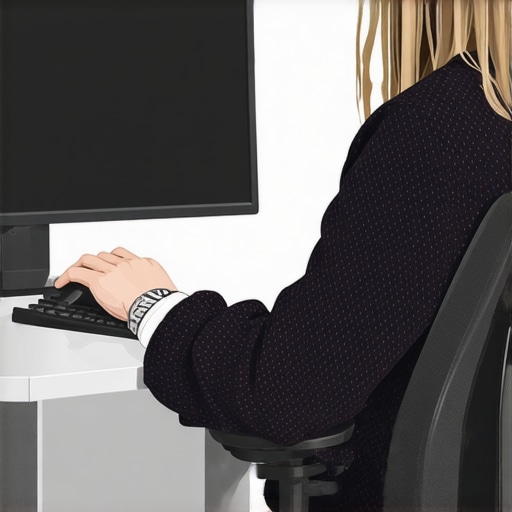 Many believe that quick fixes or superficial adjustments fix back pain and posture issues, but the truth is far more complex. In my experience, most people overlook the subtleties that make a significant difference—that is, the nuanced factors that often sabotage well-intentioned efforts. For example, a common myth is that only extreme misalignments cause pain, while in reality, small, persistent imbalances accumulate over time and lead to chronic issues. Recognizing these micro-movements and subtle posture habits can be the key to long-term relief.
Another advanced mistake is relying solely on passive treatments like foam rolling or stretching without addressing underlying structural or movement pattern faults. Think of it like trimming just the leaves on a weed: the root remains, and the problem recurs. A comprehensive approach involves understanding the interplay between mobility, alignment, and muscular imbalances. Proper adjustments, combined with movement strategies, can prevent a cycle of pain and discomfort.
What Do Experts Really Say About Posture Correction
Research indicates that precision in adjustments and personalized strategies outperform generic routines. A study published in the Journal of Bodywork and Movement Therapies emphasizes the importance of targeted spinal mobilizations tailored to individual biomechanics. It challenges the common misconception that one-size-fits-all solutions are enough, urging practitioners and patients alike to focus on specific, nuanced corrections. This approach minimizes the risk of maladaptive compensation patterns that can worsen discomfort over time.
Additionally, beware of the trap of ‘shortcut’ solutions—like trying to ‘fix’ everything with a single adjustment or misinterpreting the significance of posture alignment. For instance, overcorrecting without considering the body’s natural curves can create new issues, including nerve compression or muscle strain. Regularly consulting qualified professionals and staying informed about biomechanical principles is vital. You might explore my dedicated guide on effective adjustments for lasting back pain relief to deepen your understanding.
Further, integrating functional movement assessments helps identify how habitual activities contribute to misalignments. Being aware of how everyday habits reinforce poor posture prevents regression and fosters sustainable improvements. For example, workplace ergonomics often get attention, but underlying movement patterns during daily chores or exercise routines can be equally impactful. Remember, small, consistent improvements—like ensuring your hips, shoulders, and head are aligned—not only alleviate existing pain but also build resilience against future discomfort.
In summary, the key lies in understanding and addressing the micro-nuances that influence posture and pain. Recognizing these hidden details allows for more effective, personalized interventions that promote genuine, lasting change. As always, I recommend engaging with qualified professionals to tailor solutions that work specifically for your biomechanics. Have you ever fallen into this trap? Let me know in the comments.Achieving sustainable improvements in posture and mobility requires more than just understanding correct alignment—it demands the right set of tools and habits to support long-term results. One of my favorite adjustments involves using a quality ergonomic chair combined with a sit-stand desk converter, which allows me to switch positions throughout the day, reducing strain and fostering movement. I personally rely on a lumbar support cushion; it provides immediate relief during long working hours by maintaining proper spinal curvature. Moreover, incorporating an ergonomic mouse and keyboard minimizes repetitive strain, preventing the micro-movements that often lead to discomfort. Smart posture apps, like ‘Upright GO,’ offer real-time feedback, alerting me when I slouch and prompting quick corrections; I find these digital nudges invaluable for maintaining awareness. For mobility enhancement, tools like foam rollers and resistance bands are indispensable. I use a small foam roller on my upper back daily to release muscle tightness, while resistance bands help in strengthening postural muscles and improving flexibility. Looking ahead, I predict that wearable technology integrated with AI will revolutionize posture management, offering personalized, adaptive feedback based on real-time data. This evolution will make proactive adjustments more intuitive, empowering everyone to keep their posture in check effortlessly.
How do I maintain posture and mobility tools over time?
Regularly assessing and updating your equipment is key. Replace worn-out cushions or bands and recalibrate digital tools to ensure they continue to serve their purpose effectively. Establish a routine to clean and inspect your gear, ensuring hygiene and functionality are maintained. By integrating these tools into daily practice and staying mindful of their condition, you create a sustainable system for ongoing health. If you’re interested in optimizing your posture further, explore my detailed guidance on adjustments for better posture and back relief. Remember, consistency is crucial—making these tools a part of your daily routine transforms temporary fixes into lasting habits. To get started, try incorporating a smart posture reminder device into your workspace today and experience the difference it makes in maintaining spinal health.
The Hardest Lesson I Learned About adjustments,posture,mobility,back pain
One of my biggest realizations was that quick fixes often lead to temporary relief but never address the root cause. I used to rely solely on stretches or ergonomic setups without improving my movement patterns, which resulted in recurring pain. The hard lesson was understanding that long-term health depends on consistent, nuanced adjustments tailored to my body’s unique needs, not just superficial fixes.
3 Myths About adjustments,posture,mobility,back pain That Held Me Back
The first myth was believing that posture correction was solely about standing tall—truth is, it’s about *balance* and *movement*, not just mirror-perfect alignment. The second was that discomfort equals damage—sometimes, pain is just a signal to refine our habits. The third was thinking only chiropractors can fix these issues—there’s immense value in learning self-awareness and daily micro-movements. Challenging these myths opened my eyes to more effective, natural solutions.
What Experts Won’t Tell You About adjustments,posture,mobility,back pain
Many professionals emphasize perfect alignment, but what’s often overlooked is **personalized movement patterns** and **individual biomechanics**. Generic routines can sometimes do more harm than good if they don’t consider your specific habitual stresses. I discovered that combining professional adjustments with conscious, daily mobility practices yields the best results, something even many experts don’t highlight enough. This layered approach is my secret to staying pain-free.
My Essential Toolkit for better posture and back relief
I swear by a few key tools: a high-quality lumbar support cushion, ergonomic keyboard and mouse, and a sit-stand desk converter which I use to keep myself moving. A smart posture reminder app like Upright GO keeps me mindful of slouching—simple, yet so effective. Foam rollers and resistance bands help me maintain muscle flexibility and strength. These tools allow me to sustain progress beyond quick fixes and integrate healthy habits seamlessly into everyday life.
Where to Go from Here
If you’re ready to make lasting changes, dive into detailed guides on effective back pain adjustments or explore my recommended strategies for improving mobility naturally with expert tips. Remember, your journey to pain-free, effortless movement is ongoing. Small, consistent steps compound into remarkable transformations, so stay committed to this path of mindfulness and regular care.
Keep Moving with Confidence
Achieving a pain-free, мобильное future is within your reach—it’s about embracing every small adjustment and trusting that your body can adapt and thrive. Don’t wait for pain to worsen before acting; start today with the habits and tools that feel right for you. Your healthier, more mobile life begins now—take the first step and see how quickly you can regain control over your comfort and movement.
Reading this post really resonated with me because I used to take my posture for granted during long workdays at my home office. Adjusting my monitor to eye level and taking micro-breaks has made a noticeable difference not only in neck comfort but also in my overall productivity. The tip about doing gentle spinal twists is something I’ve started incorporating, and it surprisingly helps me stay more relaxed throughout the day. I’ve found that consistency is key—small habits over time really add up and prevent pain from sneaking in. What’s been the most effective habit for others in really integrating these movements into a busy schedule? I’d love to hear more personal experiences on how these habits have helped others stay pain-free long-term.