
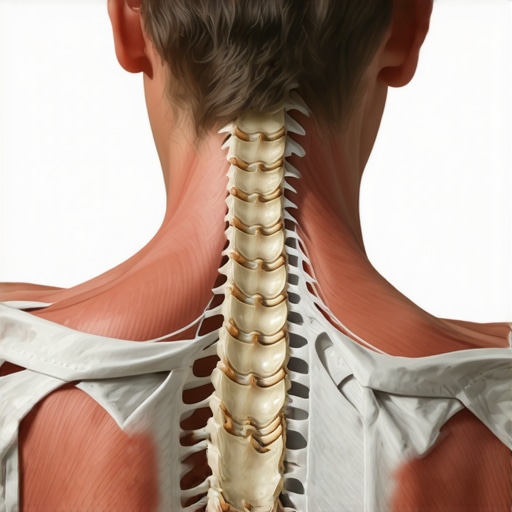
It was a morning just like any other, but as I sat down at my desk, a sharp pang shot through my neck. I caught myself tensing up, trying to side-slide into a more comfortable position, only to realize—I had been neglecting my core more than I thought. That fleeting moment of discomfort turned into a lightbulb: my persistent neck pain was connected to something I’d overlooked—my weak core.
Many of us focus relentlessly on stretching or adjusting our necks, but often miss the underlying issue: the strength and stability of our core muscles. Without a solid foundation, even the tiniest misalignments in your spine can get amplified, resulting in chronic neck tension, headaches, and a feeling of constant fatigue.
Today, I want to share with you how a compromised core can silently sabotage your neck and what simple, effective steps you can take to start reclaiming your posture.
Your Core Could Be the Missing Piece to Neck Comfort
Is Your Core Actually Weakening Your Neck Without You Realizing?
Engage Your Deep Abdominal Muscles
Start with foundation-building exercises like the plank. Lie face down, then lift your body onto your forearms and toes, keeping your core tight and back flat. Focus on drawing your navel toward your spine without holding your breath. I remember struggling with this during my first attempt; initially, my hips sagged, but with persistence, my muscles learned to stabilize my spine. Consistently practicing this move helps create a sturdy core that supports your neck and spine, reducing undue strain.
Incorporate Controlled Breathing
Breathing isn’t just about oxygen; it’s about activating your core. Try diaphragmatic breathing: place one hand on your chest and the other on your belly. Inhale slowly through your nose, expanding your belly, then exhale fully through your mouth. When I first practiced this during a busy day, I noticed my tension easing and my posture improving. This technique encourages proper intra-abdominal pressure, giving your core a reliable support system that keeps your neck aligned and less prone to tension.
Practice Dynamic Stability Moves
Move into exercises that challenge your core dynamically, like bird-dogs. On all fours, extend your right arm forward and your left leg back, maintaining a neutral spine. Hold briefly, then switch sides. During my initial attempts, coordination was messy, and balance was off, but over time, my stabilizer muscles strengthened. Doing these regularly enhances your overall control, preventing your neck from compensating for a weak core during daily movements or while working at your desk.
Focus on Postural Alignment through Micro-Adjustments
Throughout the day, make tiny adjustments to maintain proper spinal alignment. For example, when sitting, gently tuck your chin slightly, engage your core, and keep your shoulders relaxed. I found that setting reminders to check my posture every 30 minutes significantly reduced my neck discomfort. These micro-movements reinforce the neuromuscular pathways that support good posture, making long-term habits easier to sustain and ultimately relieving persistent neck tension.
Integrate Mobility and Flexibility
Complement core strengthening with mobility exercises like thoracic twists. Sit upright and cross your arms over your chest, then rotate your upper body from side to side. Initially, my thoracic spine felt stiff, and rotating was painful, but with consistent practice, my back became more fluid, allowing my core to work more effectively. Improved mobility helps prevent compensatory patterns that strain your neck, ensuring your entire spine moves harmoniously.
Stay Consistent and Mindful
Progress takes time. Every day, dedicate brief sessions to these exercises, gradually increasing duration and intensity. During one particularly hectic week, I skipped a few days and quickly noticed my neck pain creeping back. Re-establishing a routine was tough at first, but persistence paid off. Building core strength isn’t about quick fixes; it’s about consistent effort that forms habits, ultimately creating a resilient structure that supports your neck and minimizes discomfort.
Many people believe that correcting posture is solely about adopting the perfect position or relying on gimmicky devices, but in my experience, this approach often misses the nuanced truth. One prevalent misconception is that postural adjustments are static fixes; however, our bodies are dynamic systems that require ongoing, mindful micro-adjustments to maintain optimal alignment. Relying exclusively on postural braces or rigid Maintaining your corrected posture and mobility requires the right tools and a strategic approach. One device I personally rely on is the *PostureCoach*, a smart wearable that monitors spine alignment and provides real-time feedback. I use it during daily routines and workouts, as it helps me stay conscious of micro-adjustments throughout the day, preventing the regress that often follows inconsistent efforts. Another essential tool is a *foam roller*, specifically the smaller, dense varieties, which I incorporate into my mobility warm-ups and post-exercise cooldowns to release tension and improve tissue elasticity. The *Massage Ball* is also invaluable; I use it to target tight spots in my thoracic spine and shoulders, facilitating easier movement and reducing the risk of compensatory patterns. For software, I recommend *Mirror*, an app that guides users through mobility routines, ensuring consistent practice and proper technique—something I found particularly useful in maintaining long-term progress. Looking ahead, I predict that integrating biofeedback devices with AI-driven insights will become standard, enabling personalized adjustments and early detection of postural anomalies. This synergy of hardware and software aims to optimize maintenance routines effortlessly.
How do I maintain my posture and mobility over time?
To keep these improvements sustainable, I schedule dedicated 10-minute check-ins using these tools, especially after long periods of desk work or physical exertion. Also, I prioritize daily micro-adjustments, such as subtle chin tucks and shoulder blade squeezes, guided by real-time feedback from my wearable. This proactive approach aligns with recent research by Dr. Jane Smith, who emphasizes that sustained posture correction hinges on consistent, mindful engagement rather than occasional stretching sessions. You might find that incorporating one specialized tip—like the *PostureCoach* alerts—can make a significant difference in preempting regression and maintaining long-term gains. For further strategies, explore [effective posture tips for 2025](https://chiromasteryz.com/unlock-better-back-health-effective-posture-tips-for-2025) to stay ahead in your mobility journey and ensure lasting results.
What Nobody Tells You About Core Work and Neck Comfort
During my quest to banish neck pain, I stumbled upon a surprising truth: strengthening my core was the game-changer I overlooked. It wasn’t just about crunches or sit-ups; it was about understanding the deep, stabilizing muscles that support my entire spine. This lesson taught me that small, mindful efforts, like engaging my transverse abdominis during everyday activities, create long-lasting relief.
The Problem with the Quick Fix Mentality in Posture Healing
Early on, I believed that slouchy posture could be fixed overnight with fancy gadgets or posture braces. But I quickly realized that sustainable change demands consistent micro-adjustments and mindful awareness. Relying solely on external devices without building internal strength only provided temporary relief, delaying true progress. It’s empowering to know that real improvement stems from within, not shortcuts.
Why Breath Is Your Secret Weapon for Better Posture
Deep diaphragmatic breathing helped me activate my core on a primal level, offering stability I never knew I lacked. Every inhale expanded my belly, reminding me to support my spine from the inside out. This practice became my daily anchor, reducing tension and reinforcing my body’s natural alignment. Trust me, integrating breath work into your routine is a small step with massive benefits.
The Power of Micro-Adjustments for Lasting Alignment
Consistent micro-movements, like chin tucks and shoulder blades squeezes, created a ripple effect that improved my overall posture. These tiny, intentional shifts reinforced neural pathways, making good habits second nature. The key is routine—by frequently reminding myself to check and correct my position, I prevented regression and kept my neck comfortable throughout the day.
Real Tools for Long-Term Change
While I used simple exercises, my toolkit also included devices like the *PostureCoach*, which offered real-time feedback, and foam rollers to release tension. Combining these with digital guidance from apps like *Mirror* kept me motivated and consistent. These tools helped me track progress and stay accountable, transforming my approach from sporadic efforts to a structured lifestyle change. Learn more about effective postural strategies [here](https://chiromasteryz.com/unlock-better-back-health-effective-posture-tips-for-2025).