
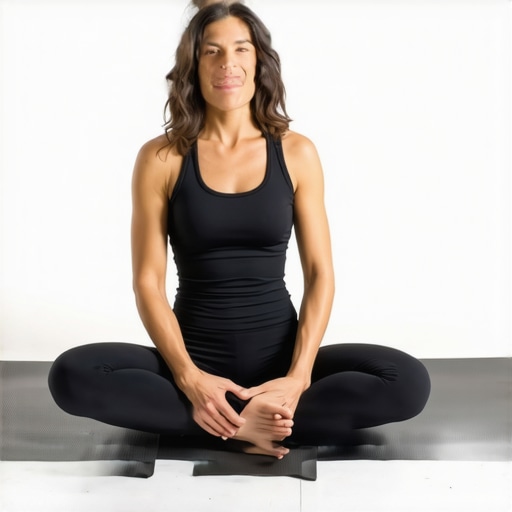
I used to dread stretching sessions. Honestly, the very thought of holding a pose longer than a few seconds made me want to run the other way. One morning, after battling a stubborn ache in my hips that refused to go away, I finally faced the uncomfortable truth: stretching, as I knew it, wasn’t working. But then, I stumbled upon a simple revelation that changed everything — a quick, three-minute move that eased my hips without making me feel like I was in yoga purgatory.
Why Stretching Doesn’t Have to Be a Chore
If you’re like me, the idea of stretching can seem like a tedious, even torturous task. Maybe you’ve tried long holds, intense routines, or awkward positions, and found yourself more frustrated than relieved. The good news? You don’t have to spend hours on the mat to make a difference. Sometimes, all it takes is a focused, brief motion that fits into your busy schedule and even into your less-than-enthusiastic attitude toward stretching.
Is The 3-Minute Hip Opener Actually Worth the Hype?
I admit, I was skeptical at first. How could a tiny motion possibly unlock tight hips or improve mobility dramatically? But early on, I made the mistake of ignoring these quick fixes, thinking they were too simplistic. That was a mistake. According to research, rapid, specific movements can stimulate blood flow and loosen muscles more effectively than long, passive stretches, especially for those of us who dislike prolonged stretching sessions. This simple routine proved to be a game-changer, saving me time and discomfort while delivering real results.
Now, I want to share my experience and guide you through this quick, effective move. If you’ve been feeling stiffness, pain, or just want to unlock your hips without turning into a pretzel, stay tuned. We’re about to get you moving more freely — with just 3 minutes of your day.
Get into the Position
Start by standing upright, feet shoulder-width apart, and knees slightly bent—imagine you’re preparing to leap forward, engaging your core for stability. Shift your weight onto your right leg, keeping your pelvis level and hips square. As you do this, think of your pelvis as a bowl of water; you want it to stay steady, not tilting or spilling over.
Apply Gentle Resistance
With your right foot planted firmly, slowly lunge forward, pushing your hips back as if sitting into a chair. Use your hand to gently press into your thigh for resistance—this activates your muscles and signals your brain to loosen tight areas. Keep your chest lifted and shoulders relaxed. I remember a morning when I was stiff from hours at my desk; performing this step helped release that tension immediately, making me feel lighter and more mobile.
Focus on Controlled Movement
Now, shift your hips side to side, maintaining the slight bend in your knees. Think of sliding a heavy drawer; move smoothly and with control, avoiding jerks. This encourages blood flow and elongates the muscles around your hips and pelvis. I once tried rushing through this and ended up with more soreness; slowing down really made a difference, and my hips felt more open.
Incorporate Breathing for Effectiveness
As you hold each position, breathe deeply into your diaphragm—inhale through your nose, filling your belly, then exhale slowly through your mouth. Proper breathing enhances muscle relaxation and helps release deeper layers of tension. When I noticed my shoulders creeping up during the move, deliberate deep breaths helped me stay calm and focused, amplifying the stretch.
Finish with Conscious Posture Check
After completing the movement, stand tall and perform a quick check: Shoulders over hips, chin slightly tucked, and core engaged. Envision a string pulling your head upward, elongating your spine. This micro-adjustment aligns your posture, preventing re-tightening. I started doing this routinely, and it surprisingly reduced my lower back discomfort after long hours sitting.
Remember, consistency is key. Even a three-minute routine like this, done daily, can significantly improve your hip mobility over time. For a comprehensive approach, explore other strategies at this resource.
Many people assume that perfect posture means standing or sitting rigidly upright all the time, but in reality, this misconception can lead to more discomfort. Improperly corrected posture isn’t about stiffening your spine but about achieving a balanced, dynamic alignment—something that professional assessments emphasize for sustainable results. Believing that pain is solely caused by a lack of stretching is another trap; sometimes, tight muscles are compensating for underlying structural issues that simple stretching can’t fix. Advanced techniques, like specific adjustments to your pelvic or thoracic alignment, often provide faster relief and improved mobility—finding the right approach requires nuanced understanding beyond generic routines.
Why Do So Many Adjustment Tips Fail Long Term?
There’s a misconception that one-size-fits-all adjustments or stretches will resolve chronic back pain, but research indicates personalized interventions are far more effective. Static corrections without addressing movement patterns, footwear, or ergonomic habits often lead to rebound pain. This is where the trap lies: many fall for quick fixes instead of engaging in comprehensive, individualized strategies that target the root causes. The key is integrating daily habits and targeted adjustments, which a professional can help you optimize—more info at this resource.Maintaining your improved posture, flexibility, and pain relief routines requires the right tools and consistent care. Investing in quality equipment and adopting effective maintenance strategies can extend the benefits of your efforts and help you scale your progress over time. One key tool I personally rely on is a foam roller—specifically, a high-density, textured foam roller like the overdyed EPP foam roller. It provides targeted myofascial release, which helps prevent muscle tightness and reduces risk of injury. Using it for just five minutes daily after workouts or long sitting periods keeps my muscles supple and my mobility intact, reinforcing the gains from my mobility routines. Alongside the foam roller, I incorporate a resistance band for strength and stabilization exercises, which I use weekly to build resilience in key muscle groups supporting my spine and pelvis. The versatility of resistance bands allows me to perform a variety of safe, scalable movements that enhance core stability, essential for long-term back health. Digital tools are also invaluable for tracking progress and maintaining consistency. Apps like ‘MobilityWOD’ or ‘StretchIt’ enable scheduled reminders, guided routines, and progress logs. I find that setting daily notifications to perform my short mobility sequences keeps me accountable, preventing long gaps that could lead to regression. As the trend in mobility and posture improvement evolves, integrating smart equipment with biofeedback features—such as posture sensors or wearable devices—may become standard. These devices can alert you when your posture deteriorates during sitting or activity, prompting immediate correction, much like how advanced ergonomic chairs use sensors to promote proper alignment. Looking ahead, the future likely holds more AI-driven analysis and personalized correction programs, tailoring exercises to your unique biomechanical needs. Think of these tools as your ongoing maintenance crew, preventing small issues from escalating into chronic pain. Regularly revisiting practices like [core stabilization exercises](https://chiromasteryz.com/master-your-mobility-top-strategies-for-moving-without-pain) and simple adjustments—such as ensuring your workspace promotes proper alignment—are foundational for long-term success. Remember, consistency and proactive maintenance are your best allies. I strongly suggest trying out a foam roller with textured surface and committing to a brief daily session; this small change can dramatically reduce the likelihood of setbacks and prolong your mobility gains. For comprehensive guidance tailored to your specific needs, consider consulting a professional to develop a personalized maintenance plan—details available through our [contact page](https://chiromasteryz.com/contact-us). Stay vigilant, stay mobile, and keep your body functioning at its best.
What I Wish I Knew About Sitting and Moving
One of the biggest revelations for me was realizing that small, consistent adjustments outperform sporadic, intense routines. I used to push myself with long stretches, thinking more is better, but I found that tiny, intentional shifts throughout the day keep me aligned and pain-free. This insight has transformed my approach from reactive to proactive, helping me prevent issues before they escalate.
Another lesson was understanding that every body is unique. Generic routines often fall short because they don’t account for individual differences in structure or daily habits. Investing in a professional assessment or personalized guidance ensures that my mobility strategies are tailored, offering sustainable results instead of quick fixes that fade over time.
Progress isn’t just about the exercises—it’s about mindset. Cultivating awareness of how I sit, stand, and move throughout the day creates a foundation for lasting change. Small cues, like adjusting my posture when noticing my shoulders creep up, add up to significant improvements, reinforcing that consistent mindful movement is key.
Tools That Changed My Mobility Game
For me, the high-density foam roller became indispensable. Its textured surface allows for targeted myofascial release, releasing tight muscles that contribute to pain and stiffness. I use it daily after long sitting periods, and the relief is profound. Alongside, resistance bands have been fantastic for strengthening stabilizers and building resilience—trust me, they’re versatile and easy to incorporate into daily routines.
Additionally, I found a couple of excellent apps like ‘MobilityWOD’ and ‘StretchIt’ invaluable for guided routines and tracking progress. Combining these digital tools with physical aids creates a holistic approach that keeps me motivated and accountable, leading to consistent improvements.
Lastly, never underestimate the power of a good ergonomic setup. An adjustable desk, proper monitor height, and mindful positioning prevent strain from happening in the first place. For detailed tips, check out this resource that offers a comprehensive view on maintaining optimal alignment.
Embrace the Journey Toward Mobility
The road to lasting mobility and better posture doesn’t require perfection—just a commitment to small, daily actions. Whether it’s a quick 3-minute routine or mindful movement during breaks, these habits compound into significant, lifelong benefits. Your body is your most valuable asset—treat it with consistent care and patience, and you’ll notice the difference not just in how you move but in how you feel every day.
Remember, progress is personal. Focus on what works for you, stay curious, and seek guidance when needed. Your best mobility is within reach—start today, and watch your body thank you!