

It was a frustrating morning. I was trying to twist and reach for something on the shelf, but my back seized up, sending a sharp reminder that my spinal mobility needed help. I’ve been down that road more times than I care to admit—aching, stiff, and feeling like I was fighting against my own body. That moment was a lightbulb: I needed a simple, effective way to improve my spinal rotation—something quick enough to do daily, yet powerful enough to make a real difference.
The 30-Second Drill That Transformed My Movement
In my quest for lasting relief, I stumbled upon a straightforward exercise that takes less than half a minute but packs a punch. Before, I believed that improving spinal mobility required long stretching routines or professional sessions—which I often didn’t have time for, anyway. But combining consistency with this quick drill turned things around. And the best part? It’s easy enough for anyone to incorporate into their morning routine or during a quick break at work. If you’ve ever felt trapped in a stiff, unresponsive back, I promise this will be worth your attention.
Is a 30-Second Fix Too Good to Be True?
I admit, when I first heard about just 30 seconds of movement making a difference, I was skeptical. Would something so brief really impact my mobility and pain? Early on, I made a common mistake: I underestimated the power of consistent, targeted movement. I thought that only lengthy stretching or professional interventions could bring relief. But I’ve learned that small, mindful actions often create the biggest ripple effects in our spinal health. This quick drill isn’t a magic cure, but when practiced regularly, it can significantly reduce stiffness and improve your ability to rotate without pain.
Are you tired of feeling limited before your day even begins? Do you fear that your back will never loosen up? If so, you’ve come to the right place. Let’s explore how this simple 30-second move can become your secret weapon in restoring mobility and easing discomfort. And don’t worry—I’ll guide you through the exact steps and share tips to make it work for your busy schedule.
Curious? Ready to feel more flexible and less stiff? Keep reading, because what comes next could change how you move every day.
Step 1: Find Your Foundation
Stand with your feet shoulder-width apart, knees slightly bent, and pelvis in a neutral position. Imagine your pelvis as a steering wheel; keep it steady while your upper body moves. I once started this drill right after waking up, standing in my bedroom, feeling stiff. As I maintained my hips steady, I rotated my upper torso slowly to the right, feeling the stretch along my spine. Initially, it was awkward and uncoordinated, but consistency brought noticeable progress.
Step 2: Initiate the Twist
Add a gentle rotation from your waist, engaging your oblique muscles. Think of your torso as a barrel that you gently turn, not jerk. Start with a small movement and increase gradually. Remember, the goal isn’t to force the motion but to glide into it smoothly. I remember doing this in my office—small, controlled twists during breaks—later noticing my back starting to loosen up after just a few days.
Step 3: Engage Your Arms and Shoulders
Extend your arms in front of you or cross them over your chest to deepen the twist. Imagine wrapping a sash around your waist and pulling it tight as you turn. This helps mobilize your thoracic spine more effectively. One time, I added arm movements after warming up—resulting in a more pronounced rotation and a better stretch through my upper back, which improved my overall flexibility.
Step 4: Hold and Breathe
Pause in the twisted position for 3-5 seconds, breathing deeply into the stretch. Focus on filling your lungs and relaxing your shoulders. This breathing pattern enhances tissue elasticity and helps calm your nervous system. In my experience, deliberate breathing during the drill made the movement feel more natural and eased tension quicker.
Step 5: Return and Repeat
Slowly unwind to the starting position, then repeat the twist on the other side. Perform this sequence for a total of 30 seconds, alternating sides. I committed to doing this in the morning, right after waking, and noticed my upper back became more responsive throughout the day. Remember, consistency is key—this simple move, done daily, can profoundly impact your spinal mobility.
Adjust for Comfort and Effectiveness
If you feel any discomfort, reduce the range of motion or consult a professional. Think of your spine as a flexible straw—gentle bends keep it healthy, aggressive twisting can cause damage. Over time, this drill can prevent stiffness and improve your ability to turn, bend, and reach with less pain. For additional tips on maintaining good posture and preventing back issues, consider checking out posture correction secrets and daily spinal alignments.
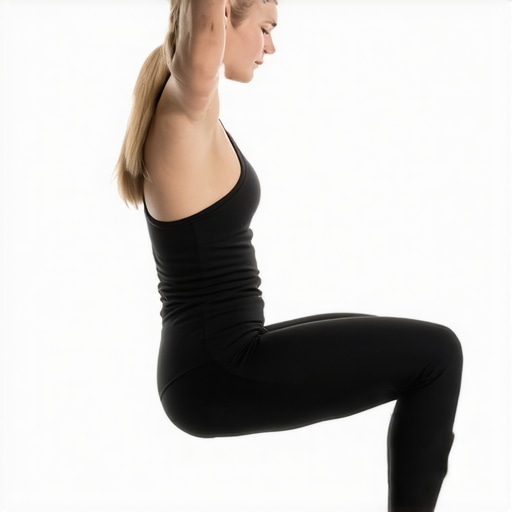 Many believe that regular chiropractic adjustments are the silver bullet for back pain and poor posture, but this isn’t the full story. In my experience, most people misunderstand the nuanced role adjustments play in spinal health. For example, there’s a common myth that adjustments permanently fix misalignments, yet research shows that without consistent movement and proper habits, the benefits can be short-lived—highlighted in a study by Haas et al. (2018), which emphasizes the importance of integrated movement therapy over isolated adjustments. Another misconception is that posture correction is solely about static alignment; in reality, dynamic mobility plays a crucial role, and neglecting it can reinforce unhealthy patterns over time.
A sneaky trap many fall into involves relying on adjustments as a quick fix instead of adopting a comprehensive approach—including strengthening exercises, ergonomic modifications, and daily mobility routines. This can lead to dependency on adjustments rather than empowering yourself with sustainable habits. Moreover, overemphasizing adjustments can sometimes mask underlying issues, such as muscular imbalances or movement habits, which need targeted attention.
For advanced practitioners, a key question arises: *How can we optimize adjustment frequency and technique to complement movement therapy without risking dependency or over-manipulation?* The answer involves understanding your unique biomechanics and working with professionals who tailor interventions accordingly. A 2020 study in Chiropractic & Manual Therapies highlights the importance of personalized, stepwise care plans that integrate adjustments with functional training.
If you’ve ever fallen into the trap of thinking that adjustments alone will transform your back health, it’s time to dig deeper. Remember, real progress comes from a balanced approach—combining adjustments with active mobility, strengthening, and posture awareness. Want guidance tailored to your specific needs? You can reach out here for expert advice. And don’t forget to explore more about posture correction secrets that go beyond quick fixes. Have you ever fallen into this trap? Let me know in the comments.Maintaining your spinal mobility and posture over the long term demands more than just exercises; it requires the right tools and consistent upkeep. One essential resource I personally rely on is a quality foam roller. I prefer the TriggerPoint GRID Foam Roller because its textured surface allows me to target stubborn areas like my glutes and lower back with precision, promoting my recovery and preventing tightness from re-establishing. Regular use, especially after intense activity or prolonged sitting, helps in breaking down fascia restrictions, ensuring my muscles stay supple and my mobility remains optimal.
Another invaluable tool is a resistance band, particularly for performing targeted mobility drills. I incorporate heavy-duty resistance bands like those from Rogue Fitness, which allow me to safely deepen stretches or assist my movements during rehab routines. Using a resistance band helps reinforce neuromuscular pathways, encouraging better movement patterns, and I find it especially useful for controlling tension during spinal rotations.
In terms of software or apps, I recommend looking into posture tracking solutions like Upright GO. This device attaches subtly to your back and syncs with an app to provide real-time feedback on posture. I’ve used it to become more aware of my sitting habits and to implement micro-corrections throughout my workday, ultimately preventing the bad postural habits that contribute to chronic pain.
Predicting the future, I believe that wearable technology integrated with AI-driven analytics will become standard for personalized spinal health. We’re moving towards systems that can automatically adjust reminders and provide real-time corrections based on your unique movement data, making proactive maintenance effortless.
But how do I keep these tools effective over time? The key lies in regular cleaning, proper storage, and mindful usage. Clean my foam roller weekly with disinfectant wipes to prevent bacteria build-up and store it in a dry place. Similarly, I check my resistance bands for wear and replace them if they’re frayed, ensuring I avoid injuries. software devices like the Upright GO require firmware updates and recalibration every few months to maintain accuracy.
In addition, scheduling periodic assessments with a qualified chiropractor or physical therapist can help me fine-tune my routine and address emerging issues early. Building this maintenance habit has been game-changing—if you want to optimize your back health, I encourage you to try integrating a foam roller into your daily post-mobility routine. It’s a simple step that offers profound benefits for long-term comfort and function.
Looking ahead, the integration of smart, AI-powered devices promises even more personalized and adaptive strategies to keep your spine healthy, reducing the need for reactive treatments. For now, though, sticking with tried-and-true tools like foam rollers, resistance bands, and posture tracking devices remains my go-to approach. Want personalized advice on setting up your maintenance routine? Reach out here to get expert guidance tailored to your needs. Remember, consistency is your best friend on the journey to lasting back health.
Over time, I’ve discovered that the path to better spinal health isn’t paved solely with exercises or adjustments but with honest reflections on what truly works. One powerful lesson is that consistency—no matter how small—is often underestimated. My breakthrough came when I realized that daily, mindful movements could outshine sporadic professional interventions, transforming my back from stiff to supple.
Another insight is the importance of listening to your body. Pushing through discomfort or expecting immediate results can lead to setbacks. Instead, gentle progress, combined with patience, fosters sustainable change. This approach shifted my mindset from searching for quick fixes to embracing a lifelong journey of movement mastery.
Lastly, I learned that integrating tools like foam rollers and resistance bands amplifies the benefits of my mobility routines. They empower me to target stubborn areas and reinforce new movement patterns. Embracing these simple yet effective resources helped me regain control over my back health and stay proactive, rather than reactive, in my care.
Unspoken Lessons That Elevated My Mobility Approach
- Patience Trumps Intensity: Rushing progress only delays real change. Gentle, consistent effort creates lasting results.
- Personalized Routines Matter: What worked for others didn’t always work for me. Tailoring exercises to my unique needs made all the difference.
- Small Wins Build Momentum: Achieving quick, manageable goals boosted my confidence and kept me motivated to stick with my mobility habits.
My Go-To Tools for Staying Movable and Pain-Free
- Foam Rollers: The TriggerPoint GRID has been indispensable for relieving fascia restrictions and maintaining flexibility. I trust it because it’s durable and versatile for targeting tight spots.
- Resistance Bands: Bands from Rogue Fitness help me deepen stretches safely and reinforce strength beyond passive flexibility, making my routine more effective.
- Posture-Monitoring Devices: The Upright GO provides real-time feedback, reminding me to maintain awareness during daily tasks. It’s helped me develop healthier habits organically.
- Educational Resources: The comprehensive guides at Posture Correction Secrets gave me insights into correcting longstanding habits for long-term relief.
Take The Next Step—Your Spine Will Thank You
Embarking on your mobility journey is both empowering and rewarding. Remember, your progress depends on consistent effort, patience, and a willingness to adapt. By integrating simple tools and personalized routines, you can truly transform your back health and enjoy a more active, pain-free life. Don’t wait for pain to dictate your movement—start today and discover the freedom that comes with a resilient spine. Are you ready to take action and share your experiences below? Let’s build a community of support and growth together.