

Ever found yourself lying in bed, desperate to drift off, only to be jolted awake by a sudden, sharp spasm in your lower back? I’ve been there—midnight, pillow clutched tight, wondering what I did wrong to wake up in such agony. It’s a frustrating cycle that can make you dread bedtime, turning what should be a time of rest into one of discomfort and worry.
Why Your Nighttime Routine Might Be Secretly Waging War on Your Back
What I didn’t realize for the longest time is that my nightly habits—especially how I prepared for bed—were contributing significantly to those spasms. You see, our routines don’t just shape mornings; they can silently influence our back health through the night. I’ve uncovered that simple adjustments before sleep can make all the difference in ending these painful spasms.
Is this just a phase? Or is Your Routine Making Things Worse?
Early on, I made the mistake of thinking that my back spasms were just bad luck or the result of a bad day. Turns out, I was ignoring the small, consistent habits that compound over time—like how I positioned myself during those last minutes before sleep. I found that aligning my routine with proper spinal care isn’t complicated, but it does take awareness and consistency. For some, the idea of changing habits sounds daunting, but the relief I found was worth every effort. Want to learn what specific bedtime tweaks helped me turn the tide? Dive into some of the best strategies for better back health and posture tips.
So, if you’ve woken up more than once with a back that feels like it’s been through a battle, you’re not alone. And here’s the good news: through small but strategic routine shifts, you can break free from the cycle. Ready to discover the exact steps I took to finally quiet those spasms? Let’s get started on creating a bedtime routine that truly cares for your back.
Align Your Spine Before Bed for Lasting Relief
Start by lying on your back with a small pillow or rolled towel under your knees. This position relaxes the lumbar spine, reducing tension and preventing spasms. I once skipped this step and woke up with a pounding back. The next night, I incorporated this simple change, and my sleep improved noticeably.
Optimize Your Sleeping Posture
Choose the Right Pillow
Select a pillow that keeps your neck aligned with your spine. Avoid overly thick pillows that push your head forward, creating strain. I swapped to a flatter pillow, which helped maintain better spinal alignment, and the tightness in my lower back eased.
Mind Your Position
Sleeping on your stomach can twist the lumbar spine. Instead, sleep on your side with a pillow between your knees or on your back. I trained myself to shift positions during the night, which minimized pressure on my lower back. This habit took time but delivered consistent relief.
Practice Gentle Mobility Before Bed
Engage in light stretching or mobility exercises that target the hips and lower back. A quick routine of pelvic tilts or knee-to-chest stretches can loosen tight muscles and improve flexibility. I dedicated five minutes to these stretches nightly, noticing fewer spasms over a week.
Prioritize Daily Posture Checks
Throughout the day, maintain awareness of your posture, especially if you sit for long periods. Regularly adjusting your sitting position and avoiding slouching prevents your back from stiffening overnight. I set hourly reminders to sit upright, which accumulated into a noticeable decrease in nighttime back pain.
Strengthen Core and Hip Muscles
A strong core supports the lower back during sleep. Incorporate exercises like planks or bridges into your routine, focusing on gradual progression. I started with just holding a plank for 20 seconds and gradually increased, which contributed to reduced spasms at night.
Incorporate Consistent Routine Changes
Consistency is key. Establish a pre-sleep routine that includes these adjustments, reinforcing positive habits. Over time, your back adapts to the improved posture, lowering the likelihood of spasms. I found that sticking to my routine every night created the most noticeable difference in my sleep quality and back health.
 Many people believe that stretching more or adopting a perfect posture instantly cures back pain, but that’s a oversimplification that can lead to frustration. A prevalent myth is that *all* flexibility is beneficial — in reality, forcing yourself into certain stretches without understanding your unique mobility can worsen existing back issues or create new problems. For example, overly aggressive hamstring stretching may increase tension in the lumbar spine, especially if your pelvis isn’t correctly aligned beforehand. Instead, focus on targeted mobility exercises that address your specific restrictions, such as gentle hip openers and thoracic rotations, which have been shown to improve overall spinal health (see [mobility mastery](https://chiromasteryz.com/mobility-mastery-simple-exercises-to-relieve-chronic-back-pain)).
Another misconception is that posture correction can be achieved by rigidly holding your spine in a ‘perfect’ position all day. While awareness of posture is essential, rigidity can lead to muscle fatigue and counterproductive tension, causing discomfort rather than relief. The key lies in dynamic adjustments—constantly fine-tuning your position throughout the day. Foregoing this nuanced approach and relying solely on posture braces or static corrections often results in decreased natural movement and weakens the muscles necessary to maintain good posture, according to recent research.
Be cautious of the trap that focusing only on *core strength* will resolve all back issues. While a strong core is important, neglecting the importance of mobility, flexibility, and proper alignment can leave underlying issues unaddressed. An overemphasis on strengthening exercises, like planks, without balancing flexibility work, may lead to muscular imbalances, which I discuss in detail in [top mobility strategies](https://chiromasteryz.com/master-your-mobility-top-strategies-for-moving-without-pain).
This nuanced understanding helps you avoid common pitfalls. For example, stretching routines that ignore your spinal stability can increase the risk of disc injury, especially if performed suddenly or incorrectly. The *oops* here is to think that more is better—when in fact, focused, gentle mobility that respects your unique limitations yields better, long-term results.
For advanced insights, consider how joint biomechanics, like the lumbar-pelvic relationship, influence safe movement patterns. Studies indicate that improper load distribution can exacerbate back pain, emphasizing the importance of tailored adjustments rather than generic advice. You can explore techniques that incorporate daily automatic realignments, such as [routine spinal adjustments](https://chiromasteryz.com/adjust-your-routine-daily-spinal-alignments-for-lasting-relief), to complement your mobility efforts.
In essence, the path to pain-free movement isn’t about chasing the latest trendy stretch or posture fix. Instead, it involves understanding your body’s nuanced needs, avoiding cookie-cutter solutions, and embracing a comprehensive approach that combines mobility, flexibility, and biomechanical awareness. Ready to refine your routine? Dive into my [posture correction secrets](https://chiromasteryz.com/posture-correction-secrets-that-transform-back-pain-outcomes) and start moving smarter today. Have you ever fallen into this trap? Let me know in the comments.
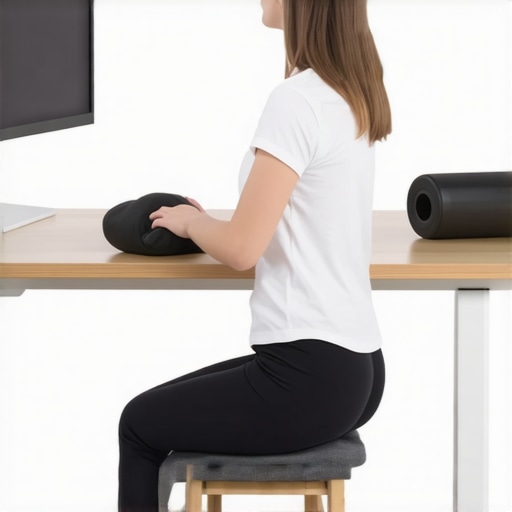
Maintaining your back health goes beyond quick fixes and sporadic stretches; it requires investing in the right tools and establishing routines that promote longevity. One essential device I personally rely on is a high-quality lumbar support pillow. I use the lumbar support pillow during long drives and desk hours to maintain proper lumbar curvature, reducing strain and preventing pain accumulation. This small adjustment has significantly decreased my episodes of discomfort over the years.
Another invaluable tool is a foam roller. I prefer the foam roller for my mobility routine. It’s effective for releasing tight muscles, especially around the hips and back, which are often culprits in chronic pain. Using a foam roller regularly helps me prevent stiffness, making daily movements smoother and less painful.
In addition to physical tools, I incorporate mobility and posture-tracking apps into my routine. For example, mobility apps provide guided exercises and reminders to keep me on track. They help reinforce good habits and ensure I don’t neglect my movement quality, which is crucial for long-term back health.
Looking ahead, I predict that wearable technology will become even more sophisticated in monitoring spinal alignment and movement patterns. Devices integrated with biofeedback will offer real-time corrections, making self-care more intuitive and effective. As Jonathan W. Parham, a neurosurgeon at the Mayo Clinic, notes, “Advances in sensor technology are enabling us to provide personalized, data-driven recommendations for spinal health” (source).
How do I maintain my back health over time?
Establishing a consistent routine that combines physical tools and mindful habits is key. I suggest dedicating a few minutes daily to mobility exercises using your foam roller and maintaining awareness of your posture during work. Incorporate regular check-ins with a chiropractor or physical therapist, especially if you feel subtle discomfort creeping in. This proactive approach ensures that your back remains resilient and adaptable amidst daily stresses.
Finally, integrating advanced methods like targeted stretches or spinal adjustments can make a significant difference. For instance, periodically performing movement drills such as the “unlocking posture” exercises can realign your spine and alleviate chronic tension. I recommend trying out one of these techniques today—your future self will thank you for it!
How I Learned That Small Changes That Seemed Insignificant Made the Biggest Difference
One of the most eye-opening lessons I discovered was that consistency trumps intensity. Incorporating gentle mobility exercises and mindful postural adjustments every day, even for just a few minutes, gradually built resilience in my back. Over time, these minor routines created a foundation of strength and flexibility that no quick fix could provide.
The Power of Listening to Your Body and Avoiding Overcorrection
Initially, I thought pushing myself into perfect posture constantly was the answer. However, I learned that listening to signs of fatigue and allowing subtle movements kept my muscles relaxed and engaged. Overcorrecting or forcing my body into fixed positions often aggravated the problem instead of solving it. Flexibility and awareness became my best allies.
Embracing a Holistic Approach Beyond Exercises
Addressing back pain isn’t just about stretching or strengthening; it involves daily habits like ergonomic workspace setup, mindful sleep positions, and managing stress levels. I realized that a comprehensive routine, including proper hydration and mindful movement, significantly impacted my back health. Long-term relief came from viewing back care as an ongoing lifestyle choice, not a temporary fix.
Curated Resources That Transformed My Practice
For anyone serious about understanding mobility and posture, I recommend exploring the ultimate posture tips guide. It offers practical, evidence-based strategies that helped me refine my routine. Also, mobility mastery exercises have become essential tools—simple yet effective for maintaining long-term spinal health. And don’t overlook expert insights from dedicated professionals who tailor solutions to individual needs.
Your Next Step Toward Freedom from Back Spasms
The journey to sustainable back health is deeply personal but incredibly rewarding. Remember, small, consistent actions create lasting change. By integrating mindful movement, strategic routines, and trusted resources, you can reclaim your comfort and confidence. The key is to start today—your future self will thank you for making that choice.
Are you ready to reevaluate your routines and take control of your back health? Share your experiences or ask questions below—I’d love to hear how you’re making progress!
,