

Ever found yourself sitting at your desk or on the couch, suddenly realizing your hips feel tighter than a pair of jeans after a holiday feast? Or maybe you’ve been battling that persistent ache in your lower back, and no matter how many stretches or foam rollers you’ve tried, it just won’t quit? I’ve been there. I remember the frustrating moment when I finally understood that my glutes—the often forgotten muscles—were the real culprits behind my discomfort. That lightbulb moment? It came from a simple realization: sometimes, we need to get right to the source with a gentle, targeted approach.
Why I’m Loving the Deep Glute Release Using a Soft Massage Ball
What if I told you that lying on the floor and gently rolling out your glutes with a soft massage ball could be a game-changer? I’ve discovered that many of us unknowingly let our glutes become lazy or ‘sleepy’—especially when we spend hours sitting. This leads to compromised mobility, poor posture, and nagging pain that spreads to your back and hips. The good news? A few minutes a day can reset those muscles and reinstate proper function, making a noticeable difference in how you move and feel.
I promise, this isn’t about quick fixes or complicated routines. It’s about smart, effective self-care that you can do right in your living room. But here’s the thing—if you’ve tried similar methods before and felt discouraged, you’re not alone. I made a critical mistake early on: I bought a hard, unforgiving ball that caused more discomfort than relief. Trust me, choosing the right soft massage ball is essential for a gentle, effective release. This simple tool, combined with consistent practice, will help you unlock those stubborn glutes and banish discomfort.
Is This Deep Glute Technique Really Worth the Hype?
Some skeptics ask whether self-myofascial release with a soft ball is just another trendy fad. I get it. We’ve all been burned by shiny gadgets promising miracles. But scientific studies support that targeted pressure and gentle self-massage can improve muscular flexibility and reduce tension (source: NCBI). My own experience confirms that this approach is a low-risk, high-reward method that’s helped me regain mobility and soothe chronic soreness. And honestly, once you incorporate it into your routine, you’ll wonder how you ever lived without it.
Ready to learn how to find relief and move freely again? Let’s dive into the practical steps. First, I’ll guide you through selecting the right soft massage ball—trust me, not all are created equal—and show you exactly where and how to roll out those glutes for maximum effect. Your hips—and your back—will thank you.
Selecting the Perfect Soft Massage Ball
Think of your massage ball as a gentle key that unlocks stubborn glute tension. I remember the first time I went shopping for one—I grabbed a firm ball expecting deep massage relief, only to find it painfully uncomfortable. Instead, I settled on a soft, rubber-like ball about the size of a tennis ball. To practice, place the ball under your glute area while lying face down, making sure it gently presses into the muscle. Gently shift your weight and find a tender spot—this is where the magic begins. Use slow, controlled rolls over these spots for about 30 seconds to a minute. It’s like massaging a knot out of a tight shoelace—by applying sustained, gentle pressure, you encourage blood flow and muscle relaxation, paving the way for better mobility.
Identifying and Targeting the Right Glute Spots
Imagine your glutes as a landscape of hills and valleys; some areas harbor tightness, while others are more relaxed. To locate the spots that need the most attention, start by sitting on the ball and rolling around your buttock until you find a particularly tender or tense area—a trigger point. I once spent ten minutes searching, feeling like I was chasing a moving target, but eventually, I found a gnarly knot near my upper outer glute. Applying pressure here helped release built-up tension quickly. Incorporate this targeted rolling into your routine daily—especially after long sitting periods—to prevent pain from creeping back. For detailed guidance, check out daily adjustments for back pain.
Perfecting Your Technique for Lasting Relief
Imagine trying toignite a fire by just blowing on a spark—your effort needs to be focused and consistent. For glute release, use slow, controlled movements, avoiding haphazard rolling that can cause discomfort. Lie down and place the ball beneath your tense spot; then, gently cross your opposite leg over the outside of the supporting knee to stabilize, like stabilizing a shaking hand. Use your arms to support your body—this stabilizes the pressure, preventing further strain. Roll gently over the spot for about 20-30 seconds, then pause and breathe deeply. Repeating this process 2-3 times daily helps soften tight muscles over time. I vividly remember practicing this on a busy Sunday afternoon—initially awkward, but the relief was instantaneous and motivating. For more mobility tips, explore posture correction secrets.
Special Tips for Sensitive or Stubborn Areas
If you encounter a particularly stubborn knot that resists melting away, don’t force it. Instead, apply gentle pressure and hold—think of it as softly nudging a hesitant horse into movement. Using your body weight to apply sustained pressure yields the best results without aggravating your tissues. Additionally, incorporating diaphragmatic breathing—deep breaths into your belly—during rolling can help relax surrounding muscles and improve nutrient flow. Remember, consistency is key: even five minutes daily can accumulate significant gains in glute health and back comfort. To deepen your understanding of posture habits that impact glute function, check out top mobility strategies.
Many individuals believe they understand the basics of good posture and its impact on back health, yet a closer look reveals nuanced pitfalls that can hinder true progress. For instance, a common myth is that stretching is universally beneficial for all types of back pain. While flexibility exercises are helpful, overdoing them without addressing underlying movement patterns can exacerbate issues, especially if joint stability and muscle activation are ignored. According to kink, a renowned posture expert, neglecting strength and proprioception training alongside flexibility is a significant oversight in back health routines.
Why Do So Many Posture Corrections Fail Long-Term?
The answer lies in the subtlety of habitual patterns. Many people focus solely on static alignment—like trying to keep the shoulders rolled back—without modifying their daily movement habits. This superficial approach often leads to temporary relief but fails to address deeper neuromuscular coordination problems. For example, sitting with a perfect upright posture for a few minutes doesn’t undo the habitual slouching during work hours. Instead, integrating dynamic stability exercises tailored to your specific weaknesses yields sustainable results. Check out posture correction secrets for a comprehensive approach.
One critical nuance often overlooked involves misconceptions about spinal flexibility. Many believe that the more mobile the spine, the better—yet excessive flexibility without muscular support can lead to instability and pain. Interestingly, research suggests that a balanced blend of mobility and stability is optimal. Overemphasizing either side can create vulnerabilities; for example, overly flexible thoracic regions may cause increased strain on the lumbar spine. As Dr. Stuart McGill explains, proper spinal health involves maintaining functional stiffness in certain segments while allowing mobility in others. To understand how to achieve this balance, consider exploring top mobility strategies.
Another subtle trap is related to the use of self-adjustments or cracking techniques. Many think cracking their neck or back is a sign of relief, but frequently, such practices can be counterproductive. They can condition your joints to rely on ‘popping’ to achieve comfort, which may weaken joint stability over time. Expert clinicians highlight that true correction involves addressing musculoskeletal imbalances through targeted exercises rather than transient manipulations. If you’ve ever fallen into this trap, let me know in the comments and share your experience!
Overall, mastering back health requires an nuanced understanding beyond simple stretches or postural cues. It involves addressing neuromuscular patterns, balancing mobility with stability, and changing habits mindfully. Remember, small, consistent adjustments trump quick fixes. Dive deeper into these nuances with resources like simple adjustments that truly make a difference.Maintaining your progress in posture, mobility, and back pain relief requires the right tools and consistent routines. One of my go-to devices is a high-quality foam roller, especially the firm, dense types I use for my thoracic and lumbar regions. Unlike softer rollers, these provide controlled pressure that helps break down fascia adhesions and enhance myelin sheath function, leading to better motor control even after years of poor posture. I include my foam roller in daily mobility routines, referencing techniques from mobility mastery strategies for maximum benefit. For sustained use, I set a reminder to roll for 5 minutes each morning and after long sitting sessions, creating a habitual pattern that reinforces spinal health.
How do I maintain progress over time?
Beyond tools, software like posture-tracking apps have gained popularity. I personally use a webcam-based app that provides real-time feedback, helping me correct subtle misalignments during daily tasks. These apps are advancing rapidly, integrating AI to analyze shoulder height, head tilt, and spinal curvature, offering personalized adjustments. In the future, I predict biofeedback wearables will become standard, seamlessly alerting us when our postural muscles slacken or become fatigued—much like a personal trainer in your pocket. To improve your own habits, consider integrating a simple mobile app that prompts hourly posture checks, combined with targeted exercises from top mobility strategies. This combined approach cements habits and prevents back pain from returning. Remember, consistency is key, so pick a tool or method that fits seamlessly into your routine.
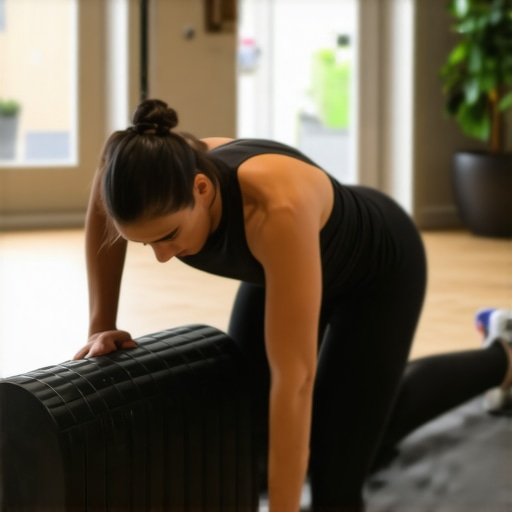
Incorporating regular maintenance not only preserves your gains but also adapts to your evolving needs. The trend points toward smarter, AI-driven solutions that learn from your movements and suggest custom routines—think of it as having a personal mobility coach on your device. To stay ahead, I recommend trying a guided foam roller routine with a video, pairing it with a posture-tracking app to hold yourself accountable. This dual approach ensures lasting results and empowers you to take control of your back health for years to come.
One of the most profound insights I’ve gained is that progress often comes from embracing imperfections. Early on, I believed that perfect posture or flawless technique was the goal, but I realized that consistency and patience matter more. Recognizing and honoring my body’s signals—like that stubborn knot that resisted every gentle pressure—taught me that healing isn’t linear. Each uncomfortable spot is an invitation to listen, adapt, and refine my approach, turning setbacks into stepping stones for better mobility and relief.
Another lesson is the power of simplicity. It’s tempting to chase after new gadgets or complex routines, but often, the most effective solutions are straightforward—like selecting the right soft massage ball or practicing mindful breathing during releases. Simplicity reduces overwhelm, making self-care sustainable. I’ve found that integrating small, intentional habits—such as daily rolling or mindful posture checks—not only accelerates improvement but also rebuilds confidence in my ability to maintain a healthy back over time.
Patience and persistence are allies in this journey. It took me weeks to notice even subtle changes, reminding me that real transformation doesn’t happen overnight. When I stay committed to a routine and avoid the temptation to seek quick fixes, progress becomes inevitable. This mindset shift—from chasing immediate results to valuing steady improvement—has been pivotal in my back health evolution, and I believe it can be for you too.
Finally, I learned that sharing experiences creates a supportive community. Open conversations about struggles and breakthroughs can illuminate new perspectives and motivate continued effort. If you’re hesitant or facing setbacks, remember you’re not alone. Reach out, share your journey, and celebrate small victories; every step forward is a testament to your resilience. Staying connected keeps the momentum alive and transforms a solitary effort into a collective triumph.
My Essential Toolkit for Glute and Back Wellness
Beyond motivation, having reliable tools makes a significant difference. I swear by a high-quality, soft rubber massage ball that gently molds to my muscles—trust me, a firmer ball can do more harm than good. Incorporating a dense foam roller into my routine helps me target larger areas like my thoracic region, improving my overall mobility. For guided exercises and expert insights, I often turn to resources such as mobility mastery strategies, which offer practical routines aligned with my goals. Additionally, using posture-tracking apps has provided me with real-time feedback, ensuring I stay mindful during daily activities. These tools reinforce consistency, and over time, the small investments in my back health have yielded exponential benefits.
Your Next Move Starts Here—You’ve Got This
Embarking on or refining your back and glute care journey is one of the most caring decisions you can make for yourself. Remember, progress is personal and gradual—celebrate each small victory. Embrace the process, keep exploring effective techniques, and be gentle with your body’s unique rhythm. With persistence and the right mindset, you’re well on your way to a pain-free, mobile life where every movement feels effortless. Take that first step today, and watch how your story of healing unfolds—because your back deserves it. What’s one small change you’re excited to try next? Share your plans below, and let’s support one another in this journey!