
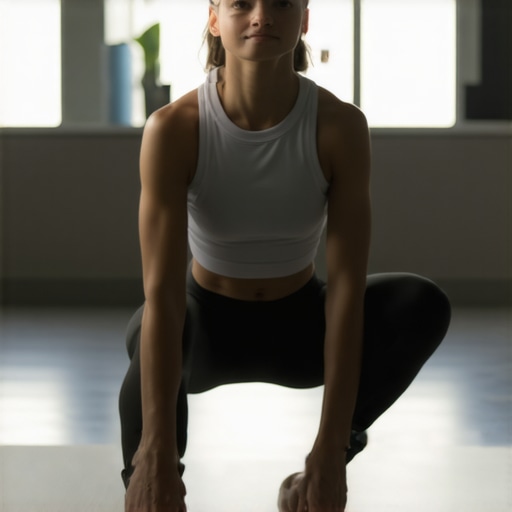
Ever wake up feeling like you haven’t truly moved in years? That sluggish twinge in your lower back or hips that seems to cling onto you as soon as the alarm rings? I used to ignore that dull ache, thinking it was just part of aging or a busy schedule. But one morning, I genuinely felt like I was immobilized—like my body was resisting waking up. That was my lightbulb moment. I realized that my tight psoas muscle might be the culprit, subtly sabotaging my mornings and setting a sluggish tone for the entire day.
Conquering Morning Stiffness Starts With Your Psoas
Here’s the good news: I found a simple yet powerful stretch targeting the deep hip flexor muscles, especially the psoas, that dramatically reduces that nagging morning stiffness. If you’re tired of feeling stiff and sore every day, stick around. Together, we’ll explore how to unlock your hips and reset your body each morning—so you can greet the day with energy and mobility.
Is The Deep Psoas Stretch Just Overhyped? Or Does It Really Work?
When I first heard about stretching the psoas, I was skeptical. I had made enough mistakes early on—like neglecting consistent mobility work or stretching randomly—that my progress was slow. It took trial, error, and some expert advice to realize that targeted, gentle stretches can make a substantial difference. According to a study published in the Journal of Bodywork and Movement Therapies, properly executed psoas stretches can significantly improve lumbar stability and reduce fatigue. So, yes, this isn’t just hype—it’s science-backed relief that can change your mornings.
If you’re wondering whether this stretch is worth trying, I assure you, the results speak for themselves. And trust me, I didn’t get it perfect at first. A common mistake I made was rushing into stretches without knowing the proper technique. For beginners, it’s easy to do more harm than good. For detailed guidance, check out some of my favorite tips on top mobility strategies. Now, let’s get into how you can start transforming your mornings with just a few minutes of mindful movement.
Start with Gentle Hip Openers
Lie flat on your back, knees bent, feet flat on the floor. Slowly bring one knee toward your chest, grabbing behind the thigh, then gently pull closer, feeling a stretch in your hip. Repeat on the other side. I remember struggling with this at first, often pulling too hard and feeling more tension. Over time, I learned to stay within a comfortable stretch zone, which made a noticeable difference in my morning stiffness.
Incorporate Psoas-Specific Stretching
Get into a kneeling lunge position with your right foot forward. Keep your left knee on the ground and gently tuck your hips under, engaging your core. Slowly lean forward into the stretch, feeling a deep stretch in the front of your hip and lower abdomen. I found that holding this position for at least 30 seconds, and repeating on both sides, helped release tightness in my psoas. Building consistency is key to mobilizing this deep muscle effectively. Check out mobility strategies for more tips.
Use Dynamic Movement to Activate the Psoas
Stand with one foot slightly forward, then lift your knee toward your chest, balancing on the other leg. Take a controlled step forward, mimicking walking or marching. This dynamic movement warms up the hip flexors and promotes better blood flow. I added this to my routine after static stretches and noticed improved hip flexibility. Remember, move gradually—rushing can cause strain instead of relief. Master mobility strategies to enhance your routine.
Adjust Your Daily Posture and Habits
Pay attention to how you sit and stand throughout the day. Prolonged sitting can tighten your psoas and hip flexors. Use a chair that supports proper lumbar curves or consider a standing desk. During breaks, stand up and perform some of these stretches. I experienced less morning stiffness once I started making these micro-adjustments. For more detailed tips, see effective posture tips.
Practice Consistency and Mindfulness
Stretching once or twice isn’t enough; aim for a daily routine. Set a reminder to perform these movements each morning. Focus on slow, controlled breathing to maximize relaxation. I kept a journal of my progress and noticed that gradual improvements kept me motivated. Over time, these simple steps helped me wake up more limber and ready to face the day. Integrate these practices into your routine and observe how your mornings transform.
 Many believe that stretching or adjusting is a straightforward fix for back pain and poor posture, but the reality is far more complex. A common misconception is that ‘more is better,’ leading people to overdo stretching without understanding their unique biomechanics, which can cause additional strain rather than relief. In fact, aggressive or poorly executed movements can exacerbate existing issues, especially if underlying imbalances aren’t addressed first. According to Dr. Stuart McGill, a renowned spinal biomechanics expert, improper loading and repetitive stress without proper stabilization can worsen back conditions instead of improving them.
Another myth is that static stretching alone is sufficient for maintaining mobility. While beneficial, static stretches must be complemented by dynamic movements and micro-adjustments that reinforce neuromuscular control. This approach matches modern research emphasizing the importance of functional, movement-based strategies over passive stretching.
A key nuance often overlooked is the significance of daily micro-adjustments—tiny posture corrections and movements integrated seamlessly throughout the day. These practices directly influence spinal health and can prevent chronic issues. For example, maintaining lumbar support during prolonged sitting or adjusting your workspace ergonomics can significantly reduce strain.
What most people fail to recognize is how deeply interconnected their joints, muscles, and habits are in contributing to pain and stiffness. Instead of isolating a single cause, consider a holistic assessment—sometimes, a misalignment in your ankles may influence your lumbar region. For instance, if you tend to wear poorly supportive shoes, this subtly shifts your gait and posture, potentially leading to back pain. This aligns with findings published in the Journal of Orthopaedic & Sports Physical Therapy, which show that addressing lower limb mechanics can improve spinal health.
Furthermore, many individuals seek quick fixes like self-adjustments and cracking joints, unaware that they may be reinforcing a cycle of tension and misalignment. Regular, professional assessments provide better long-term results, with targeted exercises and adjustments that respect your body’s unique needs.
Avoid falling into the trap of thinking there’s a one-size-fits-all solution. Instead, embrace personalized strategies, engaging in consistent mobility routines that incorporate both static and dynamic elements, tailored to your lifestyle. For deeper insights into effective postural corrections, visit this comprehensive guide. Remember, small daily micro-adjustments accumulate into significant improvements over time. Have you ever fallen into this trap? Let me know in the comments.Maintaining your mobility and posture over the long term calls for effective tools and consistent routines. One of my favorite pieces of equipment is the foam roller, particularly for releasing tight muscles in the hip flexors and lower back, which can help prevent recurring pain. I personally use a medium-density foam roller because it offers a good balance between firmness and comfort, allowing me to target stubborn knots without risking bruising or overstretching. Regular foam rolling sessions, especially before stretching or exercise, improve tissue elasticity and enhance blood flow, making subsequent movements more effective. To ensure proper technique and avoid injury, I follow tutorials from physical therapy experts and incorporate feedback from my body.
Another indispensable tool is a resistance band, which I use for assisted stretches and strengthening exercises. Bands are portable and versatile, enabling me to perform dynamic movements that activate muscles supporting proper posture. For example, I often utilize resistance bands during pelvic stabilization routines, which can be scaled by increasing resistance as my strength improves. Consistent use of these bands helps build stability, crucial for long-term back health.
In addition to equipment, I rely heavily on mobility and posture software apps to monitor improvements and keep me accountable. Apps like Everyday Posture and Stretching & Flexibility Coach help me track daily routines, suggest personalized exercises, and provide gentle reminders throughout the day. These digital tools are essential for maintaining consistency, especially when balancing a busy schedule.
Looking ahead, I predict that technological innovations such as biofeedback devices and AI-driven posture analysis will become more accessible. These tools will offer real-time insights into our movement patterns and alert us to poor habits before they develop into pain, fostering proactive self-care.
How do I keep my mobility routine sustainable over time?
Adapting your approach is key. I recommend integrating micro-movements and micro-adjustments throughout your day, like subtle pelvic tilts or shoulder rolls, to reinforce proper alignment continually. Personalizing your toolkit—using foam rollers, resistance bands, and tracking apps—helps embed healthy habits into daily life. I encourage you to experiment with these tools, starting with those I’ve mentioned, and observe how your body responds. For deeper guidance, explore my article on simple exercises for chronic back pain.
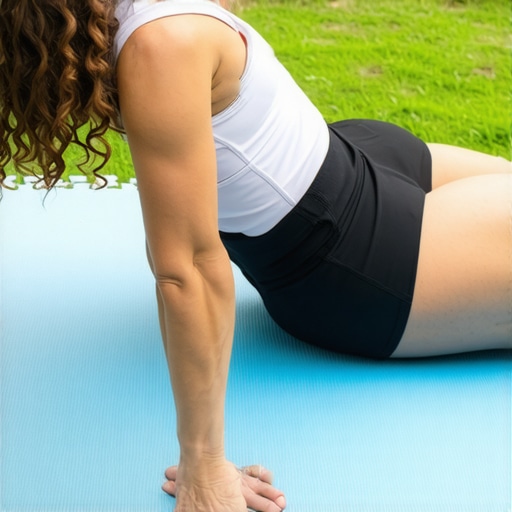
*Image Prompt:* A person using a foam roller on their lower back outdoors, demonstrating effective self-myofascial release. alt=”Person rolling out lower back muscles with foam roller” title=”Foam rolling for back health”.
By investing in the right tools and maintaining a mindful routine, you can ensure your mobility and posture improve steadily over time. Remember, consistency is the secret to long-lasting results. Incorporate these practices into your daily schedule to build resilience and reduce the risk of pain recurrence.
Overcoming morning stiffness often feels like a personal battle, but understanding the subtle role of your psoas muscle can be a game-changer. My journey taught me that this deep hip flexor isn’t just a minor player—it’s a vital component influencing how freely you move every day. The moment I realized that releasing and strengthening my psoas could transform my mornings, everything changed. Now, I wake up with more energy, and back pain has become far less of an obstacle.
Lessons the Psoas Taught Me About Lasting Change
- Slow and steady wins the race: Rushing into stretches or exercises without proper technique only worsened my pain. Patience and consistency are key to creating sustainable mobility improvements.
- Listen to your body: Pushing too hard or neglecting proper alignment caused setbacks. Mindful movements and awareness help prevent injury and promote healing.
- Balance is everything: Strengthening the psoas must go hand-in-hand with addressing postural habits. I learned that micro-adjustments throughout the day prevented stiffness from creeping back.
- Science supports simple steps: Targeted, gentle psoas stretches backed by research improved my lumbar stability and reduced fatigue—proof that small, informed actions make a big difference.
- Holistic approach matters: Incorporating tools like foam rollers and resistance bands, along with ergonomic tweaks, created a comprehensive plan that kept my mobility on track.
Tools I Trust for Lasting Mobility Gains
- Foam rollers: Their ability to release tight tissues in the hips and lower back is unmatched. I rely on a medium-density roller to stay limber and prevent recurrence of pain. For effective techniques, I recommend exploring tutorials from experts.
- Resistance bands: Versatile for activating and strengthening supporting muscles, bands help reinforce proper movement patterns. Incorporating them into daily routines was a game-changer for my stability.
- Posture tracking apps: Apps like Everyday Posture or Stretching & Flexibility Coach offer accountability and personalized guidance, making it easier to stay consistent even amidst a busy schedule.
- Educational resources: Books and articles on biomechanics deepen your understanding, empowering you to customize routines that truly work for your body. One such resource that transformed my perspective is the comprehensive guide on simple exercises for back pain relief.
Your Next Steps Toward Freedom of Movement
The future of back health is in your hands. By embracing informed, gentle routines and leveraging effective tools, you set yourself up for a pain-free, energized morning every day. Remember, progress isn’t linear, but each small effort builds towards lasting change. Don’t wait for pain to dictate your life—start today and unlock the powerful potential of your psoas and overall mobility. What’s one small movement you’re excited to try tomorrow? Share below and join the movement toward better mornings!