
Ever had that sudden twinge in your lower back after a simple walk, only to realize it felt worse than usual? I remember countless mornings where I’d stand up, feeling like I’d been punched in the lumbar region, frustrated because I couldn’t quite pinpoint what triggered it. One day, after yet another painful episode, I had a lightbulb moment that changed everything—not just for my back, but for my entire approach to mobility and pain management.
The Unexpected Connection: Ankles and Your Lower Back
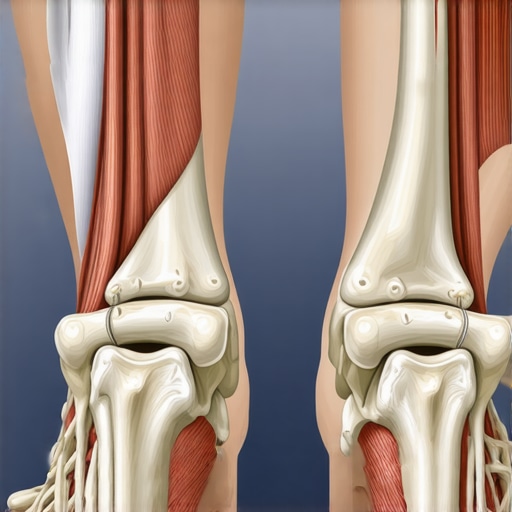
What if I told you that the secret to easing stubborn lower back pain might be hiding just below your knees? Sounds strange, right? Well, I learned through personal trial and error that the mobility of your ankles plays a surprisingly crucial role in maintaining a healthy, pain-free lower back. When my ankles were stiff and restricted, my posture suffered, and that tension traveled upward, exacerbating my back issues. Over time, I discovered that improving ankle flexibility and strength can dramatically reduce lower back discomfort—something I wish I had known sooner.
This realization led me down a path of simple adjustments and targeted exercises, which I now share with others who struggle with similar pain. If you’ve been battling chronic back issues, it’s worth considering what your ankles might be telling you. Often, addressing the root cause can lead to lasting relief, instead of just managing symptoms.
Could Your Skepticism Be Holding You Back?
When I first heard about ankles affecting back health, I was just as skeptical as you might be now. I thought, “How could something so far down my body influence my upper back or hips?” But early on, I made one mistake—ignoring my ankles altogether and focusing only on my back stretches. That oversight prolonged my pain and delayed my recovery. Once I started paying attention to my foot and ankle mobility, I noticed a real difference, and things started to improve faster. To learn how this insight can change your perspective, check out some effective posture tips that tackle the entire chain of movement, such as this guide on posture adjustments for 2025.
So, if you’re tired of feeling stiff and sore without relief, stay with me. We’re about to explore the surprising ways ankle health could be the missing link in your back pain story—and how you can take simple steps to make a big difference.
.
Start With Foot Flexibility: The Foundation of Back Comfort
My journey began with a simple realization during a frustrating morning—my ankles felt stiff, and my back pain lingered despite countless stretches. To tackle this, I dedicated five minutes daily to ankle mobility exercises, focusing on gentle dorsiflexion and plantarflexion. I remember fumbling initially, struggling to maintain balance, but persistence paid off. Over a week, I noticed my hips felt more relaxed, and the stabbing pain subsided. Think of your ankles as the roots of a tree: healthy roots support the entire structure. To get started, try these effective ankle exercises that I personally found game-changing.
Improve Range with Targeted Moves
Next, I incorporated ankle circles and heel-to-toe walks into my routine. These mimic natural ankle functions, akin to loosening a rusty hinge, allowing smoother movement. During one session, I used a wall for balance, slowly rotating my ankles clockwise and counter-clockwise, feeling the tension melt away. After several days, I experienced better posture during my daily activities, and my lower back felt noticeably less strained. Remember, consistency is key—dedicate part of your day to these micro-movements. Learn how to integrate these moves into your routine with posture tips for 2025.
Build Strength to Support Mobility
Once flexibility improved, I focused on strengthening my ankle stabilizers. Exercises like single-leg stands became my allies. Imagine balancing on a tightrope—you need core and ankle strength to stay upright. During a session, I held positions for 20 seconds on each leg, gradually increasing duration. This not only boosted my ankle resilience but also improved my overall posture, reducing the strain on my lower back. A stronger ankle acts like a shock absorber, preventing the chain reaction of tension traveling upward. For guided strength training, consider visiting this resource.
Incorporate Daily Habits for Lasting Relief
Beyond targeted exercises, I adopted simple habits—like checking my footwear to ensure proper support, and consciously avoiding high heels that restrict ankle mobility. One memorable day, I swapped my stiff sneakers for barefoot exercises in my living room, feeling a newfound lightness that carried through my day. Small daily adjustments like this reinforce the gains made through mobility work, transforming pain management into a sustainable routine. If you’re unsure how to maintain these habits, this guide offers practical tips for daily spinal alignment.
Stay Mindful of Your Chain of Movement
Every step I took to improve ankle health reminded me that the human body functions as an interconnected system. Neglecting the ankles left my back vulnerable, but nurturing this link created a ripple effect of relief. To reinforce your progress, integrate mindful movement into your day—pause, assess your posture, and make micro-adjustments. Over time, these small habits compound, leading to a resilient, pain-free back. For advanced techniques, explore posture correction secrets that fine-tune your alignment.
Remember, improving ankle mobility isn’t about overnight miracles but consistent, mindful effort. Start small, stay committed, and watch your back thank you for the effort.
Many assume that spinal adjustments alone are the magic bullet for chronic back pain, but let’s dig deeper into some common misconceptions. Firstly, a widespread myth is that adjustments permanently realign the spine, eliminating pain forever. In reality, adjustments are most effective as part of a comprehensive approach that includes mobility exercises and daily habits. Relying solely on adjustments without addressing underlying mobility deficits often leads to temporary relief at best.
Another nuance many overlook is the importance of understanding *the body’s movement patterns*. For example, people tend to focus on stretching their backs directly, while neglecting the role of ankle and hip mobility in supporting spinal health. Addressing these areas creates a more sustainable solution and prevents future pain.
It’s also a trap to associate postural
How do I maintain my progress over time without losing momentum?
One of the biggest challenges in sustaining back health is finding the right tools and routines that adapt with you as you progress. Personally, I’ve found that investing in quality equipment and digital resources makes a significant difference. For example, I swear by a set of silicone ankle gel pads, which help correct alignment during exercises and everyday movement. These pads prevent slippage and provide extra support, especially when performing mobility exercises like ankle circles or heel-to-toe walks. Using such tools consistently has helped me preserve flexibility and strength without strain.
Beyond physical tools, software like Master Your Mobility offers guided routines tailored to different mobility levels. It keeps me accountable and ensures I don’t skip essential exercises. As wearable tech continues to evolve, I envision future trends where smart insoles and posture sensors provide real-time feedback, alerting you immediately if your alignment is off—a game changer for long-term maintenance.
Choosing the right equipment for sustained results
When selecting mobility aids, always opt for ergonomic and high-quality options, like a foam roller with variable density surfaces. I prefer one with firm and soft zones, which allows me to target tight spots effectively without overdoing it. Personal experience has shown me that a consistent rolling routine diminishes muscle tension over weeks.
Another essential tool for maintenance is a portable lumbar support pillow. I use one during long drives or sedentary work sessions to maintain lumbar curve, preventing postural slump that can undo months of progress. For ongoing education, reading resources such as posture tips for 2025 helps me stay updated on best practices and emerging tools.
What’s the future of long-term back maintenance?
Research indicates that integrating biofeedback devices with personalized exercise plans will soon become standard practice for back health management. A 2023 study from the National Institute of Health underscores that wearable biofeedback improves posture awareness and adherence to corrective routines. Imagine having a device that not only tracks your movement but also suggests micro-adjustments in real time, making preventive care seamless and more effective.
To leverage this trend now, I recommend trying out a posture correction app that works with your smartphone camera. Regularly practicing with these tools enhances proprioception, making good posture second nature over time.
Advanced tip to try today
For those ready to take the next step, consider using a daily spinal alignment routine involving precise micro-movements. Incorporate a quick session with a sensor-equipped posture brace that gently guides your back into correct positioning. This practice, combined with consistent mobility exercises and ergonomic adjustments, will ensure your back stays resilient in the face of daily stresses and long-term challenges. Remember, maintaining a healthy back is a marathon, not a sprint—stay committed, and your body will thank you for years to come.
What I Didn’t See Coming About Body Connections
One of the most eye-opening lessons I learned was that the human body doesn’t operate in isolated parts—it’s an interconnected web. I used to think relieving back pain meant focusing solely on my spine, but I discovered that neglecting my ankles, hips, or feet was like ignoring the roots of a tree—eventually, the entire system suffers. This realization pushed me to look beyond quick fixes and embrace a holistic approach, which transformed my recovery and long-term health.
Another insight was how simple adjustments, like improving ankle mobility, could make a profound difference. Before, I dismissed the idea that my lower body could influence my upper back, but through consistent practice, I saw remarkable improvements. These small, mindful changes reminded me that sustainable relief often comes from respecting the body’s natural movement patterns and giving attention to overlooked areas.
A third lesson was understanding the power of routine. Even the most effective exercises lose their magic if neglected. Committing to daily habits—whether stretching, mindful movement, or ergonomic tweaks—created a ripple effect that gradually reinforced my progress. It’s a gentle reminder that patience and consistency trump quick fixes, especially when aiming for lasting change.
Tools That Became My Personal Back and Mobility Companions
Throughout my journey, certain tools stood out as game changers. A high-quality foam roller with adjustable density helped me release muscular tension without risking bruising—my go-to for daily self-care. Silicone ankle gel pads, my secret weapon during mobility exercises, kept me aligned and supported, preventing slippage and ensuring correct form. A portable lumbar support pillow became invaluable during long drives and sedentary days, maintaining my lumbar curve and preventing slump.
For ongoing education, I relied on resources like posture tips for 2025 and guided routines from Master Your Mobility. These tools offered structure, accountability, and fresh insights that kept my practices fresh and effective. Having dependable, research-backed resources gave me confidence that I was on the right path and motivated me to stay engaged.
Remember, investing in the right equipment and knowledge isn’t just about convenience—it’s about empowering yourself to take control of your health and sustain your progress for years to come.
Your Next Step Toward Freedom from Back Pain
Embarking on or continuing your journey to better back health requires a blend of curiosity, patience, and action. I encourage you to start with small, manageable steps—like ankle mobility exercises—and build from there. Incorporate mindful habits into your daily routine, listen to your body’s signals, and stay committed to long-term habits. Remember, the body is resilient, and the changes you make today lay the foundation for a pain-free tomorrow.
Take inspiration from the strategies shared here, and consider exploring tools or routines that resonate with you. Your back and mobility are worth the effort, and with consistent care, you can enjoy a more active, pain-free life. So, what small change will you try today to start your transformation? Let me know below!