
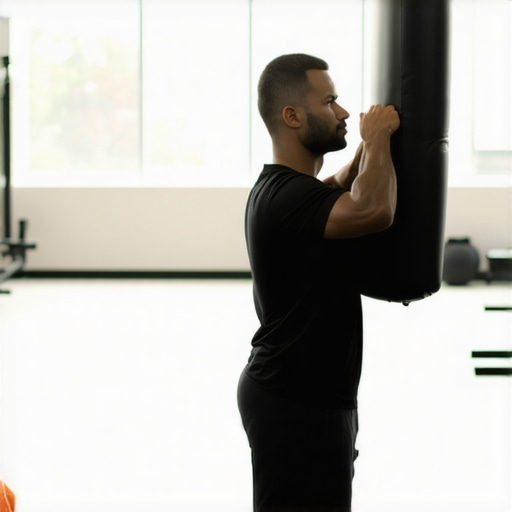
Ever felt that sharp jolt of pain shooting up your lower back after a long day of hauling around a heavy bag? Yeah, I’ve been there too. One afternoon, inching my way through crowded streets with a backpack loaded to the brim, I suddenly felt a crippling twinge that made me realize I’d been doing it all wrong. That lightbulb moment hit hard — I was neglecting the importance of proper technique, and my back paid the price.
Why Proper Bag-Carrying Technique Matters More Than You Think
Carrying a heavy load might seem straightforward — sling it over your shoulder or toss it on your back and go. But if done poorly, it can lead to chronic back pain, misaligned posture, and even nerve issues over time. I’ve learned that the way we handle even everyday tasks profoundly impacts our spinal health. According to research from the National Spine Health Foundation, improper load distribution can cause imbalances that persist long after the bag is gone, leading to lasting discomfort.
Is All the Hype About Posture Actually Necessary?
Early in my journey, I made the mistake of dismissing posture advice as ‘overrated.’ I thought, “It’s just carrying a bag, how big of a difference can it make?” But experience—and a fair share of back spasms—taught me otherwise. I realized that neglecting proper technique isn’t just about avoiding discomfort; it’s about preventing long-term issues that can affect every movement. If you’ve ever doubted whether these tips are worth trying, remember that small adjustments can lead to big changes — and it’s never too late to start.
If this resonates with you or you’ve faced frequent back pain from carrying your bag, stick around. We’re about to explore simple, practical strategies that transformed my approach and could do the same for you. Want personalized guidance? Feel free to reach out here.
Adjust Your Load Position for Optimal Balance
Begin by assessing how your bag sits on your body. I recall a time when I noticed my backpack hung lower on one side, causing an uneven pull on my spine. To correct this, I adjusted the straps so that the bag rested snugly against your back, with the weight evenly distributed. Think of it like balancing a scale — if one side dips, it throws off your entire posture.
Engage Your Core When Lifting or Adjusting Your Bag
Before you pick up or reposition your load, activate your abdominal muscles. I learned this the hard way when I blindly pulled my backpack onto my shoulders, only to feel a sharp strain. Instead, brace your core as if preparing for a gentle punch — this stabilizes your spine, reducing strain. A simple practice: take a deep breath, tighten your stomach, then lift. This micro-adjustment can prevent many common aches.
Use Both Shoulders to Share the Load
Carrying a heavy bag solely on one shoulder is like walking a tightrope — stability is compromised. I experimented with switching shoulders halfway through my day, which felt awkward at first but gradually built balanced muscle strength. For heavier loads, use a backpack with padded straps on both shoulders and switch sides periodically. It’s akin to sharing a heavy burden equally, easing spinal stress.
Timing and Routine—Don’t Overload in One Go
Avoid rushing into carrying all your items at once. Instead, pack only what you need and consider breaking up heavier loads into smaller, manageable chunks. I remember attempting to carry a full week’s worth of groceries in one trip — then regretted it with a strained back. Instead, I made multiple trips or used a trolley. Breaking routines reduces cumulative stress on your back over time.
Leverage Proper Posture During Transit
While walking or standing, maintain an upright posture—think tall and elongated. Even if your load is comfortable, slouching can gradually deform your spine. I practiced standing with my shoulders back and chin slightly tucked, which felt unnatural at first but became automatic. Visualize a string pulling you up from the crown of your head; this gentle correction promotes spinal alignment. For more on instant relief techniques, check out effective posture tips for 2025.
Include Mobility and Strength Exercises in Your Routine
Regularly strengthening the muscles supporting your spine helps resist daily stresses. Incorporate simple moves like planks and bridges. I added a 5-minute daily mobility routine from mobility mastery exercises—it made a noticeable difference in my resilience. Think of your back muscles as the scaffolding of a building; strong and flexible scaffolding keeps the structure stable amid external forces.
Be Mindful of Your Body’s Signals
Pay attention to pain or discomfort signals. I once ignored a slight ache after a long day, only for it to turn into persistent strain. Incorporate short check-ins: after loading or unloading your bag, pause and assess how your back feels. Gentle stretching or adjustments can prevent minor strain from becoming chronic pain. Remember, consistency in these micro-practices is key to maintaining spinal health.
Common wisdom often simplifies posture and back pain into easy fixes—stand up straight, stretch more, or get that new ergonomic chair. But in my experience, these surface-level solutions sometimes miss the real culprit: nuanced misalignments and subconscious habits that subtly sabotage our spinal health. Many assume that correcting visible posture alone suffices, yet research indicates that underlying muscular imbalances and joint restrictions play a pivotal role in persistent pain and mobility issues. According to Dr. Stuart McGill, a leading expert in spinal biomechanics, addressing only superficial alignment without considering functional movement patterns can lead to a cycle of temporary relief followed by return of pain.
One widespread myth is that if you feel better after a stretch or adjustment, you’ve fully resolved the problem. However, this is a trap—symptomatic relief doesn’t necessarily mean structural correction. The real nuance lies in understanding how chronic habits, like habitual poor sitting positions or asymmetric loading, create compensations that become ingrained over time. Recognizing these patterns is vital. For example, a subtle pelvic tilt or a habitual forward head posture might not be obvious but can significantly impair mobility and lead to recurring back pain if unaddressed. Smart adjustments, combined with targeted strengthening, are crucial strategies that go beyond the basics. You can explore effective routines to address these hidden imbalances in posture correction secrets.
Why is it so easy to overlook the small, persistent habits that cause back pain?
The issue is that these habits often operate below conscious awareness—like sitting with a slight pelvic tilt for years or favoring one side when carrying groceries—leading to asymmetrical wear and tear. The danger is thinking that one adjustment or stretch will fix everything, when in reality, these micro-movements compound over time. Ignoring these subtleties can cause misguided efforts that improve temporarily but leave the core problem intact. Instead, integrating micro-adjustments into daily routines, such as mindful posture corrections and consistent mobility exercises, yields lasting results. For instance, regular daily spinal alignments can prevent the re-emergence of chronic issues.
One critical mistake I see often is neglecting the role of joint restrictions—especially in the thoracic spine or hips—that limit movement and perpetuate compensations elsewhere. An advanced step involves identifying and releasing these restrictions with professional help or targeted self-mobilizations. Knowing when to seek expert assessment can be a game-changer. In fact, a comprehensive approach that combines functional movement analysis with targeted therapy can dramatically accelerate healing and improve long-term mobility.
So, the takeaway is: don’t just focus on visible posture or isolated stretches. Dig deeper into habitual patterns, joint restrictions, and subconscious compensations that quietly dictate your spinal health. Remember, these nuances are often concealed beneath the surface, making expert guidance a wise investment. Want to explore personalized strategies? Don’t hesitate to reach out here.
Have you ever fallen into this trap? Let me know in the comments.
Maintaining a healthy spine and mobility requires consistent effort and the right tools. Over the years, I’ve refined my toolkit to include equipment and software that not only support my daily routine but also ensure long-term results. One of my go-to gadgets is the foam roller, which I use every morning to release tight muscles and improve my flexibility. A high-density foam roller, like the RumbleRoller, provides the firm pressure needed to target deep fascial layers, helping prevent the micro-restrictions that often lead to chronic pain. Incorporating a foam roller into your daily routine is simple: spend 2-3 minutes rolling major muscle groups, especially in the hips, lower back, and thoracic region. This proactive approach aligns with the principles outlined in functional movement research, emphasizing prevention over treatment, as supported by experts like Dr. Stuart McGill. You can explore effective routines to address these hidden imbalances in posture correction secrets.
The Hardest Lesson I Learned About Posture, Mobility, Back Pain, Adjustments
One of the most profound realizations I had was understanding how deeply ingrained habits can sabotage spinal health. I used to dismiss minor discomforts as temporary, only to find them evolving into persistent pain. It took relentless self-awareness and consistent correction to truly recognize the subtle signals my body was giving. That journey taught me that progress isn’t about one big change but about small, deliberate adjustments made daily—like recalibrating how I carry my bag or how I stand during meetings.
3 Myths About Posture, Mobility, and Back Care That Held Me Back
- Myth 1: Stretching alone can fix all back issues. I learned that targeted strengthening and addressing joint restrictions are equally vital.
- Myth 2: Good posture is just about standing straight. Reality showed me that active muscle engagement and habitual corrections are what truly make a difference.
- Myth 3: Pain is the enemy; ignoring it is the cure. Actually, listening closely to subtle discomforts allowed me to intervene early before problems worsened.
What Experts Won’t Tell You About Spinal Health and Daily Habits
Most conventional advice skims over how subconscious patterns—think favoring one side when carrying or poor sleeping positions—can silently erode spinal stability over years. I discovered that deep tissue restrictions and muscular imbalances often have roots in those unnoticed habits. Combining professional guidance with mindful daily routines, like consistent mobility exercises, accelerates healing and prevents recurrence. To dive deeper into effective strategies, I recommend exploring posture correction secrets.
My Essential Toolkit for Improving Back Comfort
- Foam Roller: My go-to device for daily myofascial release. It helps maintain flexibility and prevent micro-restrictions that lead to pain.
- Mobility Exercises from Expert Sources: Programs like those found at Mobility Mastery keep my joints fluid and reduce stiffness.
- Educational Books: Reading works by Dr. Stuart McGill shifted my perspective from symptom management to addressing root causes.
- Personal Coaching or Assessments: Sometimes, a professional eye spots issues I’d overlooked, especially subtle joint restrictions in the thoracic region.
Take Action Now and Redefine Your Back Wellness
Your journey to a healthier, more mobile spine starts today. Small, intentional changes—like adjusting your load, integrating mobility routines, and being mindful of subconscious habits—compound into lasting relief. Remember, feeling better isn’t a one-time fix but a lifelong commitment to understanding and honoring your body’s signals. Don’t wait until discomfort becomes limiting; begin cultivating habits that empower your back and overall well-being now. Ready to transform your posture and mobility? Explore expert-backed tips at this dedicated resource and take the first step today.
What’s one habit you think might be quietly sabotaging your back health? Share your thoughts below and let’s start a conversation that leads to lasting change.
,