
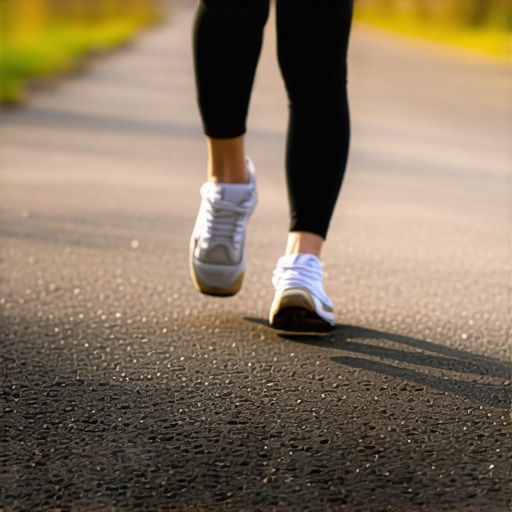
I used to dread my daily walks. No matter how much I tried to stride confidently, my knees would ache, and I’d feel that familiar twinge of disappointment every time I hit the pavement. One day, amid stretching and experimenting, I had a small, almost innocent realization—how I positioned my feet made a world of difference. It was like flipping a switch, transforming my walk from painful to comfortable. That simple adjustment didn’t just ease my knees; it reconnected me with my move at a level I hadn’t experienced in years.
The Secret to Walking Without Knee Pain: A Small Shift, Big Impact
Have you ever felt that familiar knee ache creeping in after a leisurely stroll or a quick dash to the store? You’re not alone. Many people carry habits while walking that unknowingly put unnecessary stress on their knees, leading to discomfort or even long-term issues. What if I told you that a tiny change in your foot placement could dramatically reduce that strain? This isn’t about complex exercises or costly treatments—it’s about learning a simple tweak that I wish I knew sooner.
Is This Foot Positioning Trick Actually Effective, or Is It Just a Gimmick?
Early on, I made a classic mistake: I believed that proper walking was just about taking longer strides or wearing the right shoes. I neglected the foundational role that how I put my feet down played in my overall joint health. Once I recognized this, I started paying attention to my foot posture, and the results were startling. Research supports this too—studies have shown that altered foot mechanics can lead to knee pain, but adjusting foot alignment can help mitigate it (source: Master Your Mobility). This discovery was a game-changer for me and might be for you as well. In the next sections, we’ll explore exactly what this tiny change entails and how you can implement it into your daily walk, making pain-free movement a real possibility.
Focus on Your Foot Position during Each Step
Imagine walking is like planting a flag in the ground; where your foot lands sets the tone for your entire stride. To minimize knee strain, aim to land your foot directly beneath your hips rather than ahead of them. I recall a morning I deliberately paused during my walk, shifted my weight so that my heel touched down softly under my pelvis, and immediately felt relief in my knees. This small, conscious adjustment transforms your stride into a smoother, more supportive movement.
Align Your Feet Parallel to Your Goals
Think of your feet like the wheels of a car; they need to track straight to prevent unnecessary wobbling. Keep your toes pointing forward or slightly outward, not inward or exaggeratedly outward. During a recent errand, I caught myself turning my feet inward due to habit. After realigning them, the walk felt steadier, and my knees no longer ached afterward. Practice placing your feet so they follow your natural hip rotation without forcing an angular turn.
Adjust Your Step Length for Comfort
Long strides might seem efficient but often place your knees in a compromising angle. Shorten your steps so that your foot lands comfortably beneath your body. I used to take big steps when rushing, only to pay later with soreness. One day, I consciously slowed down, reduced my stride length, and made sure each step was controlled. The result? Less knee pain and a more effortless walk.
Practice Precision with Every Step
Each movement counts. Like tuning a musical instrument, fine-tuning your foot placement brings harmony to your gait. Watch yourself in a mirror or record a short clip—notice where you tend to land or twist. Correcting these habits takes time, but consistency is key. Applying this technique daily, I noticed a significant reduction in knee stress after just a week.
Incorporate Micro-Adjustments Throughout the Day
Don’t wait until your knees hurt; integrate small shifts into your routine. When walking around your house or office, periodically check your stance. Shift your weight gently, realign your feet, and focus on landing beneath your hips. This proactive approach prevents bad habits from forming and keeps your joints healthier long-term. For more insights on daily mobility hacks, explore this resource.
Use Visual Cues and Feedback Tools
If you’re unsure about your form, use mirrors or smartphone apps to observe your walking pattern. Over time, develop an internal sense of proper foot placement. Remember, consistency matters. I set reminders on my phone to check my posture every few minutes during walks. Small, mindful corrections compound into big health benefits over time.Many enthusiasts and even professionals focus on obvious aspects of posture and movement, but miss subtler factors that influence mobility and pain. One common misconception is that perfect alignment is static, achievable once and then maintained. In reality, our bodies are dynamic, constantly adapting to internal and external cues. Failing to recognize this leads many to oversimplify solutions, assuming that static corrections alone will resolve recurring issues. For example, a common myth is that wearing supportive shoes or using ergonomic furniture alone guarantees long-term relief; however, these are merely foundational steps. The true nuance lies in understanding how habitual patterns and micro-adjustments throughout daily activities reinforce or undermine postural integrity. Over time, neglecting these subtle cues fosters compensations, which manifest as persistent pain or stiffness. Interestingly, research indicates that engaging in mindful, small-scale adjustments during routine tasks can significantly improve functional movement and reduce chronic discomfort (source: Enhance your mobility insights). But beware of the complacency trap: many believe that one good posture session cures all, yet real progress demands consistent micro-adjustments. A wise approach integrates awareness of these nuances, continuously fine-tuning your habits. For instance, paying attention to the way your pelvis shifts when standing or sitting, or how slight changes in your spinal curvature evolve during the day, yields big benefits over time. This ongoing calibration prevents the formation of dysfunctional patterns and promotes resilient, pain-free movement. Advanced practitioners often use video feedback or biofeedback devices to detect and correct subtle deviations before they become painful or limiting. So, next time you experience discomfort, consider not just the obvious factors but these hidden nuances that influence your body’s capacity to move freely. Want to master these subtle cues? Check out these expert strategies. Remember, true mobility results from embracing and refining these minor yet impactful adjustments.Maintaining the gains you’ve made in mobility and posture requires the right tools and habits. Personally, I depend on a high-quality foam roller, like the TriggerPoint GRID X, which allows me to target tight muscles and release fascia knots that could undermine my alignment. Using it daily helps prevent the recurrence of stiffness or discomfort, especially after long periods of sitting. Additionally, incorporating resistance bands such as the Bodylastics Stackable Bands provides a portable way to strengthen stabilizing muscles, ensuring that improvements in posture aren’t just temporary. For real-time feedback, I utilize apps like Ubersense or Hudl Technique, which enable me to record my movement sessions and analyze my form with precision. This visual insight allows me to correct micro-movements that could lead to long-term issues. Looking ahead, I predict that wearable biofeedback devices, which monitor posture and movement in real-time, will become more affordable and sophisticated, making continuous self-correction more accessible. How do I maintain these adjustments over the long term? Consistency is key, and establishing a daily routine that includes tool-based self-care helps embed these healthy habits into your lifestyle. Incorporating periodic assessments, either through video recording or professional check-ins, ensures your progress stays on track and prevents regressions. Remember, even the best tools won’t pay off if you neglect regular use. So, I encourage you to try integrating a foam rolling session before your daily walks, focusing on areas prone to tightness, like the hips and lower back. This small adjustment can significantly amplify the sustainability of your posture improvements and keep pain at bay. For more detailed strategies, explore this resource.Throughout this journey, I’ve learned that true mobility isn’t about dramatic changes overnight but about embracing subtle adjustments that, over time, transform our movement patterns. One eye-opening lesson was realizing how habitual foot placement and micro-adjustments during daily routines could either reinforce pain or foster resilience. Recognizing these nuances taught me patience and the importance of mindful practice. Additionally, I discovered that combining reliable tools, like foam rollers and biofeedback apps, with consistent habits creates a powerful synergy for sustained improvement. Lastly, understanding that progress isn’t linear and being gentle with ourselves during setbacks is crucial—reminding us that every small step counts on the path to pain-free movement.