
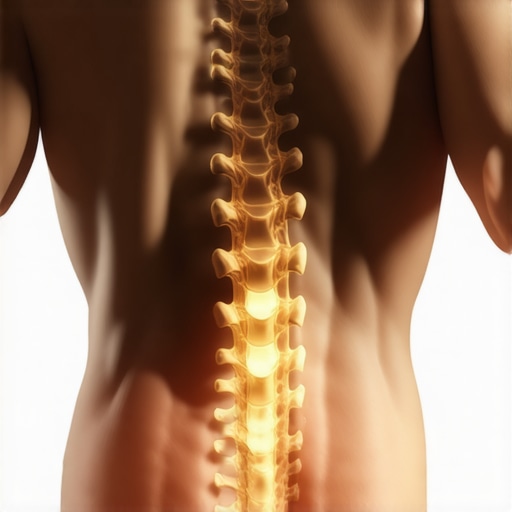
I remember the exact moment I felt that painful jolt in my lower back after a routine stretch. I had always believed stretching was the magic cure for stiffness and discomfort, only to realize that my daily attempts to loosen up might actually be aggravating my problem. That lightbulb moment hit hard—literally. I sat there, frustrated, wondering what I was doing wrong, and how I could fix it.
Your Back Pain Puzzle: What’s Really Going On?
Here’s the thing — many of us fall into the trap of thinking that more stretching equals better health. But sometimes, especially with disc issues, overdoing it or doing the wrong kind of stretches can push your problem further. I found myself caught in this cycle: desperate to find relief, I kept stretching my back, only to feel worse afterward. Turns out, there’s a delicate balance, and understanding what your spine needs is crucial.
Is Stretching Your Back Actually Worth the Hype?
Early on, I made the mistake of blindly following generic advice. I thought, “If stretching feels good, it must be good,” but what I didn’t realize is that certain movements can increase disc bulging or irritation. According to spinal health experts, improper stretching can sometimes put more pressure on vulnerable discs, making pain worse (source).
In fact, research shows that incorrect mobilization can exacerbate disc bulges, especially if done without proper diagnosis or guidance. So, before you dive into another intense stretch, ask yourself—are you actually helping your back or unknowingly harming it?
In this post, I’ll share my personal experience, bust some myths, and walk you through how to approach back mobility safely. If you’ve been battling with back pain and have felt like your efforts only made things worse, you’re not alone. Let’s explore how to move smarter and avoid common pitfalls that could be aggravating your disc issues.
Ready to discover the right way to support your spine? Let’s get started!
Start with Gentle Movements to Reclaim Your Back’s Flexibility
During my early attempts at improving back mobility, I rushed into complex stretches without understanding my body’s signals. A helpful analogy is treating your spine like a delicate garden hose — forcing water through with pressure can cause cracks. Instead, begin with gentle, slow movements, like pelvic tilts or knee-to-chest pulls, which warm up the muscles and prepare your discs for movement (see more mobility strategies). In my experience, starting slow prevents overextension and reduces the risk of aggravation, especially if you’re dealing with disc issues.
Focus on Postural Awareness Throughout Daily Activities
Micro-adjustments in your daily routine can drastically improve how your spine feels day-to-day. Think of your posture like tuning a musical instrument — small tweaks lead to harmony. For example, sitting with your feet flat, hips slightly higher than knees, and avoiding slouching can help maintain spinal alignment. I once caught myself tucking my pelvis excessively while working at my desk, which tightened my lower back muscles. By consciously adjusting my sit posture and using tools like lumbar support when needed (learn posture correction secrets), I gradually reduced discomfort and improved mobility.
Incorporate Targeted Mobility Exercises
Choose exercises that promote spinal rotation and extension without overloading vulnerable discs. The cat-cow stretch is a classic example — moving your spine through flexion and extension gently can increase flexibility. I dedicated specific time each morning to perform controlled segmental movements, being mindful of not pushing into pain. This process resembles gradually loosening a rusty hinge — slow, consistent movement is key. For additional relief, I found simple thoracic twists and gentle side bends beneficial, especially when combined with breathing techniques (explore effective mobility exercises). Over time, these helped me regain natural movement patterns.
Align Your Daily Routine for Long-Term Benefits
Adjusting long-term habits is like tuning the strings of a guitar; consistency ensures smooth play. I integrated regular mini-movements into my workday, such as standing every 30 minutes, gently stretching, or adjusting my posture. Using a simple routine of daily spinal alignments (see how to align daily) compounded improvements. Remember, it’s about creating a series of small, sustainable actions that support your spine’s health without overwhelming it.
Be attentive to your body’s signals and adapt
One crucial lesson I learned was listening carefully to pain signals — sharp or worsening pain indicates you need to pause, not push through. Adjust your exercises or posture adjustments accordingly. For instance, I once pushed through a stretch that caused nerve tingling, and that set me back weeks. Instead, I stopped and sought guidance via a professional consultation (contact us) to refine my approach. Think of this like adjusting the sail on a boat — small, deliberate corrections prevent chaos and keep you on course.
Remember, improving back mobility is a gradual process. Each step taken with caution and awareness reconditions your spine for healthier movement. Embrace patience, and your back will reward you with increased flexibility and less pain over time.
Many people believe that stretching or adjusting their posture will automatically fix back pain, but in my experience, there’s a common misconception that can actually hinder recovery. The truth is, most well-intentioned advice overlooks the critical nuances of individual spinal health. For example, a frequent mistake is applying generic adjustments or mobility routines without considering your unique spinal anatomy and movement patterns. This one-size-fits-all approach can lead to overstretching healthy tissues or aggravating underlying disc issues see why personalized strategies matter. Moreover, many assume that making your back ‘as flexible as possible’ is always beneficial, but excessive or forceful mobility work can destabilize your spine if not carefully tailored. Remember, the goal isn’t just flexibility but functional strength and stability, especially when dealing with disc problems. Advanced practitioners also understand that subtle misalignments or muscular imbalances often masquerade as simple tightness or stiffness, leading many to chase trivial stretches instead of addressing root causes. This oversight can create a cycle of temporary relief followed by recurrent pain. A notable myth is that cracking your own joints is harmless; however, frequent self-manipulation without proper assessment can disturb joint integrity and lead to instability, increasing your risk of injury see expert opinions on joint manipulation. To avoid these pitfalls, focus on seeking professional evaluations that identify individual structural and muscular factors affecting your back health. Incorporate precise assessments like spinal alignment checks and tailored mobility drills rather than blindly following generic routines. Remember, every back is unique, and the most effective strategies often involve micro-adjustments and mindful movements that respect your body’s specific needs. Have you ever fallen into this trap? Let me know in the comments. Ultimately, embracing a nuanced, individualized approach will lead to longer-lasting relief and better functional movement, rather than quick fixes that may do more harm than good.Maintaining back health over the long term requires more than just sporadic stretches or adjustments; it demands reliable tools and consistent routines. One of my go-to methods involves using a high-quality foam roller. I’ve found that a dense, textured foam roller effectively alleviates trigger points in my glutes and lower back, which directly impacts my mobility and reduces pain episodes. Unlike softer rollers, a firm foam roller provides the necessary resistance to break up muscular knots without causing overstretching or injury. I prefer models with a grid surface that mimics human fingers, allowing for targeted pressure. Additionally, I incorporate mobility apps like PhysiApp, which I personally use to follow structured routines tailored to spinal health, including gentle thoracic twists and pelvic tilts. These apps allow me to track progress and ensure consistency. In the future, I predict that smart wearable devices—such as posture sensors and biofeedback tools—will become standard in back care, offering real-time correction and motivation. To stay ahead, I recommend integrating technology into your daily routine, like using a posture corrector during work or employing a vibration-based feedback device to promote proper alignment. The key is consistency; these tools serve as reminders and enforcers of healthy habits. How do I maintain my back’s flexibility over time? I focus on micro-movements and daily adjustments, like incorporating quick mobility drills during breaks, and reviewing my habits periodically through professional assessments. For example, periodically visiting a chiropractor or physical therapist for specialized assessments ensures that my routines evolve with my body’s needs. And if you’re serious about preventing setbacks, I suggest trying a targeted mobility drill such as the deep glute stretch, which I detail here: https://chiromasteryz.com/the-deep-glute-stretch-that-stops-nagging-leg-pain. This simple yet effective move can dramatically improve your hip and lower back flexibility. Remember, tools alone won’t do the trick—they need to be paired with mindful application and ongoing self-awareness. Investing in these aids and habits today will pay off with reduced pain and greater movement freedom tomorrow.
What I Wish I Knew About Personalized Back Strategies
One of the most eye-opening lessons I’ve learned is that every back is unique, and cookie-cutter routines rarely deliver lasting relief. I used to believe that doing more stretches would automatically translate to a healthier spine, but I discovered that personalized assessments unlock the real solution. This realization pushed me to seek professional evaluations, which provided targeted insights beyond generic advice. Without tailoring, you risk reinforcing incorrect habits or overstretching healthy tissues.
Tools That Transformed My Approach to Back Health
Over time, I’ve found that simple yet effective tools, such as a quality foam roller and mobility apps like Master Your Mobility, have become integral to my daily routine. These resources help maintain flexibility and monitor progress, making self-care proactive rather than reactive. Knowing which tools truly align with my needs made all the difference, emphasizing that the right equipment paired with proper technique accelerates healing and prevents setbacks.
Small Changes, Big Gains for Long-Term Back Happiness
In my journey, I learned that consistent, tiny adjustments—like mindful posture corrections and brief mobility drills—compound into significant improvements. For example, setting a reminder to adjust my sitting position or performing gentle stretches during breaks creates a ripple effect of better movement patterns. This shift toward micro-habits ensures sustainable progress, proving that patience and persistence grow stronger, more resilient backs over time.
Taking Control of Your Back Journey
If you’re tired of endless routines that don’t stick, it’s time to embrace personalized strategies and trusted tools. Remember, your back’s story is unique, and listening closely to its signals guides better choices. Empower yourself to adopt a mindful, consistent approach—your future self will thank you for it. Ready to take that first step? Start experimenting today with micro-adjustments, and soon, you’ll notice a difference that lasts.
What’s one small habit you think could make a big difference in your back health? Share below and join the conversation!