
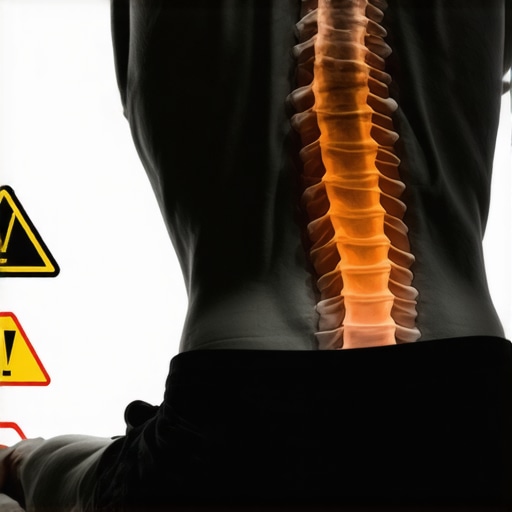
I vividly remember the moment I realized my trusty foam roller was doing more harm than good. I was pain-free, or so I thought, until one day I felt a stabbing sensation in my lower back after a routine roll. That discomfort turned into a wake-up call. It made me question everything I thought I knew about self-massage and mobility. Like many, I believed that targeting my lower back with a foam roller would soothe my tightness and prevent pain. But it didn’t take long before I learned that this common practice could be actually intensifying my problems.
Uncovering the Hidden Danger of Foam Rolling Your Lower Back
If you’ve ever targeted your lower back with a foam roller, you’re not alone. It’s a habit adopted by countless fitness enthusiasts and even casual gym-goers, all hoping to alleviate stiffness or discomfort. Yet, despite its popularity, this approach carries risks that most overlook. The truth is, your lumbar spine is a delicate structure, and applying direct pressure with a rigid roller can disrupt its natural alignment, leading to increased tension or even nerve irritation.
Question Header: Is Foam Rolling Your Back Actually Worth the Hype?
When I first started foam rolling, I thought more pressure meant better results. I pushed harder, hoping to melt away those stubborn knots. But guess what? I was actually making things worse. Early on, I made the mistake of rolling directly over my lower back without understanding the anatomy or the potential consequences. This misstep is common, but it’s also a major reason why many people experience increased discomfort or even exacerbated injury symptoms. Trust me, I’ve been there. And there are better ways to achieve mobility without risking your spine’s health.
If you’re tired of patching up pain or wasting time on ineffective routines, it’s worth exploring safer, more effective strategies. Want to learn what truly helps you move freely and painlessly? Keep reading. There are simple adjustments that can make a profound difference. Or, if your pain persists, don’t hesitate to reach out for professional guidance. Let’s begin transforming your approach to mobility, starting today.
,
Start with Gentle Movement Patterns
Before jumping into intense stretches, focus on controlled, gentle motions that mimic natural movement. For example, lie on your back and gently rock your knees side to side, like a cradle that soothes your spine. I remember once trying this after a long day at my desk; initially, it felt awkward, but after a few minutes, I felt a significant reduction in tension, proving that gentler approaches set a strong foundation.
Engage Your Core to Protect Your Lumbar
Your core acts as a natural corset supporting your lower back. Lie on your back, knees bent, feet flat. Squeeze your abdominal muscles as if you’re bracing for a punch, then breathe normally. This stabilization prevents unnecessary strain when you start moving. I once practiced this during a break, and it immediately reduced my discomfort before I even attempted more dynamic stretches.
Use Controlled Foam Rolling Techniques
Instead of aggressive rolling over your lower back, target surrounding muscles like your glutes, hamstrings, and lateral thighs. Position the foam roller beneath your hips or upper thighs and roll slowly, stopping where you feel tightness. This approach is safer and more effective, as it releases tension without risking nerve irritation. I experimented with this method after reading that many times, foam rolling the front of my thighs helped release my hip flexors, which indirectly eased my lower back pain.
Select the Right Tools for Support
Sometimes, a softer or specialized massage ball can do wonders. Place a tennis ball under your glutes or along your hips, applying gentle pressure and rolling over tight spots. This self-massage technique helps break knots without overstimulating your lumbar spine. I discovered this when I found that squeezing my glutes with a ball reduced my sciatic discomfort significantly.
Focus on Spinal Mobilization
Mobility drills that involve gentle rotations and extensions promote spinal health. For instance, perform thoracic twists while on all fours, gently shifting your upper back. This improves overall flexibility and reduces the load on your lower back. I often incorporate these movements before a workout and noticed my posture improves and pain lessens.
Mind Your Posture Throughout the Day
Micro-adjustments, like keeping your shoulders relaxed and avoiding slouching, can prevent daily strain. Set reminders to check your alignment, especially during long periods of sitting. When I started paying attention to my sitting posture, I realized that small adjustments, like elevating my feet and supporting my lower back, dramatically reduced my chronic discomfort. For more detailed tips on daily adjustments, visit this guide.
Incorporate Daily Movement Variations
Complement stretching and mobilization with varied movements—walking, gentle lunges, or yoga poses—embedded into your routine. These not only maintain flexibility but also prevent stiffness from settling in. I recall a week where I added short walks after work, which noticeably kept my lower back more comfortable. Keeping movement diverse helps avoid reliance on any single technique, ensuring sustainable relief.
Seek Professional Guidance if Necessary
If persistent pain or discomfort continues despite these adjustments, consulting a specialist is crucial. A professional can identify underlying issues and tailor a plan for you. I did just that when my discomfort refused to improve; a professional assessment revealed specific alignment issues I couldn’t resolve on my own. Find experts you can trust at this contact page.
Many enthusiasts believe that the more they stretch or foam roll, the better their mobility becomes. However, what most people get wrong is the oversimplification of complex spinal and muscular interactions. For instance, a common misconception is that all tightness stems from muscle shortness, leading to aggressive stretching routines. But recent studies indicate that chronic tension may often be a defensive response to underlying issues like joint misalignments or nerve irritations. Applying this logic, blindly foam rolling or stretching without addressing the root cause can aggravate the problem. An advanced mistake I see frequently is neglecting the significance of micro-movements and daily postural adjustments that cumulatively influence spinal health. For example, repeatedly slouching at your desk doesn’t just cause muscle fatigue; it alters the biomechanics of your entire spine, leading to pain cycles. Misconceptions about static stretching ignoring spinal stability are also prevalent; dynamic, controlled movements are often far more effective and safer for long-term health. According to Dr. Stuart McGill, a renowned spine expert, enhancing core stability before mobility drills yields better outcomes than mere flexibility work. It’s critical to understand that improving posture isn’t about quick fixes—it’s a nuanced process that involves understanding individual biomechanics and functional movements. Rushing into intense routines without this awareness can lead to overuse injuries or nerve pinches. For more insights on the subtle differences between effective and counterproductive mobility practices, explore this comprehensive guide. If you’re unsure whether your current routines are on the right track, consider consulting a specialist—details are available here. Remember, true progress comes from mastering these nuances, not just following generic advice. Have you ever fallen into this trap? Let me know in the comments.
Essential Tools for Consistent Maintenance
To truly sustain your mobility improvements, having the right tools at your fingertips is crucial. I personally rely on a high-density foam roller, but not just any will do—I’d recommend one with a firm core and a softer outer layer, like the Rumble Roller. Its textured surface allows for a deeper, more controlled release of muscle tension, especially around your hips and thighs, which are key areas connected to lower back health. Additionally, I incorporate a set of small massage balls, such as lacrosse balls, for pinpoint work on stubborn knots in my glutes and piriformis areas, helping reduce sciatic pain over time.
Software and Apps to Track Progress
While physical tools are vital, tracking your progress can amplify the effectiveness of your routine. I use a simple mobility journal, but digital options like the Mobility Tracker App provide metrics on flexibility gains and pain reduction. They help you see patterns, adjust your routines, and stay motivated over months. The key is consistency—logging your daily movements or pain levels gives insight into what works best for your body, especially when you’re scaling your regimen or dealing with long-term issues.
Maintenance Through Smart Scheduling
Integrating mobility exercises into your daily schedule ensures longevity. I set aside 10-minute sessions in the morning to activate my hips and spine, which prepares me for the day ahead. Scheduling regular checks and adjustments mirrors professional practices—just like professionals perform periodic spinal adjustments to maintain alignment, your body benefits from periodic mobility refreshers. An insightful approach is to perform minor adjustments after prolonged sitting, as advised in this guide. This routine prevents stiffness from building up and keeps your posture aligned naturally.
Future of Mobility Maintenance
Looking ahead, technological advances like neural feedback devices and wearable sensors are poised to personalize mobility routines further. These tools could alert you when your posture deviates or when muscle tension rises, prompting immediate correction. The trend emphasizes a proactive, data-driven approach rather than reactive fixes, which is essential for maintaining long-term back health and posture refinement.
How do I keep my mobility improvements sustainable day-to-day?
Consistency is paramount. Incorporate a variety of gentle mobility practices—like hip circles, thoracic twists, and controlled breathing exercises—into your daily life. Use appropriate tools such as foam rollers and massage balls to target tight areas without overdoing it. Regularly review your progress with digital trackers and adjust routines as needed. Remember, long-term gains depend on making these habits habitual and responsive to your body’s signals. For more detailed strategies on maintaining your mobility, check out these expert tips. Start today by trying the 2-minute post-work routine I recommend—it’s quick, effective, and can be reworked to suit your schedule.
Throughout my mobility journey, I uncovered that the most profound lessons often come from trial, error, and genuine reflection. One of the hardest truths I faced was realizing that conventional approaches, like aggressive foam rolling, can sometimes be counterproductive. I learned to listen more intently to my body’s signals and to prioritize gentle, mindful movements that honor my unique biomechanics. This shift in perspective transformed my approach, emphasizing quality over quantity, and taught me that sustainable progress hinges on consistent, personalized care rather than quick fixes.
The Unexpected Wisdom That Changed My Approach to Back Health
- Not All Pain Can Be Smoothed Away: Pushing through discomfort with aggressive routines can deepen injuries, reminding me to acknowledge pain as a vital communication tool.
- Consistency Triumphs Over Intensity: Small daily habits, like micro-movements and posture checks, compounded into significant improvements over time, underscoring that patience and routine matter more than sporadic effort.
- Addressing the Root Causes Matters: Focusing solely on symptom relief without examining underlying issues led to temporary relief, indicating the importance of targeted, informed interventions.
My Go-To Resources for Staying Mobile and Pain-Free
- Master Your Mobility Guide: A comprehensive resource that distills expert strategies for pain-free movement, grounded in evidence and real-world applicability.
- Everyday Posture Tips: Practical advice on micro-adjustments that prevent pain and promote spinal health amid daily life challenges.
- Future-Focused Mobility Insights: A forward-looking perspective on innovative tools and techniques that support long-term mobility maintenance.
Step Into Action and Feel the Difference
The journey toward pain-free, sustainable mobility isn’t reserved for experts or the exceptionally flexible—it’s accessible to anyone willing to start with small, consistent steps. Remember, each mindful movement, proper adjustment, and informed choice compounds into a healthier, more resilient body. I encourage you to embrace these insights, explore resources that resonate with your unique needs, and stay committed to your mobility goals. Your body already has everything it needs to heal and thrive—your job is to nurture it wisely. Ready to take that first step today? Share your experiences or questions below, and let’s build a community of mindful movers together.