
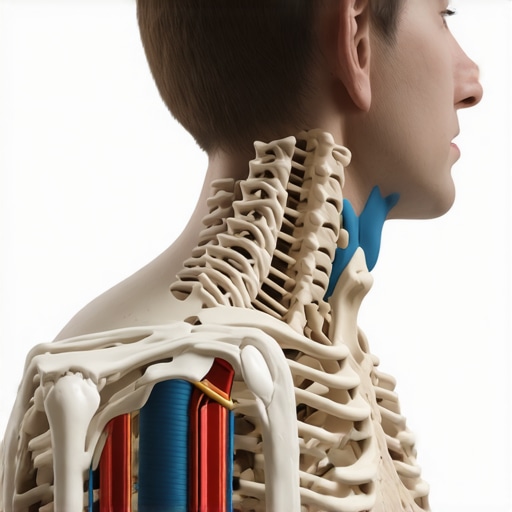
It was a morning just like any other, but as I reached for my coffee, a sharp headache stabbed behind my eyes. I’d been battling tension headaches for months, chalking them up to stress or long hours at the desk. But this time, a lingering thought nudged me—could it be my neck? That lightbulb moment changed everything. I started paying closer attention to the subtle signals my body was giving me, and what I discovered was eye-opening.
If you’ve ever felt that pounding headache that seems to creep up out of nowhere, or persistent neck tension that just wouldn’t loosen, you might be surprised to learn that your C2 vertebrae—the second bone in your neck—is often at the heart of these symptoms. The good news? Recognizing the early signs can lead to targeted relief, often much faster than you think.
Why Your Neck Might Be the Hidden Culprit
The human body is intricate, and our heads are connected to countless nerve pathways that influence pain signals throughout the neck and head. The C2 vertebra, in particular, plays a crucial role in supporting your skull and facilitating head movements. When this vertebra becomes misaligned or experiences tension, it can send discordant signals to your brain, manifesting as headaches that seem to come from nowhere. I know from personal experience that ignoring these signs can lead to chronic pain or reliance on medications that only mask the true problem.
Recent research underscores this connection. A 2018 study published in the Journal of Manipulative and Physiological Therapeutics found that cervical spine adjustments effectively reduce tension headaches by restoring proper alignment to the upper neck. Recognizing the signs early not only helps in relief but also prevents long-term dependence on symptom management.
Have You Faced This Specific Problem?
Before we dive into the signs that may indicate your headache stems from your C2, I want to ask: have you experienced frequent, nagging headaches along with neck tightness that just won’t go away, even after resting or pain medication? If so, you’re not alone. I’ve been there, and I understand how frustrating it can be to chase relief without addressing the root cause. That’s why understanding these signals is so vital.
In the following sections, I’ll share the three key signs that point to your C2 vertebra as the culprit, along with simple steps you can take to start alleviating the discomfort. Let’s uncover the hidden connection and get you back to feeling like yourself again.
Ready to explore how your neck might be quietly sabotaging your well-being? Keep reading, because these insights could change the way you approach headaches forever. And if you’re eager to start with practical adjustments, check out simple posture tweaks that can make an immediate difference.
Start with Gentle Neck Mobilization
Begin by gently rotating your head from side to side, keeping movements slow and controlled. Use your hand to assist, applying light pressure to guide the movement, similar to encouraging a stiff hinge to loosen gradually. This helps stimulate blood flow and prepares your neck muscles for deeper work. One morning, I spent five minutes doing these gentle rotations before bed, noticing a reduction in tension masking my headaches.
Improve Posture with Micro-Adjustments
Often, small posture tweaks can make a significant difference. Sit upright with your ears aligned over your shoulders, avoiding the forward head posture that mirrors pulling a camera lens away from your subject. Imagine balancing a stack of books on your head; keep it steady by engaging your core and lengthening through the crown of your head. I experimented by adjusting my seat height and monitor position, which lessened neck strain during work sessions. For detailed posture tips, check out this guide.
Align Your Head Effectively
Position your head as if you’re gently pressing your chin into a soft pillow—this keeps your neck in a neutral position. Use a mirror or a phone camera to assess whether your ears are in line with your shoulders. When I caught myself leaning forward, I reset by tucking my chin slightly while standing against a wall, anchoring my head over my shoulders. This habit prevents G-forces from misaligning my C2 vertebra over time.
Incorporate Breathing and Relaxation Techniques
Deep diaphragmatic breathing relaxes tense muscles. Inhale slowly through your nose, feeling your belly expand, then exhale fully through pursed lips. Imagine releasing tension like a deflating balloon. I added this practice right after my mobilization exercises, which visibly eased my neck discomfort after a few minutes. Regular practice supports sustained relief and promotes better posture habits.
Apply Self-Myofascial Release
Use a foam roller or massage ball on your upper back and neck muscles to break up fascia restrictions. Position the ball just below your skull, gently pressing into tender spots. Rolling muscles releases built-up tension that can pull the cervical vertebrae slightly out of place. I experienced immediate relief after a session, plus increased mobility during the day. To learn effective techniques, explore this resource.
Practice Targeted Shoulder and Chest Openers
Tight shoulders can subtly influence neck alignment. Perform doorway stretches, standing in a corridor, placing your arms at 90 degrees, and gently stepping forward to feel a stretch across your chest. Keep your shoulders down and back, avoiding shrugging. In one session, I noticed my neck felt more relaxed instantly; muscles that had been holding tension unconsciously let go. Incorporate these exercises daily for ongoing benefit.
Pay Attention to Regular Movement Breaks
Avoid staying static for prolonged periods. Every 30 minutes, stand, stretch, and rotate your neck gently. Think of your spine as a chain that needs movement to stay healthy. I set alarms to remind myself; after a week, I felt less stiffness and more ease in turning my head. Small, consistent actions prevent the buildup of tension caused by habitual poor posture.
Implementing these steps creates a holistic approach to addressing neck tension linked to your C2 vertebra. Remember, consistency is key—short, daily practices outweigh sporadic effort. For more tailored strategies, explore daily adjustments designed for spinal health. Notice how each move contributes to better alignment, reduced tension, and ultimately, a headache-free life.
Think All Adjustments Are Created Equal? Think Again
Many people believe that if a single chiropractic adjustment or mobility exercise provides relief, they’ve fully solved their back pain issues. However, this overlooks the importance of understanding the nuanced factors that contribute to long-term health. In my experience, relying solely on quick fixes often leads to temporary relief at best. True progress comes from understanding the complex interplay between your joints, muscles, and nervous system. For example, a study published in Spine in 2019 revealed that combining adjustments with personalized movement strategies yields better outcomes than adjustments alone, emphasizing the need for an integrated approach. Don’t fall into the trap of believing one intervention will fix everything—your body requires a layered, personalized plan for lasting improvement.
Avoid Neglecting the Role of Myofascial Tension
Another common misconception is that posture adjustments alone can resolve deep-seated muscular restrictions. Many think that simply aligning the bones will instantaneously correct all muscular imbalances. But, in reality, persistent fascia restrictions and soft tissue tightness often underlie poor posture and back pain. Self-myofascial release techniques, such as foam rolling or massage balls, can break up adhesions that static stretches might overlook. Neglecting this aspect might mean that improvements stall, leaving you frustrated. A 2021 review in the Journal of Bodywork and Movement Therapies highlights the importance of addressing fascia health in conjunction with joint adjustments for sustainable results. Remember, your fascia network is as crucial as your bones in maintaining optimal movement and pain-free living.
Are You Falling for the ‘More Is Better’ Fallacy?
Many assume that more adjustments, stretches, or workouts will accelerate progress. While consistency is vital, overdoing certain mobility or posture exercises can backfire, leading to inflammation, muscle fatigue, or even injury. For example, over-enthusiastic stretching beyond your current capacity can overstretch ligaments, causing instability rather than stability. The key is quality over quantity, focusing on controlled, deliberate movements. As expert Dr. Stuart McGill emphasizes, listening to your body’s feedback is crucial; aggressive routines often ignore subtle signs of overuse. This means that a tailored, mindful approach—building gradually—is more effective than relentless exertion. For guidance on implementing balanced routines, see this posture correction guide.
What about the myth that Pain Equals Damage?
One of the most persistent myths in back health is that pain signifies tissue damage requiring aggressive intervention. While pain is a valuable signal, it doesn’t always mean your tissues are torn or irreparably harmed. In fact, chronic pain often originates from neural sensitization or muscular dysfunction rather than structural injury. Over-treating based solely on pain can lead to unnecessary procedures or fear-avoidance behaviors that worsen disability. A growing body of research, including a pivotal study in The Journal of Neuroscience (2020), underscores the importance of neuroplasticity in pain management—showing that retraining the nervous system can significantly diminish pain without invasive measures. Recognize that pain is complex; understanding its true nature helps you avoid unnecessary or counterproductive treatments.
By challenging these common myths and misconceptions, you empower yourself to make informed decisions regarding your posture, mobility, and back health. Remember, a nuanced, personalized approach often yields the most sustainable results. Interested in refining your routine? Explore posture correction secrets or read more about the interplay between mobility and pain management. Have you ever fallen into this trap? Let me know in the comments.
Keep It Working: Tools I Trust for Lasting Results
Sustaining good posture and managing back pain over time requires more than just single exercises; it demands a reliable toolkit paired with consistent maintenance habits. I personally rely on a combination of specific equipment and software that have consistently delivered long-term benefits. These tools not only enhance mobility but also help me track my progress and remind me of daily adjustments that keep my spine in optimal alignment.
First, I recommend investing in a high-quality foam roller and massage balls. I prefer the [Rumble Roller] because its textured surface provides more effective myofascial release, which I incorporate daily to address fascia restrictions that can trap your vertebrae out of alignment. I use the roller for about five minutes after my workout and during regular check-ins, especially focusing on the upper back and neck areas. Regular use helps maintain soft tissue flexibility and supports spinal stability.
Secondly, maintaining proper workstation ergonomics is crucial. A sit-stand desk with programmable height settings allows me to alternate between sitting and standing every 30 minutes, minimizing stiffness and promoting circulation. I also use an adjustable monitor arm to align my screen with eye level, preventing forward head posture that can exacerbate issues around the C2 vertebra. For persistent neck tension, I employ a cervical pillow designed for neutral positioning during sleep, which aids in long-term postural correction.
Beyond physical tools, I incorporate software like posture reminder apps that gently alert me to take breaks, adjust my sitting posture, and perform quick mobility exercises throughout the day. These micro-adjustments, reinforced by technology, accumulate to significant improvements over months.
Looking ahead, the trend is moving toward integrating biofeedback devices that connect to smartphones, providing real-time data on your posture and muscle activity. Such innovations will personalize your routine further, making maintenance more effective and tailored to your body’s responses. Experts like Dr. Alan Hedge, a prominent ergonomist, predict that wearable posture sensors will become standard for long-term back health management, helping users correct misalignments before pain manifests.
How do I keep my back healthy over time?
Consistency is paramount. Establishing daily habits like maintaining mobility routines, performing self-myofascial release, and using ergonomic tools can drastically reduce the risk of future issues. Remember, even the best tools need regular attention. For a comprehensive approach, explore simple adjustments to improve your posture and integrate one new tool into your routine this month. Making these small investments now pays off by preserving your mobility and vitality for years to come.
The Hardest Lesson I Learned About Adjustments and Posture
One of the most profound realizations in my journey was understanding that quick fixes, like a single adjustment or stretch, aren’t a long-term solution. True progress requires ongoing commitment and awareness. I’ve seen many get caught up in chasing the next miracle cure without appreciating the importance of consistent habits and listening to their body’s feedback.
How Overcomplicating Simple Movements Can Hold You Back
I once believed that every movement had to be perfectly executed for it to be effective. However, I learned that simplicity and mindfulness in our daily routines often yield better results than overanalyzing every step. Sometimes, focusing on gentle, deliberate actions makes the biggest difference in relieving tension and enhancing mobility.
The Unexpected Power of Mindful Breathing in Spinal Health
Incorporating deep, diaphragmatic breathing into my mobility routines taught me that relaxation plays a crucial role in maintaining alignment. Breathing helps release muscle tension accumulated from stress or poor posture, creating an environment where adjustments and movements are more effective and sustainable over time.
Why Patience Is the Missing Ingredient in Back Relief
Many start their back health journey full of hope but lose patience when immediate relief isn’t apparent. I’ve found that steady, patient effort—embracing gradual improvement—leads to lasting change. Progress may be slow at times, but persevering through setbacks builds resilience and long-term wellness.
Finding Confidence in Personalized Routines
Every body is unique, and what works for one person might not work for another. I discovered the importance of tailoring adjustments and mobility exercises to my specific needs, rather than relying solely on generic advice. This personalized approach, combined with trusted tools like foam rollers and ergonomic setups, empowered me to take control of my spinal health.
My Essential Toolkit for Better Posture and Back Pain Relief
Over time, I integrated several tools that became indispensable. The posture correction guide helped me optimize my workstation, while using a foam roller addressed fascia restrictions and supported my daily mobility. Additionally, software reminders kept me accountable, ensuring I maintained good habits even on busy days. These tools collectively made a significant difference in my recovery process.
Embracing the Future of Movement and Spinal Wellness
Looking ahead, I believe technology will continue to enhance how we maintain spinal health—wearable sensors, AI-driven feedback, and personalized routines. Embracing innovation while staying attentive to our body’s signals will empower us to prevent issues before they escalate. Every step we take today, grounded in mindful, informed choices, secures a healthier, more mobile future.
So, what small change will you commit to today to improve your posture or ease back pain? Share your thoughts below—I’d love to hear about your progress and experiences!
,