
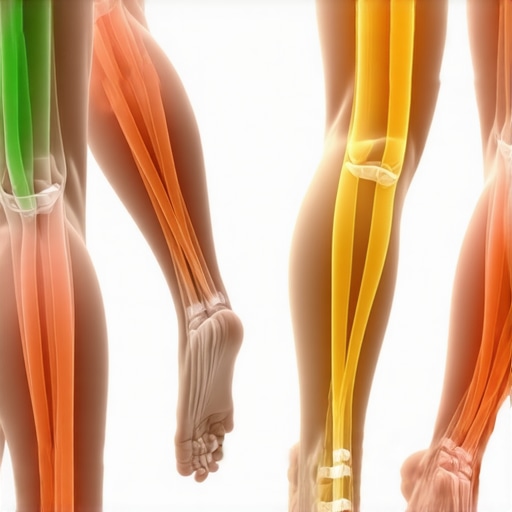
It was a morning like any other. I was slipping into my shoes, trying to ignore that annoying twinge in my lower back, when suddenly, a shooting pain shot down my leg. I froze. Why now? I thought I had tried everything – stretching, better posture, a new chair. But nothing seemed to stick. That distressing, radiating pain felt all-consuming. In that moment, I realized I wasn’t alone; many people are caught in this frustrating cycle, desperately searching for relief. And let me tell you, I found out the hard way that not all exercises promise results.
Over the past few years, I’ve encountered countless clients and friends battling similar leg pain that just won’t quit. And after a multitude of trial-and-error, I discovered that certain nerve gliding exercises can make a real difference—if done correctly. These aren’t just trendy stretches; they are targeted movements that help free up pinched nerves and restore mobility. Today, I want to share the four nerve glides that actually work and how you can incorporate them into your routine.
Why Some Nerve Glides Make the Difference You Need
Many folks, myself included initially, assume that stretching is always the answer. But in reality, nerve mobility is a different game. Nerves like to glide smoothly through tissues, and when they get stuck or compressed, pain and numbness follow. It’s similar to a cable that’s been tightly twisted for too long—eventually, signals get disrupted. Regular stretching might help, but nerve glides target that specific issue. They gently coax your nerves into better movement, reducing irritation and easing pain.
However, a common mistake I made early on was falsely believing that I should only stretch to fix my symptoms. I didn’t realize that aggressive or improper techniques could actually worsen nerve compression or cause more inflammation. It’s like trying to fix a delicate wire by pulling on it; often, careful gliding, rather than aggressive stretching, is the key.
Studies support this approach. Research published in the *Journal of Orthopaedic & Sports Physical Therapy* highlights how nerve gliding exercises can significantly reduce symptoms of sciatica and leg pain when properly performed. So, if you’ve been frustrated with conventional treatments, there’s hope—these simple, targeted movements could be your game-changer.
Are you tired of enduring that persistent leg pain? Have you tried everything but still feel stuck? Keep reading, because the next section will walk you through the exactly how and why these nerve glides work—and how you can start experiencing relief today.
Start Small with Gentle Movements
When I first attempted nerve gliding, I was clumsy—wobbly and unsure. I cleared a small space, stood upright, and gently raised my arm overhead, extending my neck to match the movement. Think of nerves like cables—if you tug too hard, they fray. So, I moved slowly, feeling for resistance. This initial step is crucial: start with minimal motion and listen to your body’s signals. Performing this consistently, I noticed a decrease in numbness after just a few days. Regular, gentle repetitions help lubricate nerve pathways, much like oiling a squeaky hinge.
Target Specific Nerves with Precision
Once comfortable, I focused on specific nerve pathways. For sciatic nerve relief, I bent my knee slightly while turning my ankle outward, holding for a few seconds before releasing. It’s akin to unjamming a stubborn door hinge; targeted movements ease the blockage. Make sure your movements are deliberate; sharp or jerky actions can worsen symptoms. Spend 2-3 minutes daily on each glide. Think of these as unlocking the tight spots of your nervous system gradually, not forcing them open all at once.
Adjust Your Position for Better Alignment
Proper posture enhances nerve mobility. Sitting with feet flat, I aligned my pelvis by engaging core muscles—imagine pulling your belly button towards your spine. This reduces forward slumping, which can compress nerves. Incorporate regular posture checks through the day; a slight tilt forward can diminish nerve tension. If you want to get detailed, explore how daily adjustments can optimize your spinal health. I incorporated simple seat adjustments and found immediate relief from leg tingling.
Monitor and Progress Gradually
As I gained confidence, I extended the range of motion slowly, like turning a dial—never forcing, only progressing when the movement felt effortless. If pain or numbness resurfaces, revert to previous, comfortable ranges. Remember, nerves need gentle coaxing—not aggressive stretching. Over time, I experienced increased mobility and a significant reduction in radiating pain. The key is patience: consistency over intensity builds lasting improvements. For more detailed strategies, consider exploring daily spinal adjustments.
Incorporate Movement into Daily Routine
I made nerve gliding exercises part of my morning ritual, like brushing teeth—routine becomes the bridge to relief. Whether seated or standing, perform 5-minute sessions twice daily. Think of it as oiling a squeaky wheel regularly to keep it turning smoothly. Over weeks, this habit reduced the nerve irritation that once caused persistent pain, proving consistency is key. To deepen your understanding of mobility strategies, check out top mobility strategies.
Simplify and Stay Patient
My experience taught me that simplicity wins. Focus on small, deliberate movements, keep your posture aligned, and progress gradually. Don’t rush or push into pain; nerves need gentle handling. Persistent practice will unlock new levels of comfort, making everyday activities easier. Remember, every effort counts toward reclaiming mobility and reducing pain. For comprehensive guidance, consider integrating daily enhancements from posture correction techniques.
Many people believe that stretching more or constantly adjusting their posture will automatically lead to better back health, but in my experience, these assumptions often overlook crucial nuances. For instance, the common myth that **more flexibility always equates to better mobility** can be misleading. Excessive stretching, especially if done improperly, can destabilize your joints and weaken the supporting musculature instead of aiding recovery. According to a 2020 study published in the *Journal of Bodywork and Movement Therapies*, over-stretching can interfere with proprioception—the body’s ability to sense its position—leading to increased injury risk and compromised movement patterns.
It’s also important to recognize that **posture correction isn’t just about holding perfect alignment**; it’s about habitual, subtle realignments throughout the day. Many try to sit straighter by tensing muscles, which can create additional tension and fatigue, instead of engaging in **gentle, automatic adjustments** that promote long-term health. Focusing solely on static postures ignores the dynamic nature of movement and how our bodies adapt during daily activities.
Furthermore, there’s a trap many fall into called the **”quick fix” mindset**—believing that a single adjustment or quick stretch resolves chronic issues. This approach often neglects underlying dysfunctions, such as pelvic misalignments or muscle imbalances, which require a comprehensive strategy. An article by Dr. Stuart McGill highlights that **addressing core stability and specific movement patterns** yields more sustainable improvements than relying on postural holdings alone.
For more advanced strategies, exploring how intentional, targeted mobility exercises—such as those detailed in our *mobility mastery* guide—can unlock better movement without risking overcorrection. Integrating gentle, consistent adjustments like the ones discussed on our site can prevent the common mistake of neglecting natural movement variability.
Thinking about your own habits—have you ever fallen into these traps? Let me know in the comments! Remember, mastering mobility involves understanding your body’s nuances, not just following generic advice.Maintaining your mobility gains over the long term requires more than just occasional exercises; it demands the right tools, consistent effort, and strategic adjustments. One of my go-to devices for ensuring ongoing progress is a quality foam roller. I personally use a dense, high-density foam roller because it helps me release muscle tension and fascia restrictions that might interfere with nerve gliding exercises. Regularly rolling out areas like the hips, hamstrings, and lower back keeps tissues supple and prevents scar tissue buildup, which can compromise nerve mobility. For best results, I incorporate it into my post-work routine and after deep stretching sessions, making sure my muscles are primed for effective nerve gliding movements.
Is Your Equipment Supporting or Hindering Your Progress?
Choosing the right equipment is crucial, especially as you scale your efforts. For example, a set of resistance bands can be an inexpensive yet powerful addition to your mobility toolbox. I use resistance bands tailored for shoulder and hip mobility exercises, providing gentle resistance that enhances flexibility without overstressing joints or nerves. They enable me to perform controlled, targeted movements that reinforce healthy movement patterns and preserve the gains achieved through previous work. Supplementing your routine with tools like bands can also help you progress in complexity and intensity safely, supporting long-term improvements.
Another tool I find invaluable is a posture corrector or lumbar support cushion for my workspace. When I do desk work, I wear a discreet posture brace designed to promote proper spinal alignment. It acts as a physical reminder to sit correctly, reducing strain, and preventing slouching that could undo months of mobility work. Using such ergonomic aids consistently ensures that your body remains within optimal movement ranges, and it prevents the re-establishment of bad habits that damage posture and nerve function.
What’s Next in Mobility Maintenance?
The field of mobility and posture correction is rapidly evolving, with wearable technology and smart devices beginning to play a significant role. Devices that monitor posture, provide real-time feedback, or vibrate to alert you when you slouch are gaining popularity. These innovative tools can serve as personal trainers, nudging you to correct improper positions before they cause long-term issues. In the future, I anticipate even more integrated systems that connect app-based routines with biofeedback, customizing exercises based on your real-time needs and progress.
To stay ahead, I suggest incorporating a simple yet effective practice: daily self-assessment using a mirror or recording your posture periodically. This habit, combined with tools like resistance bands for dynamic mobility work and ergonomic supports for sustained correction, can dramatically extend the benefits of your efforts. Remember, consistency is key. If you’d like a more structured approach, check out how targeted adjustments can make a difference on our daily spinal alignment guide.Through my personal experiences and deep dives into effective movement strategies, I realized that many overlooked nuances can make or break your progress. One of the hardest lessons I learned was that _pushing through pain_ or overextending during nerve gliding exercises often set me back longer than a day of rest. Patience and gentle focus became my best allies. I also discovered that _small habits_—like mindful posture checks or incorporating mobility tools—compound over time, transforming persistent pain into freedom of movement. Lastly, I found that _trusting scientific insights_ over trending advice keeps your journey grounded and results sustainable. Embracing these insights reshaped my approach, turning frustration into empowerment.