
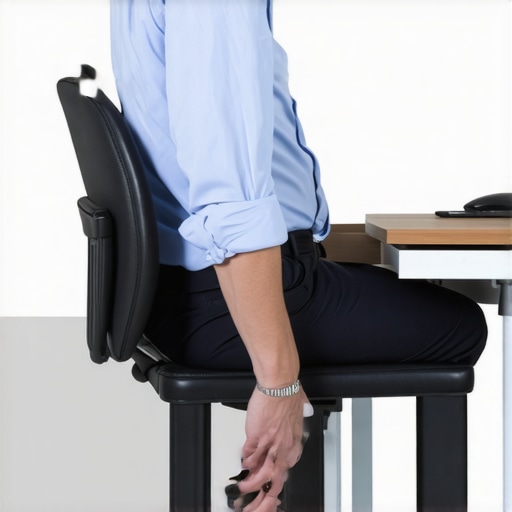
I’ll never forget the moment I realized my office chair was secretly sabotaging my back. Sitting there, neck tight, lower back protesting, I caught a glimpse of my reflection in the monitor—my pelvis tilted awkwardly backward, and I had no idea! It was a lightbulb moment that changed everything about how I approached desk work. If you’ve ever felt that nagging discomfort after hours of sitting or wondered why your back always feels stiff, you’re not alone. Many folks don’t realize their office chair could be the culprit behind pelvic tilt and back pain.
Why Your Office Chair Might Be Tipping Your Pelvis Backward
Could Your Chair Be the Hidden Offender?
Many workplace setups are overlooked when it comes to ergonomic support. An adjustable chair that isn’t properly aligned can inadvertently encourage your pelvis to tilt backward. This subtle shift throws off your spinal alignment, leading to discomfort and even chronic pain over time. I made the mistake early in my career of assuming all chairs were created equal—big mistake! I didn’t realize that the way my chair supports my hips and pelvis directly impacts my posture. According to a study published in Applied Ergonomics, improper seating can significantly contribute to lower back pain, which affects nearly 80% of adults at some point in their lives. Recognizing this is the first step to correcting course.
So, how can you tell if your chair is nudging your pelvis out of its natural position? And what steps can you take to realign yourself and alleviate discomfort? That’s what we’ll uncover next. Have you noticed your hips feeling uneven or your back aching after prolonged sitting? Keep reading—solutions are within reach.
Adjust Your Seat Height and Position
Start by setting your chair height so your feet are flat on the floor and your knees are at a 90-degree angle. Imagine your pelvis as the foundation of a house; if it’s off-balance, everything above suffers. That’s what happened when I first tried this. I adjusted my chair, and initially, it felt awkward—like walking on uneven ground. But after a few minutes, I noticed my hips sat more evenly, and my lower back pain diminished significantly.
Use Lumbar Support Effectively
Ensure your chair provides proper lumbar support that conforms to the natural curve of your lower back. If your chair lacks this, add a small pillow or a rolled-up towel behind your lumbar region. Think of it as scaffolding holding your pelvis in place. When I incorporated a supportive cushion, I felt immediate relief, and my pelvis maintained a more neutral tilt during long hours.
Implement Proper Posture Habits
Keep your pelvis in a neutral position by avoiding tucking or over-arching it. Sit back fully against the chair, with shoulders relaxed and chest open. On a busy day, I often caught myself slouching forward. Recalling this step helped me re-engage my core muscles, similar to tightening a belt to stabilize a loose structure. Regularly checking your posture, perhaps using a mirror or a camera, can reinforce correct habits.
Engage Your Core Muscles
Strengthening your core helps support your pelvis and reduces tilt. Incorporate simple exercises like planks or pelvic tilts into your routine. For example, I started doing pelvic tilts during breaks, gently flattening my lower back against the chair and engaging abdominal muscles. Over a few weeks, this built a habit that automatically aligned my pelvis while sitting.
Incorporate Dynamic Movement
Standing up and moving every 30 minutes stimulates circulation and prevents stiffening. Use your breaks to perform gentle stretches or walk around. I found that a quick walk to the water cooler reset my postural habits, much like rebooting a frozen computer. These small movements reinforce proper spinal alignment and keep your pelvis from tilting backward.
Leverage Mobility Exercises
Adding targeted mobility routines can loosen tight muscles and promote better posture. Exercises like hip flexor stretches or spinal twists help reduce muscular imbalances that contribute to pelvic tilt. Once, I dedicated five minutes daily to hip openers, which made a noticeable difference in how my pelvis sat through the day.
Regularly Assess Your Posture
Use mirrors or record yourself sitting to catch subtle misalignments. It’s easy to get used to discomfort without realizing it. I started taking short clips of myself working, which revealed tendencies to slump or tilt backward. Correcting these habits, aided by the previous steps, created lasting change and prevented future pain.
Implementing these steps requires consistency but pays off by realigning your pelvis and easing back discomfort. Remember, small, deliberate adjustments are more sustainable than drastic overhauls, and combining them with mobility routines can accelerate your progress.
Many believe that simply sitting upright or using ergonomic equipment alone can fix chronic back issues, but this oversimplification often leads to ineffective solutions. The truth is, most people get wrong the nuances of how adjustments work within the complex biomechanics of the body. For instance, relying solely on quick-fix posture corrections without addressing underlying muscular imbalances can do more harm than good. A common myth is that back pain always originates from the lumbar spine, but research indicates that pelvic alignment and core stability play a crucial role in pain managementLearn more about mobility exercises here. Moreover, many practitioners overlook the importance of dynamic movement. Static postures reinforce the misconception that fixing one position is enough; however, our bodies are designed for movement, and neglecting this leads to stiffness and compensatory patterns. An advanced mistake is misapplying adjustments without understanding tissue-specific responses—some tissues like ligaments respond differently than muscles to manual therapies, potentially leading to instability if not properly managed. Expert insights warn against over-reliance on passive treatments, emphasizing the need for active engagementDiscover active strategies here. To truly benefit, integrating mobility routines and self-correction techniques is essential. For example, practicing controlled pelvic tilts and engaging core muscles during daily activities fosters long-term improvements. Remember, effective posture correction isn’t a one-time fix; it involves a comprehensive understanding of biomechanics, tissue adaptation, and consistent habits. Want to learn more about applying these principles into your routine? Visit our privacy policy page for more insights. Have you ever fallen into this trap? Let me know in the comments. Take a proactive approach and explore our mobility enhancement tips for 2025 to elevate your back health.
Keep It Working: Essential Tools for Lasting Results
Maintaining healthy posture and back function requires more than just awareness; it demands the right tools to support your journey. Over the years, I’ve found that specific equipment and software make a significant difference in reinforcing good habits and tracking progress.
Invest in a Quality Sit-Stand Desk
A reliable sit-stand workstation transforms your daily routine. I personally use the Varidesk Pro Plus, which offers smooth height adjustments and sturdy support. This setup encourages movement, reduces static postures, and prevents back strain. According to recent studies, alternating between sitting and standing can decrease lower back pain and improve mobility over time.
Utilize Posture Correcting Devices
Wearable posture trainers like Upright GO 2 act as real-time reminders, gently vibrating when you slouch. I wear mine during focused work sessions; it nudges me to sit upright and engage core muscles actively. These devices help internalize proper posture patterns, making long-term correction easier.
Leverage Mobility and Strength Apps
Digital tools such as Pocket Physical Therapist or PhysioAdvisor offer guided exercises tailored to my needs. I program daily routines into these apps, focusing on core strengthening, hip mobility, and back stabilization. These routines complement manual adjustments and ensure progressive improvements.
Incorporate Foam Rollers and Resistance Bands
My go-to equipment includes a high-density foam roller for my thoracic spine and yoga resistance bands for hip flexibility. Regular use alleviates muscular tightness that can perpetuate pelvic tilt and back pain. The combination of self-myofascial release and targeted stretching supports tissue health and mobility longevity.
Future Trends: Smart Posture Technology
Looking ahead, I predict an increase in smart wearables integrated with AI to analyze movement patterns more accurately. Devices that sync with your phone and provide personalized feedback will become staple tools for sustainable posture correction. As technology advances, these tools will become more intuitive, helping users maintain optimal alignment effortlessly.
How do I maintain these tools over time? Better yet, how can you ensure they keep working for you?
Regular maintenance is crucial. Clean your sit-stand desk surfaces weekly, recalibrate electronic devices monthly, and stay updated with software upgrades. Physical tools like foam rollers should be cleaned and replaced when worn. Consistently revisiting your routine—like adjusting your workspace or updating app routines—ensures long-term benefits. For comprehensive strategies, explore top mobility strategies that reinforce these tools.
If you’re serious about sustained improvement, consider a periodic assessment with a health professional. They can help you tune your tools and techniques for maximum benefit. And remember, integrating active movement with these tools accelerates progress—nourishing your tissues, supporting your joints, and maintaining your back health in the long haul.
Want to explore more advanced, personalized tips? Dive into mobility tips for 2025 and start elevating your back health today.
The Hardest Lesson About Listening to Your Body’s Signals
One of the most eye-opening lessons I learned was realizing that persistent back discomfort often hides in plain sight—underneath poor seating habits and overlooked muscle imbalances. It took me months of trial, error, and reflection to understand that tiny habitual tics, like slouching or neglecting core engagement, compound over time, creating a cycle that’s hard to break without mindful intervention.
Why Small Adjustments Have a Big Impact on Pelvic Alignment
Initially, I dismissed minor posture tweaks, thinking they were insignificant. But I discovered that consistent, simple changes—like adjusting my monitor height or incorporating micro-movements—retrained my body’s habitual patterns. These small shifts led to remarkable improvements in back comfort, proving that sustainable change isn’t about huge overhauls but dedicated, incremental steps.
What I Wish I Knew About Active Movement During Workdays
Moving actively isn’t just a break from sitting; it’s a vital habit that supports pelvic neutrality. I used to believe in perfect posture as a static goal, but I found that dynamic movement—stretching, walking, shifting—actually conditions tissues and prevents stiffness. Embracing movement as part of my routine transformed my long-term posture health, making discomfort far less frequent.
Curated Recommendations for Lasting Back Relief
From my experience, investing in key tools like a quality sit-stand desk (I swear by my Varidesk), posture reminders such as wearable trainers (Upright GO), and mobility apps have been game-changers. Additionally, incorporating foam rollers for my hips and thoracic spine helped maintain tissue flexibility. For those serious about sustained results, I recommend exploring top mobility strategies—these resources provide actionable insights that truly make a difference.
Your Next Step Toward Better Back Health
Remember, improving your pelvic alignment and back comfort isn’t a one-time event but a continuous journey. Cultivating awareness, embracing movement, and leveraging the right tools empower you to take control of your back health. If you’re ready to deepen your understanding and accelerate your progress, check out mobility tips for 2025. Your future self will thank you!