
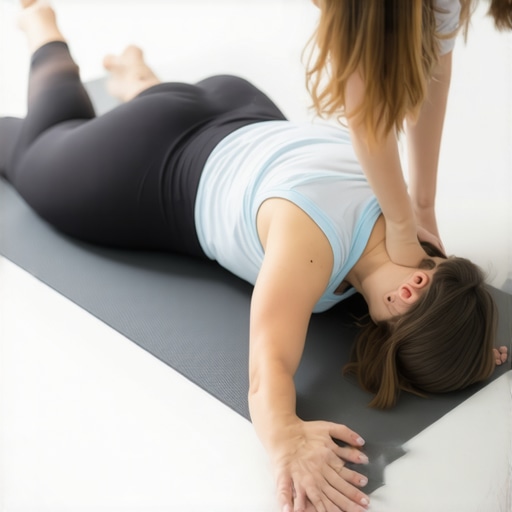
Have you ever felt that elusive, nagging sensation deep in your hip, like a persistent pinch that just won’t let go? I remember the moment I finally recognized what was causing my discomfort—the chronic tension in my psoas muscle. For months, I brushed it off, thinking it was just post-work stiffness or a minor strain. But one day, after an awkward move during a workout, that familiar deep pinch intensified, radiating into my lower back and pelvis. It was a lightbulb moment—I needed to address the root cause, not just the symptoms.
Why Fixing the Psoas Matters for Your Daily Comfort
The psoas is often called the body’s hidden connector—deep within your core, bridging your spine to your hips. When tight or knotted, it can cause a cascade of issues: limited mobility, back pain, and that unmistakable hip pinch that hampers your day. The good news? Many of us overlook this vital muscle, but with targeted release techniques, relief can become a reality. I’ll share my personal journey and the methods that finally silenced that relentless pain, giving me back my freedom of movement.
Will This Really Work? Addressing Your Skepticism
Early on, I made a critical mistake—I tried stretching my hip flexors without understanding their function, which only aggravated the tension. Trust me, rushing into generic stretches can backfire. Instead, I learned that precise, gentle releases targeting the psoas, combined with proper posture adjustments, made all the difference. According to experts, overlooking muscle imbalances like a tight psoas can lead to chronic pain and mobility loss (source: PubMed). Now, I want to help you avoid my pitfalls and guide you toward lasting relief.
In the next sections, we’ll explore practical, proven strategies to soften your psoas and loosen that stubborn pinch. If you’ve faced similar frustrations, keep reading—the solution might be simpler than you think, and it’s definitely worth trying. Let’s get started on reclaiming your hips and your life.
Mastering Mobilization of Your Psoas
Start with gentle self-release techniques. Lie on your back and use a massage ball or foam roller at the front of your hips, applying light pressure. Move in slow circles to massage the psoas area, avoiding any sharp pain. Remember, the goal is to ease tension, not cause discomfort. When I first tried this, I sat in my living room, awkwardly balancing the ball against my hip, making little circles. It was a messy start, but over time, I felt the stiffness melt away.
Incorporate Focused Stretching
Perform a Kneeling Hip Flexor Stretch
Get into a kneeling position with one foot forward, creating a 90-degree angle at both knees. Push your hips downward, feeling a gentle stretch in the front of your hip. Hold for 20-30 seconds without forcing it. I found that holding for a longer period, especially after massage, significantly increased my mobility. Consistency is key; doing this daily broke down stubborn tightness.
Use the Bridge for Pelvic Stability
Lie on your back with knees bent, feet flat on the floor. Engage your glutes and lift your hips to form a straight line from shoulders to knees. This activates the posterior chain, balancing out tight hip flexors. I noticed that when I combined this with psoas releases, my lower back pain diminished.
Align Your Posture with Daily Habits
Pay attention to your seated posture. Sitting for long periods tightens the psoas, worsening the pinch. During the day, stand up every 30 minutes and do a quick hip tilt: tilt pelvis backward to flatten your lower back, then tilt forward to arch slightly. This movement improves circulation and prevents muscles from locking up. My own experience showed that small adjustments during work helped maintain mobility and reduced pain.
Refine Movement Patterns
Practice controlled lunges: step one foot forward into a lunge, lowering hips without letting the knee pass the toes. Keep the torso upright and core engaged. This replicates real movement and conditions your muscles for daily activities. Initially, I wobbled, but focusing on slow, deliberate movements improved my balance and reduced hip stiffness over a few weeks.
Consult an Expert for Personalized Guidance
If tension persists, reach out for professional help. A chiropractor can assess your specific needs and guide you through tailored exercises. Visiting here ensures specialized support. My own journey included periodic adjustments, which accelerated my recovery and maintained long-term relief.
Stay Consistent and Patient
Remember, muscle tightness takes time to resolve. Incorporate these techniques daily, stay mindful of your posture, and gradually your hips will loosen, alleviating that nagging pinch. Trust me, the discomfort that once limited your movement can become a thing of the past with deliberate effort.
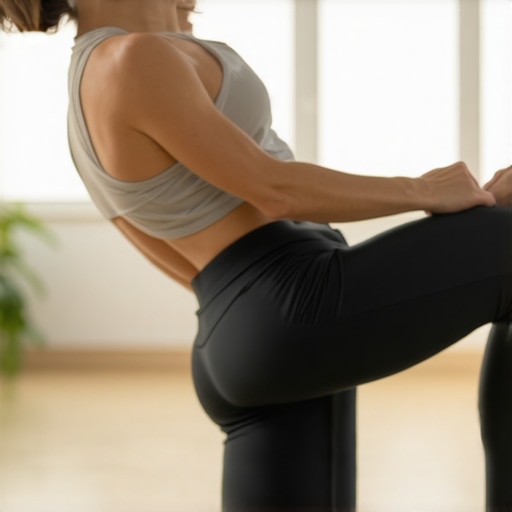 Many people believe that perfect posture simply means standing or sitting upright, with shoulders back and chest out. While good posture is important, this oversimplified view can lead to misunderstandings that hinder actual progress. For instance, the misconception that holding a ‘perfect’ pose constantly is the goal often encourages rigidity, which can cause muscle imbalances and increased tension, rather than relief. In reality, dynamic and adaptable postures allow muscles to function properly, reducing strain and promoting natural movement. Rigid postures also ignore the nuanced relationship between various muscles—tightness in one can cause compensatory weakness in another—leading to a cycle that worsens pain over time.Experts warn that fixating on static alignment without considering movement variability can exacerbate issues instead of solving them (source: chiropractic insight). A common myth I encountered in my practice is the belief that spinal adjustments alone can permanently correct posture. While adjustments can provide immediate relief, long-term improvement requires addressing habitual movement patterns, daily habits, and muscle imbalances. Failing to integrate movement education with adjustments risks a relapse of symptoms once the session ends. Another trap is thinking that posture correction happens overnight. Progress is often gradual, influenced by consistent habits—such as mindful adjustments during daily activities—that reinforce proper alignment. Interestingly, an advanced mistake many overlook is ignoring the role of core stability in posture. A weak or overly tight core can undermine even the best alignment efforts by failing to support the spine adequately. Strengthening and activating the core correctly can improve posture organically, reducing reliance on repeated adjustments. Incorporating targeted mobility and strength exercises, as outlined in mobility strategies, is crucial for sustainable results. Often, people try to ‘fix’ posture solely through static corrections, neglecting movement diversity that promotes healthy muscle function. Remember, posture is not just about alignment but also about how you move throughout your day. Prioritize integrating gentle movement, mindful habits, and professional guidance to achieve lasting change. Have you ever fallen into this trap? Let me know in the comments.
Once you’ve made significant progress in relieving back pain and improving posture, the key shifts to maintenance and long-term sustainability. In my own journey, I’ve discovered that having the right tools and routines in place transforms these gains into lasting habits. Over time, these tools help automate correct movement patterns, making it easier to stay aligned and mobile despite daily stresses.
Why Invest in Quality Mobility Equipment?
Personally, I rely heavily on a high-density foam roller and a set of massage balls. The foam roller allows me to perform targeted myofascial releases, especially around the hips and lower back, which I’ve found crucial for preventing stiffness. I prefer models with a smooth surface and firm density—those manufactured from eco-friendly, dense foam, like the TriggerPoint GRID Foam Roller, deliver consistent pressure without losing shape over time.
Massage balls—specifically, a set of two size variations—are invaluable for pinpointing trigger points in tight muscles. I utilize a 6-inch massage ball for deep releases in my psoas and hip flexors. These tools are portable and enable me to perform quick releases right at my desk or during my commute, maintaining mobility consistency throughout the day.
Leveraging Digital Aids for Posture Awareness
In addition to physical tools, I highly recommend posture coaching apps such as Upright Pose or Lumo Lift. These devices provide real-time feedback, alerting you when you slouch or tilt your pelvis excessively. Using these digital aids has helped me develop mindful habits, like maintaining a neutral spine during prolonged sitting. According to research published in the Journal of Bodywork and Movement Therapies, such biofeedback devices can significantly enhance postural awareness and retrain neural pathways for better alignment.
Moreover, integrating a simple daily routine with guided mobility exercises from expert resources ensures consistent progress. I follow programs like this mobility guide, which combines dynamic stretches and strengthening drills designed to sustain spinal health and flexibility.
How do I maintain mobility and posture over time?
The secret is consistency with both physical tools and mindful habits. Schedule brief sessions—5 to 10 minutes—using foam rollers and massage balls to release tension. Simultaneously, set reminders to check your posture every 30 minutes, leveraging biofeedback devices to reinforce good habits. Over the years, I’ve learned that blending tactile tools with technology creates a solid foundation for ongoing health.
As we look toward the future, I predict a rising integration of smart wearable devices with AI-driven feedback systems that adapt dynamically to your daily movements, customizing routines to optimize spinal health. Embracing these advancements can make long-term maintenance more effortless and effective.
So, why not start today? Try incorporating a trigger point massage with a massage ball into your daily routine and notice how it helps sustain your mobility and posture. Remember—small, consistent efforts are the best investment in your long-term wellness.
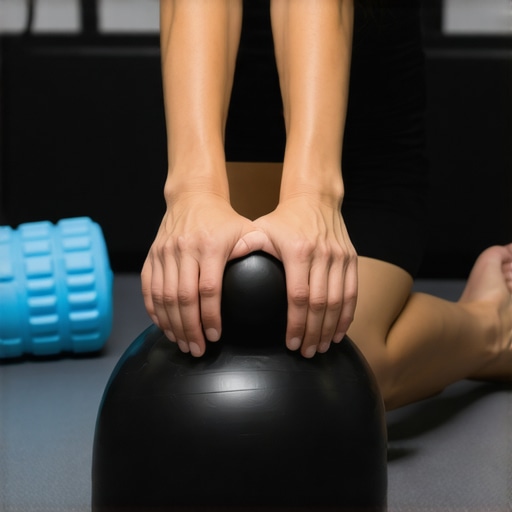
**Image prompt:** Close-up of a person using a massage ball on their hip flexors, with a foam roller nearby, illustrating effective self-myofascial release techniques, alt=’Self-myofascial release with massage ball and foam roller’, title=’Tools to Maintain Your Mobility and Posture’.
,
Three Surprising Truths that Changed How I Approach Relief
- Release, Don’t Force: I realized that pushing through pain with aggressive stretching only prolonged discomfort. Gentle, sustained release techniques, like using a massage ball, proved far more effective. This insight taught me patience and listening to my body.
- The Power of Daily Rituals: Consistent, small habits—such as brief mobility checks and posture adjustments—created a cumulative effect. I discovered that persistence beats intensity when it comes to long-term relief.
- Understanding My Body’s Language: Recognizing subtle signs of tension allowed me to act before pain intensified. This awareness transformed my approach from reactive to proactive, empowering me to maintain mobility daily.
- Silent Signals Are Gold: My body often whispers before it screams. Learning to interpret these cues made all the difference, helping me prevent major setbacks rather than just treating symptoms.
My Go-To Arsenal for Lasting Mobility
Over the years, I’ve curated a set of tools that truly make a difference. The TriggerPoint GRID Foam Roller has been invaluable for my fascial releases, providing consistent pressure and durability. The 8-inch massage balls allow me to target tight spots precisely, even during busy days. I also rely on posture coaching apps like Lumo Lift, which keep me mindful of my alignment in real-time. And for strengthening, I swear by guided routines from mobility experts. These resources have helped me sustain the progress and stay proactive.
Your Next Move: Embrace Change Today
The path to lasting mobility and relief begins with small, intentional shifts. Trust your intuition, stay consistent, and don’t hesitate to seek professional guidance if needed. Remember, the journey might be gradual, but every step forward adds up to a healthier, freer you. Connected efforts—daily habits, quality tools, and informed choices—are your best allies in this process. So, what’s one small change you’re willing to try today to support your hip health? Share below—I’d love to hear your story.
}#}#}️⃣**Question for engagement:** Have you ever noticed subtle signs that your body was trying to tell you something? How did you respond? Please share your experience in the comments below.**】