
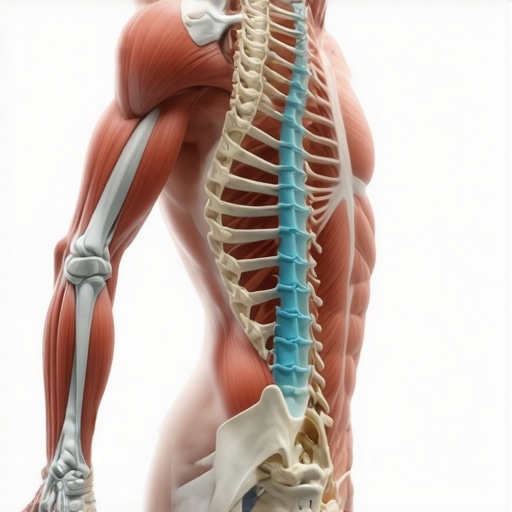
I remember the exact moment I realized my efforts to tighten my core were backfiring. I’d been doing endless planks, crunches, and core exercises, convinced that a stronger midsection would banish my back pain. But one morning, I woke up with a sharper ache, and suddenly, everything felt worse. That lightbulb moment hit me hard: sometimes, squeezing tighter isn’t the answer. It’s a common misconception many of us believe—thinking that the more we tighten, the better our backs will be protected. But in reality, an overly tight core can actually restrict movement, cause muscle imbalances, and even intensify pain instead of easing it.
The Real Problem With a Tighter Core
If you’re like me, you’ve probably spent time trying to strengthen your core to improve posture and reduce back issues. The idea seems logical—build a robust center, and your back will be grateful. However, the truth is more nuanced. When your core muscles become overly tight or rigid, they lose the flexibility needed to support your spine dynamically. This rigidity can create a tug-of-war effect, pulling on your lumbar region and exacerbating discomfort. As I learned the hard way, having a strong, flexible core is far more beneficial than simply aiming for maximum tightening.
Early on, I made the mistake of overemphasizing core strength without integrating proper mobility and relaxation. As a result, my back pain worsened, and I experienced more frequent stiffness and discomfort. An insightful study published in the Journal of Orthopaedic & Sports Physical Therapy highlights that muscle tightness and imbalance are often overlooked contributors to chronic back pain. Instead of focusing solely on tightening, it’s essential to balance core activation with adequate mobility, breathing, and relaxation techniques.
So, What’s the Solution?
I’ll walk you through simple, effective strategies to unlock your core’s natural support system—without making it stiff and unyielding. Whether you’re recovering from injury or just want a pain-free movement routine, understanding the right balance can transform your approach. Ready to ditch the rigidity and embrace a more fluid, pain-free back? Good. Let’s start with the basics, and I’ll show you how to avoid the common pitfalls that keep many stuck in pain cycles.
Is Strengthening the Core Really Worth the Hype?
Thinking back, I was guilty of falling for the hype—believing that a perfect, rock-solid core was the holy grail. I ignored the fact that muscles need to be both strong and pliable. A mistake I made early on was neglecting daily mobility and relaxation practices that my body desperately needed. Many folks overlook how crucial it is to incorporate gentle movement and mindful breathing into their routines. Want to learn how I turned my pain around? You’re in the right place. You can explore effective mobility drills and posture tips [here](https://chiromasteryz.com/enhance-your-mobility-expert-tips-for-easier-movement-in-2025).
Prioritize Gentle Movement Over Tension
Start each day with a simple mobility routine, akin to priming a car engine before a drive. I once spent an awkward morning wobbling through basic stretches, but I noticed immediate relief in my lower back when I focused on fluid, controlled motions instead of stiff, tense holds. Incorporate gentle spinal rotations, pelvic tilts, and hip openers to loosen tight areas and prepare your core for daily tasks. You can explore specific mobility drills that maximize movement quality without risking overstretching.
Learn to Breathe Deeply and Relax
Breathing deeply is underrated. When I caught myself holding my breath during seated work, I timed my inhales and exhales to match slow, deliberate rhythms. This practice reduces unnecessary tension in the core and back muscles, preventing a cycle of rigidity that worsens pain. Think of your core as a flexible bellows—expanding and contracting harmoniously. Practice diaphragmatic breathing daily and observe how subtle relaxation reduces overall muscle tightness. For guided techniques, check out daily adjustment tips.
Shift Your Focus to Dynamic Stability
Instead of static planks or crunches, embrace movements that promote dynamic stability—like slow marches or controlled leg swings. I added mini-movements during my stretch sessions, acting like a stretching string that has a little give. This approach trains your core to support your spine during natural movement, rather than becoming stiff and unyielding. Think of your core as a suspension bridge—flexible enough to absorb shocks. Regularly practicing mobility strategies can elevate your posture and reduce the likelihood of muscle imbalance.
Practice Conscious Postural Adjustments
Postural tweaks might seem minor, but they have a profound impact. I caught myself slouching during long computer sessions—an act that gradually tightened my back muscles. Instead, I engaged my core gently to maintain an upright position, like tightening a loose lid. Break long periods of sitting with small adjustments: lift your chest, open your shoulders, and keep your chin in line. You can discover simple posture adjustments that relieve chronic strain.
Integrate Mobility and Relaxation in Routine
Consistency is key. I scheduled short routines—five minutes before work, middle of the day, and after—which acted like maintenance checks for my spine. This repeated pattern prevents tightness from setting in and keeps mobility fluid. Mobility drills should be low-impact but effective, akin to oiling a machine regularly. For tailored improvements, explore targeted mobility drills.
Use Proper Supportive Adjustments When Needed
Sometimes, external support makes the difference. I found that a well-designed lumbar roll or ergonomic chair could drastically reduce strain. However, relying solely on external support isn’t enough; it needs to be combined with the internal adjustments I’ve mentioned. If you experience persistent pain, considering professional adjustments can be beneficial. You can contact our team for personalized support, ensuring your support strategies align with your daily habits.

Have you ever fallen into this trap? Let me know in the comments.
A sneaky mistake many practitioners make is relying solely on external adjustments or support devices, believing these will cure chronic issues. While tools like ergonomic chairs and lumbar rolls are helpful, they often mask deeper issues like muscle imbalances or faulty movement patterns. Over-reliance on external support without addressing internal mechanics can create dependency, delaying genuine healing. To truly transform your back health, integrating mobility drills and conscious postural habits is essential. For instance, exploring mobility strategies can be game-changing.
The most overlooked aspect, however, is recognizing individual variability. What works for one person may not suit another, especially when subtle nuances like breath patterns or local muscle tensions are ignored. Deep breathing, for example, can dramatically relax tight muscles and improve spine support if incorporated correctly—something many beginners overlook. Expert advice suggests that addressing these nuances leads to faster, more sustainable results.
In summary, moving beyond myths and embracing the complexity of back health means emphasizing gentle mobility, relaxation, and personalized strategies. If you’re tired of quick fixes that don’t last, consider exploring simple posture adjustments and mindful movement routines. Remember, real progress often requires patience and a nuanced understanding of your body’s unique needs.
Maintaining back health over the long haul requires the right tools and consistent effort. From mobility aids to tech gadgets, I’ve curated a selection of equipment and methods that I personally trust and use daily to keep my spine flexible and pain-free. These aren’t quick fixes but integral parts of a sustainable routine that adapts as your needs evolve.
Investing in a Quality Foam Roller
A sturdy, high-density foam roller is my go-to for releasing muscle tightness and promoting circulation. I prefer the Rumble Roller because its textured surface targets deep fascial layers without causing discomfort. Regular rolling helps maintain tissue elasticity, preventing knots that could lead to chronic tension. I roll my back, hips, and legs, focusing especially on areas prone to stiffness, like the thoracolumbar fascia. For detailed techniques, check out mobility tips for better movement.
The Power of an Adjustable Lumbar Support
One of the most underrated tools for back maintenance is an ergonomic lumbar roll. I use the COREFlex Lumbar Support in my office chair to ensure my lower back retains its natural curve during long hours. It prevents slouching and alleviates strain, especially during desk work. Proper support aids in distributing load evenly and acts as a reminder to sit upright consciously. Portable options are equally effective; just ensure they fit your chair and back comfortably.
Utilizing Smart Technology for Posture Tracking
These days, technology can serve as your invisible coach. I rely on the Upright GO 2 device, which vibrates gently when I slump, encouraging me to correct my posture on the spot. Over time, this biofeedback trains my muscles to hold better alignment naturally. I see this as a proactive approach—preventing habits that cement poor posture. As predictive tech advances, I believe future devices will integrate real-time adjustments, making posture correction more intuitive than ever.
How do I keep my back tools effective over time?
Maintenance is crucial. I schedule weekly sessions to clean and inspect my foam roller, replace worn-out support pads, and update my posture apps to utilize new features. Just like your car needs regular oil changes, your tools require upkeep to remain effective. Incorporating these routines ensures that your investment continues to serve you, preventing small issues from turning into chronic problems. For tailored support or professional adjustments, don’t hesitate to reach out to our team. Regular check-ins can help fine-tune your routine and address evolving needs.
Looking ahead, I predict an increasing integration of biofeedback and AI into daily tools, making personalized back health support more accessible and effective. The goal is to move from reactive treatments to proactive, preventive measures—keeping your spine resilient and pain-free in the long run.
Feel ready to try an advanced tip? Incorporate the neural band tension release technique into your daily habits. It’s a game-changer for releasing stubborn neck and upper back tightness, which often contributes to overall discomfort. Give it a shot and notice how your mobility improves!
Throughout my journey, I discovered that real progress in back health isn’t about tightening muscles to the point of stiffness. Instead, it’s about embracing a nuanced balance—cultivating strength without sacrificing flexibility, and awareness without obsession. The profound insight I’ve gained is that sustainable back wellness stems from gentle mobility, mindful relaxation, and personalized adjustments. When you start viewing your core as a dynamic support system rather than a rigid corset, you open the door to pain-free movement and resilience that lasts. Remember, your body thrives on fluidity and harmony, not just muscle contraction. Incorporate mobility drills [here](https://chiromasteryz.com/enhance-your-mobility-expert-tips-for-easier-movement-in-2025), focus on breathing deeply, and listen to what your muscles need for genuine healing. This approach has been my most powerful lesson, and it can be yours too—redefining what it means to care for your back in a way that promotes lifelong wellness.