
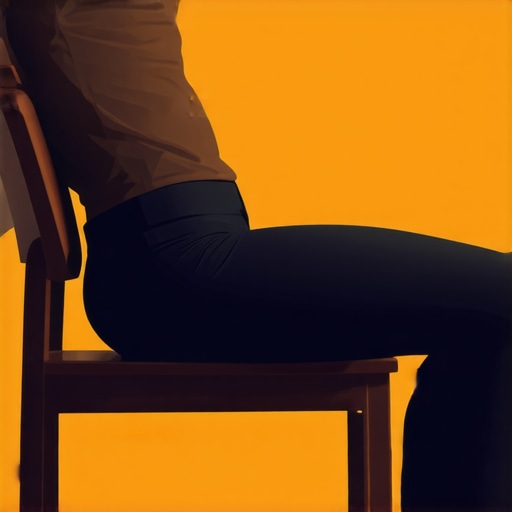
Have you ever settled into a comfortable chair, feeling a moment of relief only to realize your lower back starts aching a few minutes later? Or maybe you catch yourself subtly tilting to one side without even noticing? That sneaky, almost subconscious shift in pelvis position might be the culprit.
The Real Reason Your Pelvis Is Tilting While You Sit
Is This Tiny Movement Actually Wrecking Your Posture?
Early in my journey to better mobility and pain relief, I overlooked small but impactful habits—like how I sat. I used to think that adjusting my chair or stretching would do the trick. Turns out, a minor tilt of my pelvis, especially the one-leg tilt, was quietly throwing my alignment out of whack. This subtle tilt tilts your entire pelvis, affecting how your back and hips align, leading to discomfort that can become chronic if unchecked. And honestly, I learned this the hard way—by ignoring the little signs, I made a classic mistake early on, assuming that bigger adjustments were the answer. But small tweaks in sitting posture make a world of difference.
Researchers have shown that even slight pelvic misalignments can cause significant discomfort and influence spinal health over time (source). Understanding this is crucial because most of us spend hours seated, whether working, relaxing, or commuting. So, what’s really going on when your pelvis tilts quietly during your sitting sessions?
Why This Matters Now More Than Ever
With today’s sedentary lifestyles, our hips and pelvis are under constant strain. Small misalignments—the kind that go unnoticed—compound day after day, leading to persistent back pain, stiffness, and even nerve issues. The good news? Recognizing and addressing this tiny tilt can significantly improve your comfort and prevent long-term problems. If you’ve ever felt that nagging ache or wondered why your posture feels ‘off,’ you’re not alone. And I promise, there’s a practical fix that doesn’t involve expensive equipment or drastic lifestyle overhauls.
So, have you noticed yourself tilting during long sits or awkward postures? If so, you’re not alone—and you’re about to discover how simple adjustments can make a big impact.
Let’s dive into the root causes of this quiet pelvic tilt and learn how to correct it effectively.
Engage Your Core During Sitting
Start by activating your core muscles before sitting down. Think of your core as the foundation of a building; a strong base prevents tilting and misalignment. To do this, gently tighten your abdominal muscles as if preparing for a light punch. I once practiced this by sitting on a stability ball at my desk, focusing on tightening my abs for a few minutes each hour. The result was immediate—less pelvic tilt and reduced lower back discomfort. Incorporate this by setting reminders to engage your core during work or daily activities.
Adjust Your Seat Height and Position
Ensure your chair is at the right height so that your feet rest flat on the floor, and your knees are at a 90-degree angle. This position promotes natural pelvic alignment. I’ve personally adjusted my chair multiple times, noting that even a couple of centimeters can impact pelvic tilt. When my knees are too high or low, I noticed my pelvis tilting forward or backward. To fine-tune, sit with your back against the chair, adjust until your thighs are parallel to the ground, and your hips are level. This simple change creates a neutral pelvis position, easing strain.
Practice Micro-Movements to Reset Pelvic Alignment
Incorporate small, deliberate movements to counteract tilt. For example, periodically shift your pelvis forwards or backwards gently, mimicking a slight rocking motion. I added this to my routine during long meetings—every 15 minutes, I paused to tilt my pelvis slightly forward then back, feeling how it affected my back and hips. This approach prevents static misalignments from settling in silently. Try this by sitting upright, then tilting your pelvis gently to each side, holding for a few seconds before returning to neutral. Consistency is key for lasting benefits.
Use Supportive Devices When Needed
Adding lumbar supports or cushions can help maintain proper pelvic tilt. I found that a small, firm pillow behind my lower back helped me sit upright without slumping, which often causes anterior pelvic tilt. Experiment with different supports until you find one that promotes a natural spine curve. Remember, the goal is to support your lumbar lordosis, preventing the pelvis from tilting improperly. If you notice your pelvis tilting forward during prolonged sitting, consider visiting a specialist for tailored guidance.
Incorporate Movement Breaks to Prevent Stiffness
Regular movement prevents muscles from becoming too tight and pulling your pelvis out of alignment. I set a timer for every 30 minutes, standing up, stretching, and doing hip circles. These micro-movements assist in redistributing pressure and maintaining pelvic neutrality. Think of it like oiling a machine—moving parts that stay static over time become sticky. By integrating brief, targeted stretches—like knee-to-chest pulls or pelvic tilts—you reinforce correct positioning and reduce pain.
Monitor Your Sitting Habits for Long-Term Success
Be mindful of habits that cause tilt, such as crossing legs or leaning to one side. I kept a journal to track when I defaulted to poor posture and corrected it promptly. Over time, this awareness trains your muscles to hold correct alignment naturally. Remember, correcting pelvic tilt isn’t a one-time fix; it requires ongoing attention and adjustment. For comprehensive strategies, explore daily adjustments and mobility tips.
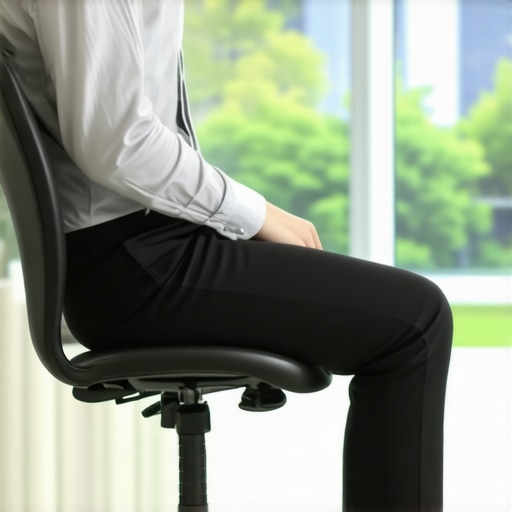 Many believe that a perfect, rigid posture is the key to preventing back pain, but real experts like Dr. Stuart McGill emphasize that rigidity can actually hinder mobility and cause muscle imbalances (source). One common misconception is that regularly straightening your back or tightening your core constantly is beneficial; however, over-tensing can lead to thoracic and lumbar stiffness, reducing your body’s natural adaptability. The goal should be to find a balance where your muscles are sufficiently engaged but not over-contracted, allowing for movements that promote healthy flexibility and joint function.
Another trap is the belief that correcting one posture fix—like adjusting chair height—solves all issues. In reality, posture is dynamic, not static. Relying solely on external adjustments without addressing underlying muscle activation and movement patterns leads to temporary relief but can reinforce poor habits. Incorporate regular mobility drills that focus on the neural pathways involved in movement, such as neural glides, which have been shown to improve nerve mobility and reduce back discomfort (source).
Are you guilty of falling for these myths? Let me know in the comments.
What is the more effective way to improve back health: static posture correction or dynamic mobility training?
The answer lies in a combination of both. Static posture awareness is important, but it should be complemented with dynamic movements that enhance neural coordination and muscular balance. Techniques like movement flow drills and nerve glides reset your neural pathways, preventing stiffness and pain that static corrections often fail to address. For more on boosting your mobility and avoiding these pitfalls, check out master your mobility strategies. Continuing to explore movement-based approaches is essential to becoming truly resilient against back issues.Maintaining your posture and mobility over the long term requires more than just awareness—it demands the right tools and disciplined routines. I personally swear by a combination of specific equipment and smart practices that make ongoing maintenance both practical and sustainable. One indispensable tool I use daily is a lumbar support cushion designed to promote natural spinal curves while seated, reducing strain and preventing pelvic tilting. For example, my favorite is the adjustable ergonomic lumbar pillow, which I’ve customized to fit my chair perfectly, ensuring that my pelvis stays neutrally aligned even during extended work sessions. According to research highlighted on this resource, correct lumbar support is crucial for reducing back pain and maintaining healthy pelvic positioning over time.
Striking the Balance: When Plastic Guides Worsen Instead of Help
I used to believe that the perfect posture was a rigid, unchanging stance. Turns out, reliance on external supports like stiff braces or overly stiff chairs can limit natural movement, causing muscles to weaken and adapt negatively. My breakthrough came when I realized that integrating dynamic corrections, like gentle mobility drills, complemented support tools and fostered true resilience. It’s about combining stability with flexibility—something I now practice daily and highly recommend for anyone serious about back health.
Discovering the Power of Subtle Shifts I Overlooked
One lightbulb moment was acknowledging how small habitual tilts during my workday silently compounded into discomfort. Regularly, I’d catch myself leaning yet dismiss it. Once I started actively correcting these micro-movements—like pelvic tilts or core engagement—I saw significant improvements. This taught me that the devil is in the details; tiny, consistent habits can either undermine or unlock long-term back health.
The Myth of One-Size-Fits-All Solutions
Early on, I bought into the idea that a single fix—be it a cushion or a stretch—would resolve all issues. But I learned that personalized routines, tailored to your body’s unique patterns, are far more effective. Recognizing my own tendencies—like tendency to cross legs or slouch—allowed me to craft effective, sustainable habits. Once I did, back discomfort started receding, proving that customization is key.
My Essential Arsenal for Lasting Mobility
Over the years, I’ve curated a set of tools that support my back journey. From ergonomic chairs with adjustable lumbar support (my favorite resource to prevent pelvic tilt) to mobility aids like foam rollers and gentle resistance bands, each plays a role. These tools are part of my daily routine, making consistent posture management practical and straightforward. For anyone serious about maintaining spine health, these are indispensable investments.
Ignite Your Passion for Active Self-Care and Change
The road to back comfort doesn’t have to be complicated, but it does require intention and patience. Start small—engage your core, adjust your sitting setup, incorporate micro-movements—and watch how your body responds. Your spine’s resilience depends on your active effort, not just reactive fixes. Remember, progress is a process—embrace it and take charge of your mobility today.
What’s one small habit you’re willing to change to improve your sitting posture? Share your thoughts below and let’s grow stronger together!