
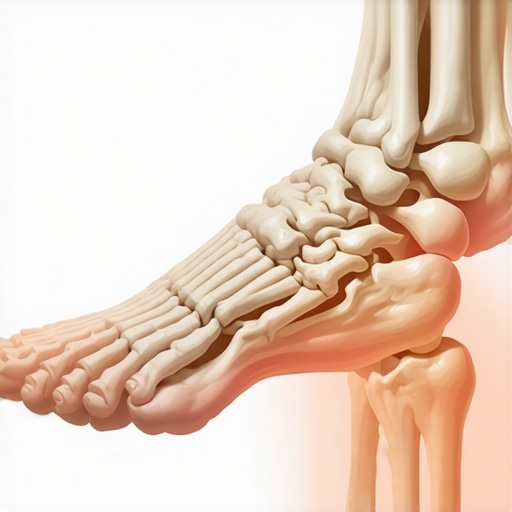
Ever felt that sharp twinge in your lower back after a long day of standing or walking? I used to brush it off as just a part of getting older or overdoing it until one day, I finally connected the dots. The real culprit wasn’t just my posture or my desk setup; it was my feet. Yes, your feet. That lightbulb moment changed everything for me, and I want to share how the way your arches are supported might be subtly wreaking havoc on your lower back.
The Hidden Link Between Your Feet and Back Pain
Many of us underestimate how much our feet influence our entire body’s alignment. When your foot arches aren’t properly supported, it can cause a chain reaction—altering the way you walk, stand, and move. This misalignment doesn’t stay localized; it travels upward, impacting your hips, pelvis, and ultimately your lower back. I learned this the hard way when I kept battling persistent back aches despite countless stretches and visits to specialists. One day, after adjusting my insoles, I was stunned to notice immediate relief. That was my wake-up call: foot support isn’t just about comfort—it’s about how your entire body stays in balance.
Why We Often Overlook the Importance of Arch Support
It’s easy to dismiss orthotic concerns as minor or superficial. I made this mistake early on, thinking that if I bought a stylish pair of shoes without proper support, it wouldn’t make a big difference. Turns out, it does. According to research published by the National Institutes of Health, poorly supported feet can contribute significantly to lower limb and even lower back pain (source). Still, many of us ignore this link, focusing instead on stretches or back exercises that only treat symptoms temporarily. The key insight is that a small change at your feet can lead to a major improvement in your back health.
So, if you’ve ever felt that nagging discomfort after a workout or a long day, you’re not alone. And there’s a chance your foot support might be the missing piece of the puzzle. Ready to explore how to align your entire body from the ground up? Let’s dive into some practical steps that can make a real difference.
Assessing Your Foot Arch and Support
The first step is to determine if your arches are properly supported. Sit on a chair and observe your feet: do they feel flat or do the arches feel high and maintained? I once found out mine were collapsing inward after noticing how my shoes wore out unevenly. To get an accurate assessment, consider stepping onto a wet surface and examining the footprint—if it’s a full print, your arches might need extra support. Use this insight to choose appropriate insoles or footwear that offers targeted arch support. Proper footwear can act like a foundation for a building—if the base isn’t stable, everything above suffers. For detailed guidance, explore my mobility strategies.
Implementing Custom Orthotics
Once you’ve identified support needs, custom orthotics or supportive insoles can make a significant difference. I personally ordered orthotics after my assessment and immediately noticed less foot fatigue. To do this effectively, visit a podiatrist or a specialist who can analyze your gait. They might prescribe custom orthotics designed to realign your foot and, consequently, your entire posture. Think of it as fixing the root of a tree to prevent the entire structure from leaning. This small change at your feet can ripple upward, reducing strain on your hips and lower back. Remember, proper support here is not a luxury but a necessity for lasting relief.
Aligning Your Walking Pattern
With supported footwear in place, focus on your gait. Pay attention to how your feet strike the ground: aim for a soft, heel-to-toe roll rather than a flat-footed stomp or overpronation. I triggered a habit of consciously relaxing my knees and hips during walks, which helped me maintain a more natural stride. An uneven or improper gait can perpetuate misalignment, aggravating back pain. To reinforce good walking habits, consider practicing specific drills like the “Imagine Walking on Eggshells” exercise—gently roll from heel to toe, keeping your hips aligned with your feet. For more movement tips, see mobility enhancement.
Strengthening and Supporting Your Core
Core strength acts as the central stabilizer for your entire body. When your core is weak, your feet’s support becomes less effective, leading to compensations that strain the lower back. I recommend integrating exercises that target your abdominal and back muscles—think planks, bird dogs, or gentle bridges. Be cautious not to overdo it; focus on maintaining good form. You can think of your core as the skeleton’s scaffolding—if it’s shaky, every part of your body’s support system is compromised. Consistent core work reduces the burden on your lower back, even if your footwear isn’t perfect. For specific routines, visit core support tips.
Adjusting Daily Habits for Long-Term Relief
Small daily adjustments can ward off pain buildup. For example, avoid crossing your legs when sitting for long periods; instead, keep both feet flat on the ground and shift positions frequently. I set a reminder to stand and stretch every 30 minutes during my workday—simple moves like hip openers or spinal twists help maintain mobility. Think of these as preventative maintenance for your body’s machinery. Incorporate brief exercises like the doorway stretch to loosen shoulder and upper back tension, which often correlates with lower back discomfort. Consistency is key: these micro-movements gradually train your body to adopt healthier postural patterns. For more actionable adjustments, see daily back relief practices.
Tracking Progress and Making Fine-Tunes
Regularly assess how your back responds to these changes. If discomfort persists, revisit your foot support options or consult a mobility specialist. I kept a journal noting improvements after each adjustment, enabling me to identify what worked best. Remember, slight modifications—like adjusting insole firmness or refining your walking technique—can restore balance. Think of it as tuning an instrument: small tweaks lead to perfect sound. Stay attentive to your body’s signals and be prepared to escalate support or seek professional help if necessary. For more advanced strategies, explore hip mobility drills and other resources to optimize your body’s coordination.Many people believe that instant stretches or stiff posture corrections are enough to tackle persistent back pain, but the real challenge lies in understanding the nuanced mechanics of mobility. A widespread misconception is that increasing flexibility alone will resolve issues, yet without addressing joint stability and neural control, gains are often temporary. According to Dr. Stuart McGill, a leading expert on spine biomechanics, proper movement involves not just flexibility but functional strength and neuromuscular control, emphasizing that “movements must be integrated into your daily routine to yield lasting results” (source).
How do I maintain my progress over time?
Consistent maintenance is key to preserving the improvements you’ve worked hard to achieve. One tool I rely on daily is a high-quality foam roller, specifically the Grid X by TriggerPoint. I use it to perform myofascial release on my lower back, hips, and thighs, which helps prevent tightness from creeping back in. The foam roller allows me to identify areas of tension early before they develop into pain, making it an essential part of my routine. Additionally, I include a resistance band for targeted posture correction exercises, especially for strengthening my upper back and shoulders. These tools are portable and easy to incorporate into my day, ensuring long-term benefits.
For tracking progress, I use a posture app on my smartphone that provides real-time feedback and reminders to correct my alignment during daily activities. This proactive approach helps me stay vigilant and avoid reverting to poor habits. Looking ahead, I believe the integration of smart technology—like wearable posture monitors—will become even more sophisticated, offering personalized guidance and instant corrections to keep health in check without constant manual intervention.
Tools I recommend for ongoing support
One of my favorites is a lightweight, adjustable lumbar support belt. Unlike bulky braces, this helps maintain proper spinal alignment during activities that challenge back stability, like heavy lifting or long standing periods. I’ve found that wearing it during those times prevents strain from accumulating. Another critical tool is a set of pressure-sensitive acupressure mats, which I use in the evenings to relax my lower back and hips. These stimulate blood flow and reduce residual tension, promoting recovery and resilience.
Remember, consistency in using these tools amplifies their benefits. Incorporate them into your daily routine, just as I do, and you’ll build resilience against setbacks. In fact, making these tools a permanent part of your mobility regimen ensures results that last beyond temporary fixes. Want to discover more advanced techniques? Visit my comprehensive mobility strategies for deeper insights.
Future trends in back health maintenance
As wearable tech continues to evolve, I predict that real-time biometric feedback will become standard, enabling us to fine-tune our posture and movement on the fly. AI-driven apps could analyze your daily habits and suggest personalized adjustments, making maintenance effortless and highly effective. Staying ahead means embracing these innovations now, so I encourage you to experiment with current smart posture reminders and sensor-based tools to see immediate benefits.
Questions to consider: How do I keep my mobility intact long-term?
One effective method is to schedule regular self-assessment sessions, similar to a mini health check. Use tools like my posture app or even simple mirror checks to observe any deviations. Incorporate movement breaks every hour, utilizing drills from daily back-friendly routines. Additionally, invest in versatile equipment such as resistance bands or portable foam rollers that fit into your daily routine without hassle. The goal is to embed these practices into your lifestyle, fostering resilience and preventing regressions. Why not pick one tool today—perhaps the foam roller—and commit to using it consistently for a week? Small, daily investments can yield lasting results. For more personalized guidance, feel free to reach out through my contact page—I’m here to help you stay on track.
The Hardest Lesson I Learned About mobility, posture, adjustments, back pain
One of my biggest realizations is that persistent back pain often stems from overlooked support issues at the feet, not just the back itself. It took me trial, error, and a few setbacks to understand that real change begins from the ground up. This insight transformed my approach and, ultimately, my quality of life.
What I Didn’t Know About Mobility and How Support Shapes It
I was surprised to discover that tiny misalignments at my feet could cascade into significant back discomfort. Understanding that my gait and posture are interconnected made me prioritize supportive footwear and targeted exercises.
The Power of Personal Experimentation and Small Tweaks
Adjusting insoles or changing walking habits might seem minor, but these small steps can lead to dramatic improvements. Embracing a mindset of curiosity and patience was essential in discovering what genuinely worked for me.
Tools That Became My Mobility Allies
Incorporating tools like supportive insoles, foam rollers, and posture tracking apps helped me maintain progress. These resources empowered me to take control and make informed decisions about my movement and support systems.
What My Experience Taught Me About Consistency and Listening to Your Body
Regular check-ins and respecting my body’s signals proved vital. Investing time in daily routines, even simple stretches, created a foundation that prevented regressions and fostered lasting relief.
Recommended Resources That Truly Made a Difference
Some tools and information sources that deeply impacted my journey include the mobility strategies guide, supportive insoles tailored to my needs, and the daily back-friendly routines I adopted. They all reinforced the importance of proactive support and continuous learning.
Embrace the Journey: Your Path to Better Mobility Starts Now
Remember, breakthroughs happen when you focus on small, consistent actions tailored to your body. Don’t wait for pain to become overwhelming—start today, and enjoy the empowering journey toward a healthier, more balanced you.
What simple change will you try first to support your back and mobility? Let me know below!