
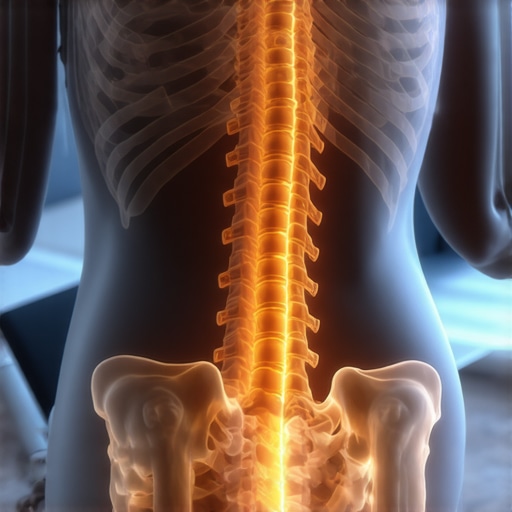
I remember the exact moment I first noticed it—my lower back audibly popping every time I tried to stand up after sitting for a while. It wasn’t just a minor noise; it was loud enough to make me wince and wonder if something was seriously wrong. At first, I brushed it off, assuming it was just normal wear and tear. But as time went on, that popping became a regular part of my daily routine, and honestly, it started to affect how I moved and felt. Have you ever experienced that? That sudden, sometimes startling sound every time you get out of your chair or stand up from bed?
Understanding Why Your Back Pops When You Rise
What I didn’t realize back then is that those pops are often signs of underlying mobility issues, muscle imbalances, or joint dysfunctions. The cracking sound is typically caused by the movement of air bubbles in the synovial fluid or the release of tension in the surrounding tissues. But underlying these sounds are often more complex problems—like restricted joint movement or tight muscles—that, if left unaddressed, can lead to pain and long-term back issues.
The good news? I found that with some dedicated adjustments and mindful movement habits, I could significantly reduce those pops—and even eliminate the discomfort that sometimes accompanied them. Today, I want to share what I learned along the way, so you don’t have to stumble through trial and error as I did. By understanding the causes, you’ll be better equipped to approach your back health proactively.
Let’s dive into the practical steps that helped me—and can help you—restore mobility, reduce noise, and build a sturdier, happier lower back.
Is The Pop Actually Doing Harm? The Biggest Skepticisms
One of my biggest mistakes early on was thinking that every crack or pop indicated damage needing urgent attention. Turns out, many of these sounds are harmless—but they can signal a need for movement corrections. A study published in the Journal of Orthopaedic & Sports Physical Therapy highlights that joint sounds are often benign but can be associated with mobility issues if accompanied by pain or stiffness. Recognizing the difference was a game-changer for me.
If you’re concerned about whether that popping signifies something serious, you’re not alone. Many people worry it’s a sign of a deteriorating disc or joint. The key is paying attention to accompanying symptoms, like pain or numbness. If you’ve experienced those, I’d recommend checking with a professional—but for now, many of the causes are manageable with proper posture and movement habits.
Before we jump into specific exercises and adjustments, it’s worth mentioning that I started making one crucial mistake early on—ignoring my postural habits and neglecting simple daily movements. Trust me, addressing that changed everything.
Ready to explore some practical tips? Let’s get started with the essential adjustments that can free your back from unnecessary clicking and discomfort.
Mastering Basic Posture Adjustments
Start by evaluating your daily posture—imagine your spine as a stack of books; keep them aligned to prevent unnecessary strain. Sit upright with shoulders back, and avoid slouching. Use a lumbar support if needed, and ensure your hips are level. To reinforce this habit, regularly reset your pelvis by practicing the daily adjustments that alleviate back pain—it acts like a tune-up for your spine.
Incorporate Specific Mobility Exercises
Implement targeted moves that loosen tight muscles and increase joint range of motion. For example, perform the mobility drills designed for pain-free movement, like gentle hip circles or spinal twists. I remember one morning, I dedicated five minutes to the doorway shoulder stretch, which immediately relieved tension stored from hours of desk work.
Focus on Hip Flexor Releases
Tight hip flexors are silent contributors to back tension. Regularly release these muscles with simple stretches or the quick hip flexor release techniques. This is like freeing a tight knot—allowing your pelvis to move freely and reducing strain on your lower back.
Enhance Movement Patterns with Dynamic Exercises
Move beyond static stretches; incorporate dynamic, full-body movements. Exercises like the easy movement strategies keep your joints lubricated and muscles engaged. I tried doing gentle morning spinal resets—it was messy at first, but the relief was noticeable within days, proving consistency beats perfection.
Address Foot and Pelvic Alignment
Your lower back’s health is directly linked to foot arch support and pelvic positioning. Use the proper foot support, and perform pelvic resets if you notice imbalance. Think of your body as a building; if its foundation (your feet) isn’t stable, everything else can shift out of alignment.
< >
>
Consistently Reassess and Adjust
Schedule quick check-ins to evaluate your progress. Each time, ask yourself if the noises have lessened, or if mobility feels smoother. Remember, I once ignored subtle improvements, only to realize that small gains compound into lasting change. Use the expert tips for easier movement to refine your approach as you go.
Many believe that cracking your back or performing regular stretches automatically leads to better spinal health, but reality is often more nuanced. A common myth is that all adjustments or crackings are beneficial or harmless; in fact, some can exacerbate underlying issues if not performed correctly. For instance, aggressive self-manipulation might temporarily relieve stiffness but could also cause joint instability or damage over time, especially if done without professional guidance. According to a study in the Journal of Manipulative and Physiological Therapeutics, improper self-adjustments increase the risk of joint injury, highlighting the importance of seeking trained expertise.
Another misconception is that static stretching alone suffices for maintaining mobility. While stretching improves flexibility, neglecting the integration of dynamic movements and muscle strengthening can lead to persistent imbalances. For advanced practitioners, understanding the interconnectedness of muscle chains and joint mechanics is crucial. For example, tight hip flexors often contribute to lower back strain, but solely stretching these muscles without addressing postural habits or pelvic alignment may offer limited relief. External experts advise combining mobility drills with strength and postural exercises for holistic results.
What about posture? Many people assume that sitting up straight consistently is the key to avoiding back pain. Yet, rigid adherence to perfect posture can cause tension and fatigue, counterintuitively leading to discomfort. A more effective approach is adopting “movement variability”—changing positions and incorporating micro-movements throughout the day. This dynamic approach reduces static load and encourages balanced muscle engagement.
In addressing these nuances, one common trap to avoid is over-reliance on quick fixes like snap adjustments or superficial stretches. Instead, focus on understanding the root causes—like joint restrictions or muscular compensations—and implement comprehensive routines that include targeted adjustments, mobility drills, and mindful movement strategies. For instance, incorporating simple habits like daily pelvic resets or hip mobility exercises can significantly improve long-term back health.
Ever fallen into the trap of believing that quick fixes are enough? Let me know in the comments. Remember, sustainable change comes from understanding these subtleties and applying informed, consistent habits. To deepen your understanding, explore how proper foot support or ergonomic setups can influence your spinal wellbeing—small tweaks that make a big difference.Maintaining your back health over the long term requires reliable tools and consistent routines. One indispensable tool I rely on is a quality foam roller. I use a dense foam roller daily to perform my own myofascial release, particularly targeting tight hip flexors and the deep glute muscles, which helps prevent restrictions that can lead to back pain. When rolled properly, it promotes circulation and keeps tissues pliable, making mobility exercises more effective. Incorporating a foam roller into your routine can be a game-changer, especially when combined with targeted stretches like the quick hip flexor release techniques I’ve found effective for chronic sitters.
Another device I recommend is a portable lumbar support cushion. This isn’t about laziness but about preventing long-term spinal compression during office work or driving. I personally keep a small, ergonomic lumbar pillow in my car and on my office chair. It acts as a reminder to maintain proper lumbar curvature, especially during long periods of seated activity. Over time, consistent use of supportive equipment like this reinforces good posture habits, reducing the risk of developing chronic aches or misalignments.
When it comes to tracking your progress and ensuring proper technique, I lean on smartphone apps that guide dynamic mobility routines. For example, the mobility strategies for moving without pain are better absorbed when supported by visual cues and reminders. I set daily alerts for my mobility drills, including pelvic resets and gentle spinal twists, which help keep my routines consistent and effective.
Looking ahead, I believe the future of back health tools is headed toward smart wearables that monitor movement quality and provide real-time feedback. Devices equipped with gyroscopes and sensors could analyze your movement patterns and suggest immediate corrections—much like a personal trainer in your pocket. For now, combining physical tools like foam rollers and supportive cushions with digital guidance offers a practical and highly effective approach.
**How do I maintain consistent improvements over time?** The secret is integrating these tools into your daily habits so they become second nature. Regularly reassess your mobility and posture, and don’t hesitate to revisit dedicated routines like the daily adjustments for back pain relief. Consistency in using supportive equipment and tracking progress ensures that the gains are maintained long-term.
If you’re serious about keeping your back healthy and mobile, try incorporating a foam roller into your morning routine or adding a lumbar cushion to your workspace. These simple, targeted tools are proven to reinforce good habits and prevent setbacks. A well-maintained toolkit combined with mindful movement practices can make the difference between temporary relief and lasting spine health.
Looking back, I realize the most valuable lessons about adjustments, mobility, posture, and back pain weren’t from popular advice but from my own experiences and mistakes. If I had known these insights earlier, my progress could have been faster and more sustainable.
Learning to Listen to My Body Was a Game-Changer
Initially, I ignored subtle signals—like small pops or tightness—assuming they weren’t worth worrying about. But I discovered that paying close attention to these smaller cues allowed me to catch issues before they became painful or chronic. This shift in awareness made me proactive rather than reactive.
Consistency Trumps Intensity in Making Lasting Changes
I used to believe that intense, painful stretches were the key to fixing my back. Turns out, gentle, daily habits—like the daily adjustments and mobility drills—created more lasting benefits. Small, consistent efforts beat sporadic intense sessions every time.
Myths About Quick Fixes Almost Delayed My Recovery
I was tempted to rely on quick self-manipulations or instant relief techniques, but I soon realized these could do more harm than good. Proper, informed adjustments and holistic routines are what truly moved the needle. Seeking guidance from expert resources, like top mobility strategies, saved me from setbacks.
Empowering Movement Changed My Entire Perspective
Incorporating dynamic movements instead of static stretches opened up my hips and improved my posture naturally. The realization that mobility isn’t just about flexibility but about functional strength shifted my entire routine. Simple acts like the doorway stretch became daily staples.
Some Tools Made All the Difference
Investing in targeted tools—like a sturdy foam roller and ergonomic lumbar support—amplified my progress. These aren’t shortcuts but essential components of a comprehensive approach. For instance, using the hip flexor releases kept tension at bay, preventing pain before it started.
Understanding the Mind-Body Connection Strengthened My Commitment
Recognizing how stress and mental tension affect back health motivated me to include mindfulness and breathing exercises into my daily routine. Sometimes, relief isn’t just physical but emotional too. Techniques like deep breathing helped me stay balanced and patient during setbacks.
Biggest Lesson: No Pain, No Gain Is a Myth
Progress wasn’t about pushing through pain but about gentle, mindful movement and consistent care. Respecting my body’s limits allowed me to heal faster and maintain results longer. It’s about working smarter, not harder.
My Personal Roadmap Continues
This journey has taught me that recovery is ongoing—much like maintaining a healthy garden. Regular assessments, adjustments, and cultivating positive habits keep my back resilient. Remember, everyone’s body is unique, so tailor your approach accordingly.
Discover What’s Possible for Your Back
If you’re ready to embrace these lessons and take control of your back health, start small. Your body is more capable than you think when guided by informed, consistent habits. Explore how simple daily routines and supportive tools can make a lasting difference. Trust me—your future self will thank you.
Where Will Your Journey Lead You?
Have you ever tried a mobility or posture adjustment that unexpectedly transformed your back pain? Share your story below—I’d love to hear what worked for you and inspire others to find their path to relief.