

It was a morning like any other—except that I felt that familiar, nagging tension creeping into my neck and shoulders. As I looked into the mirror, I caught a glimpse of my reflection and realized how my head jutting forward was becoming more pronounced. That sinking feeling hit me: I knew I was heading toward chronic pain if I didn’t make a change. The lightbulb moment? Discovering the simple yet surprisingly effective Wall Slide move that finally helped straighten my posture and ease that relentless tension.
The Wall Slide Changed How I Sit, Stand, and Move
In my early days of struggle, I tried every gadget and gimmick promising instant relief. But nothing stuck. It wasn’t until I paid attention to the fundamental mechanics of my posture that I found real progress. The Wall Slide became my go-to move because it targets the root causes of forward head posture—often a combination of weak upper back muscles and poor shoulder alignment. This exercise doesn’t require fancy equipment or hours at the gym. Just a wall, some space, and mindful execution.
The best part? I started noticing improvements within days. My neck felt less strained, my shoulders more relaxed, and I could stand taller. It was a game-changer, and I want you to experience the same. Today, we’ll walk through how this simple move can restore balance, improve mobility, and prevent future discomfort.
Is the Wall Slide Really Worth the Hype?
I remember my initial skepticism—was this just another passing fad? Early on, I made the mistake of rushing through the movement, ignoring key cues like keeping my shoulders down and engaging my back muscles. That mistake cost me precious time and a few extra stiff days. But once I learned to perform it correctly, the results spoke for themselves. Scientific studies support this—research indicates that targeted posture exercises can significantly reduce forward head position and neck pain (source: [link]).
If you’ve ever felt frustrated trying to fix your posture or wondered if a quick fix actually works, I get it. My journey shows that consistent, mindful practice of simple moves like the Wall Slide can lead to lasting change. Ready to discover how to do it right? Let’s dive into the steps that turned my posture around and can do the same for you.
Getting into the Right Position
Start by standing with your back flat against a wall, feet positioned about a foot away, and shoulders relaxed. Imagine your spine as a stack of blocks; your goal is to keep each one in alignment. As I corrected my stance, I noticed my lower back was arching excessively, which is common when muscles are weak or tight. To counteract this, gently engage your core muscles—think of pulling your belly button softly inward—and then press your lower back gently toward the wall. This micro-adjustment created a sense of stability that instantly reduced tension.
Executing the Wall Slide Properly
Keeping your hands and arms against the wall, raise them as if making a goalpost shape—elbows bent at 90 degrees. Slowly slide your arms upward, aiming to keep your shoulders down and back, and avoid shrugging. The movement should feel like pushing your arms through thick syrup—slow, controlled, deliberate. I recall a morning when I performed this repeatedly after a long day of desk work; initially, my shoulders jerked, but with mindful practice, I maintained smooth, fluid motion, which gradually unlocked tightness in my upper back.
Focus on Shoulder and Scapula Activation
As you slide, concentrate on pressing your shoulder blades down and together. Picture squeezing a small ball between your shoulder blades to activate the mid-back muscles. This action counters the tendency to let your shoulders roll forward—a primary cause of poor posture and neck strain. I once rushed through the move, and my shoulders remained elevated, leaving me with sore neck muscles. When I slowed down and focused on scapular depression, the relief was immediate and noticeable.
Breathing and Engagement
Coordinate your breathing with the movement: inhale as you prepare, exhale as you slide your arms, maintaining engagement in your back and core. This breath control helps sustain proper posture mechanically and psychologically. For example, during my first few attempts, I forgot to breathe steadily, which made my muscles tense up. Once I integrated steady breathing, the move felt more natural, and I experienced greater muscle activation without fatigue.
Repetition and Routine Building
Repeat the Wall Slide for 10-15 reps, building up to a set or two daily. Consistency is key, much like tuning a guitar—small adjustments over time produce harmonious results. I kept a journal of my progress; after a week, my shoulders were notably more open, and my neck tension diminished. Incorporate this into a daily mobility routine or during breaks to reinforce proper postural habits.
Fine-Tuning Your Technique
Pay close attention to common pitfalls: avoid letting your elbows drift forward, shrugging shoulders, or arching your lower back. Use a mirror or record yourself to ensure correct form. If you notice persistent tightness or pain, consider consulting a professional and exploring other mobility strategies. Readers interested in comprehensive techniques can explore Master Your Mobility for further guidance.
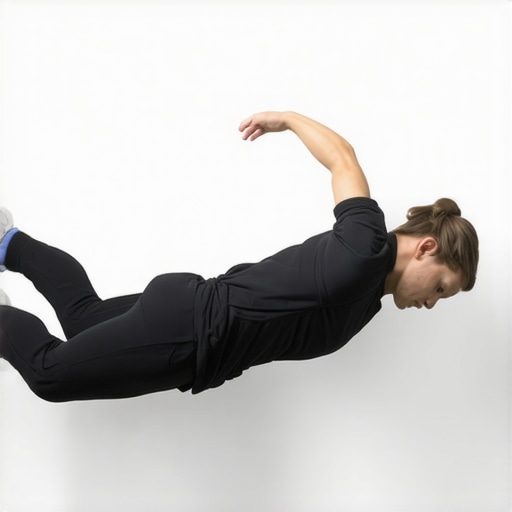
Many people believe that back pain results solely from injury or a sudden strain, but in my experience, this is a oversimplification. The truth is, chronic back issues often stem from subtle, persistent misalignments and movement habits that go unnoticed. One prevalent myth is that building a stronger core alone will resolve all back problems. While core strength is essential, neglecting mobility and proper posture can leave you vulnerable to recurring discomfort. Advanced practitioners know that it’s the balance between stability and flexibility that truly shields your back from future issues.
Another misconception is that adjustments or manipulations provide permanent relief. Myth-busting research shows that simple posture adjustments and consistent movement strategies are more effective long-term than quick fixes. Relying solely on adjustments without addressing underlying movement patterns can be a trap that leads to dependency, avoiding real mobility improvements.
Are You Falling for Quick Fixes That Don’t Last?
It’s easy to fall into this trap, especially when pain urges immediate relief. However, lasting change requires understanding and addressing the nuances of our movement and postural habits. For instance, many mistake slouching as a mere habit, not realizing it’s often a sign of muscular imbalances or joint restrictions. These nuances are critical, and ignoring them is like applying a bandage to a deeper wound. Recognizing the importance of targeted, mindful exercises can save you years of joint wear and tear. Want to learn how to properly adjust your daily routines? Check out daily adjustments for sustainable relief.
Furthermore, be cautious of the common misconception that all posture corrections mean forcing yourself into Maintaining your back health over the long run requires more than just occasional exercises; it demands consistent use of effective tools and tried-and-true methods. I personally rely on a combination of precise mobility aids and strategic routines that have stood the test of time, helping me prevent setbacks and scale my progress. One tool I highly recommend is the BioRest Pillow, featured in this article. I use it nightly to support spinal alignment during sleep, which subtly reinforces my posture habits and reduces morning stiffness. Another game-changer has been my use of a foam roller with dense textured surface, enabling targeted myofascial release on tight areas like the upper shoulders and hips, resulting in improved mobility and decreased tension. Additionally, incorporating a digital posture training app has allowed me to monitor my alignment throughout the day, providing real-time feedback that keeps me accountable. Looking ahead, I believe the trend in back health tools will shift toward smart, wearable devices that continuously track posture and muscle activity, alerting users to corrective actions before discomfort escalates. How do I maintain my mobility and posture over time? Consistency is vital. I dedicate 10 minutes daily to simple, mindful routines—like the daily adjustments—and incorporate periodic self-assessments, often using a mirror or recording to ensure proper form. For instance, I regularly perform the scapular reset and hip opener exercises, integrating them into my morning routine to reinforce good habits. Advanced practitioners recommend engaging in movement variability—slightly modifying your stretches and routines—to challenge muscles and avoid adaptive stiffness. I suggest trying the deep glute stretch found here; it’s particularly effective for releasing nerve pinches caused by tight muscles. Remember, tools alone won’t sustain your progress—they should be complemented with consistent routine adjustments and mindful movement. Curious about implementing these strategies seamlessly? Explore comprehensive mobility plans in this insightful guide. I challenge you to pick one tool or routine from this list and commit to it for a week. Notice how even small, sustained efforts accumulate into lasting improvements. Your back health is worth it—start with that one change today.
The Hardest Lesson I Learned About Back Pain and Mobility
Early in my journey, I believed quick fixes and superficial stretches could solve deep-seated posture issues. It wasn’t until I ignored the importance of consistency and mindful movement that I faced setbacks. The realization? True progress demands patience, ongoing attention, and respect for your body’s nuances. Embracing this taught me that lasting change isn’t about instant results but persistent, thoughtful practice that aligns with your body’s natural rhythms.
My Go-To Tools That Made a Difference
Over time, I discovered that integrating specific tools amplified my mobility routines. The BioRest Pillow nightly provided gentle spinal alignment, while the dense foam roller helped release tight fascia in my shoulders. Relying on a digital posture app kept me accountable and aware throughout the day. These tools are trustworthy because they support my routines and have stood the test of time, helping me prevent regressions and build sustainable habits.
The Power of Small Wins and Consistent Practice
Through my experience, I learned that small, daily efforts accumulate into significant improvements. Whether it’s performing a quick scapular reset in the morning or a few mindful wall slides during work breaks, consistency creates momentum. It’s inspiring to realize that vast transformations often stem from humble beginnings—so I challenge you to pick one simple movement today and commit to it. Your back will thank you for the ongoing effort.
Insider Wisdom: Lessons I Wish I Knew Sooner
- Posture is a dynamic habit, not a static achievement. Seeing posture as a moving target helped me stay flexible and forgiving with myself.
- Address muscular imbalances, not just pain symptoms. Strengthening the core is vital, but mobility and flexibility are equally crucial to prevent future issues.
- Consistency beats intensity every time. Regular, mindful movements yield more lasting results than sporadic, intense sessions.
- Invest in tools that support your routine. From posture apps to supportive pillows, the right resources make dedication easier and more effective.
Where to Go from Here
If you’re ready to deepen your understanding and refine your approach, exploring comprehensive strategies can make a real difference. Check out this guide to master your mobility, or consider visiting us for personalized insights. Remember, consistent small steps preserve your back’s health and promote lifelong well-being.
Your Turn to Shape Your Posture Future
Taking these lessons to heart, I encourage you to identify one area you’ve been neglecting—be it your scapular mobility or daily stretches—and give it dedicated attention. Small, mindful changes today can culminate in a healthier, stronger back tomorrow. Have you ever tried a simple move that unexpectedly transformed your posture? Share your story below, and let’s learn together how to evolve beyond temporary fixes towards genuine well-being.