
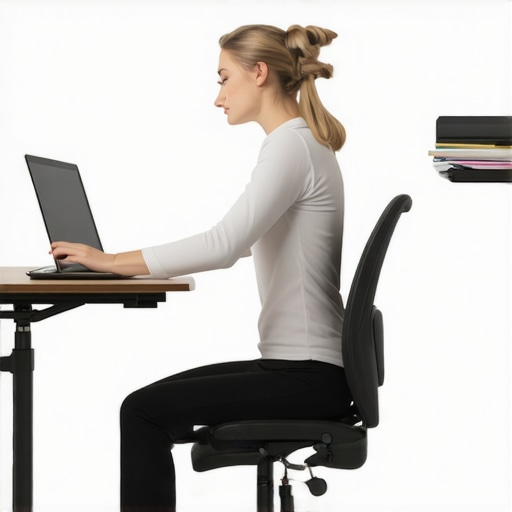
It happened again today. I caught my reflection in the monitor and realized my neck was creeping forward, shoulders rounding without me even noticing. One minute I was deep into work; the next, I was battling that familiar headache and that stubborn tension between my shoulder blades. That moment of realization struck me hard—I had fallen into old habits again, habits I thought I had fixed.
If you’re like me, spending hours at a desk with a laptop can turn your posture into a crooked mess before you even realize it. And let me tell you, that slumping neck isn’t just a cosmetic issue—it’s a signal your body is begging for help. Over time, poor habits like slouching or craning forward can lead to chronic pain, tension headaches, and even nerve issues. This isn’t just about looking professional; it’s about protecting your health.
Today, I want to share with you three simple but powerful habits that can prevent your neck from slumping at your laptop. These habits transformed my daily discomfort into a posture I actually feel good about. And guess what? They’re easier than you think. Ready to straighten up and take control?
Why Your Laptop Posture Might Be Sabotaging Your Neck
The truth is, most of us don’t realize how subtly our daily routines chip away at our posture. A study published by the Journal of Physical TherapyScience found that poor ergonomic habits can cause neck strain and tension. The real kicker? Small, consistent misalignments can lead to significant discomfort over months or years.
In my early days, I kept making one mistake: I would sit at my desk, slouch, and forget to adjust my workspace. I’d lean in closer to see the screen clearly, unknowingly tugging my head forward. That bad habit, compounded day after day, made me feel like I was carrying a weight on my neck. It’s a mistake so common that many don’t realize its impact until they experience persistent pain.
The good news? You don’t have to accept this as your new normal. With just a few tweaks—like adjusting your monitor height, incorporating small movement breaks, and practicing mindful posture—you can protect your neck and improve your overall comfort.
Curious how to implement these habits effortlessly? Stick around. We’re about to jump into practical strategies that will help you move the needle in your favor. And if this resonates with you—if you’ve faced neck tension or headaches caused by desk work—let’s explore how these habits can make a real difference.
Adjust Your Monitor Height for Better Alignment
One day, I caught myself craning my neck to see my screen clearly and immediately realized I needed to elevate my monitor. The goal is to have the top of your screen at eye level, so your neck stays straight. Use a stack of books or a monitor riser to achieve this. When I tried this, I noticed my neck no longer felt strained after hours of work. This simple tweak keeps your head balanced and reduces unnecessary tension.
Set Up Your Workspace to Encourage Good Posture
Think of your workspace as a command center. Position your keyboard and mouse close enough so you don’t have to reach forward, which causes your shoulders and neck to hunch. Keep your elbows at about 90 degrees, and your wrists straight. When I rearranged my desk, I moved my mouse closer and my workspace felt more natural. Regularly adjusting your setup can prevent habits that lead to neck pain.
Incorporate Micro-Movements During Breaks
Every hour, take 2 minutes to perform gentle neck and shoulder stretches. Imagine your neck as a puppet string—by carefully tilting, turning, and stretching, you help maintain mobility and prevent stiffening. I set a timer and did neck circles and shoulder rolls; the relief was immediate. These micro-movements prevent the buildup of tension and promote circulation.
Practice Mindful Posture Checks
Set reminders to check your posture, similar to how you’d check your phone. Keep your chin tucked slightly, shoulders relaxed, and back supported. As I started consciously adjusting myself, I realized how often I would slip into slouching. Consistent awareness prevents bad habits from setting in, helping you maintain a healthy neck alignment throughout the day.
Learn Quick Reset Techniques for Immediate Relief
Sometimes, tension sneaks in despite your best efforts. I learned a simple scapular reset—shrug your shoulders up, then squeeze your shoulder blades together and down. It’s like pressing the reset button for your posture. Doing this a few times can reduce deep shoulder and neck aches, regaining comfort fast. Incorporate this into your daily routine for ongoing relief.
Explore Mobility Drills to Enhance Flexibility
Engage in targeted mobility exercises like the doorway stretch or the neck release [see detailed guide here](https://chiromasteryz.com/the-doorway-drill-that-fixes-rounded-shoulders-fast). Think of your neck and shoulders as wires that need to be kept flexible. When I added these drills, I noticed a significant decrease in stiffness and headaches. Regular mobility work ensures your tissues stay supple and resilient against daily strains.
Commit to Regular Posture Audits
Make it a habit to pause, observe, and correct your posture periodically—like a brief health check. Over time, this mindfulness becomes second nature. I found that even on busy days, quick adjustments prevented discomfort from worsening. Small, consistent evaluations keep your neck in proper alignment and save you from chronic issues.
Many believe that the key to alleviating back pain and improving mobility lies in frequent adjustments or quick fixes. However, what most people overlook is that these approaches often miss the nuanced interplay of muscle coordination, nervous system feedback, and habitual movement patterns. The common myth is that simply cracking or adjusting your spine provides lasting relief, but in reality, without addressing underlying movement mechanics, you’re only treating symptoms, not causes. This oversight can lead to a cycle of temporary relief followed by recurrence.
A crucial nuance many fail to grasp is that repetitive adjustment techniques—like cracking the neck or back—may actually reinforce maladaptive movement patterns if not integrated with proper mobility training. According to Dr. Stuart McGill, a renowned spine researcher, consistent, passive adjustments can sometimes diminish the body’s natural stability mechanisms, making you more reliant on external interventions and possibly weakening core activation over time. Instead, focusing on improving muscle control and proper alignment through targeted mobility drills ensures sustainable, long-term results.
Beware of the trap where believers in quick fixes think that subluxations or misalignments can be permanently corrected with adjustments alone. In truth, the nervous system plays a significant role in maintaining posture, and maladaptive habits—like habitual slouching or shoulder hunching—must be consciously remediated. Incorporating daily practices such as mindful posture checks and mobility exercises, detailed in resources like [master your mobility](https://chiromasteryz.com/master-your-mobility-top-strategies-for-moving-without-pain), can retrain neuromuscular pathways and promote healthier movement patterns.
This leads us to an important question for advanced readers: How does the nervous system adapt to persistent poor posture, and what strategies can reset these neural pathways to improve mobility and reduce pain? Engaging with techniques that enhance proprioception and neuroplasticity, like targeted mobility drills and controlled movement patterns, can unlock long-lasting benefits beyond mere adjustment repetitions.
So, while adjustments have their place in immediate symptom relief, understanding and addressing the deeper layers of muscle coordination, neural control, and habitual movement are what truly rewire your posture and alleviate chronic back pain. Remember, a comprehensive approach—integrating smart mobility routines, mindful habits, and expert guidance—sets the stage for sustained health. For more insights on implementing these strategies, explore [master your mobility](https://chiromasteryz.com/master-your-mobility-top-strategies-for-moving-without-pain). Have you ever fallen into this trap? Let me know in the comments.Maintaining your improved posture and mobility over the long term requires the right combination of tools, routines, and mindset. Personally, I rely on specific equipment and software that not only aid in daily maintenance but also help me track progress and stay accountable.
My Favorite Mobility Aids and Equipment
One tool I swear by is a high-quality foam roller. It helps me release fascial restrictions and maintain tissue elasticity, especially after long days at the desk. I opt for a dense, textured foam roller, like the TriggerPoint GRID, because its firmness allows me to target deep muscle layers effectively. Using it for just five minutes daily significantly improves my range of motion and reduces lingering tightness.
Incorporating Technology to Track Posture and Movement
When it comes to software, I recommend a posture correction app like Upright Technology. It uses sensors to monitor your real-time posture, sending gentle alerts when you slouch or crane forward. Personally, I find that these nudges reinforce good habits when I’m engrossed in work. Regular feedback helps me adjust proactively, preventing bad patterns from becoming ingrained. Additionally, apps like Fitbod or Strong provide personalized strength routines that strengthen core muscles supporting your back and neck—crucial for long-term health.
Long-Term Strategies and Routine Consistency
Consistency is key. I schedule daily micro-mobility sessions that combine stretching, foam rolling, and activation drills. For example, integrating a series of mobility drills such as the doorway stretch or the deadbug variation ensures my tissues stay resilient. To keep motivation high, I set weekly goals and utilize tracking tools to visualize my progress. This approach not only augments my physical health but also cultivates a mindset of continuous improvement.
Scaling Your Approach as You Advance
As your mobility improves, you can scale your routine by adding resistance bands for strength training or even exploring more advanced tools like the Theragun for targeted myofascial release. The trend in this space is moving toward integrating biofeedback and AI-driven customization, which future tools will likely make more accessible. The goal is to make these practices effortless and adaptive, ensuring your habits evolve with your body’s needs.
How do I maintain mobility over time?
One method I employ is periodic reassessment of my movement patterns, using both self-awareness and technology. This helps me identify emerging tight spots or weaknesses before they develop into problems. Regular visits to an expert, like a physiotherapist, can also update your program based on your evolving needs. Remember, the key is to keep your tissues and muscles engaged with varied, purposeful movement. For an in-depth dive into effective mobility routines and how to embed them into your routine, check out [master your mobility](https://chiromasteryz.com/master-your-mobility-top-strategies-for-moving-without-pain). Don’t wait—try incorporating a foam roller into your daily routine today, and notice the difference in how your body feels and moves.
Uncovering Hidden Snags in My Posture Habits
One of my biggest surprises was realizing how subtle habitual movements, like leaning forward slightly when concentrating, can silently sabotage long-term health. It taught me that small, often unnoticed, behaviors can accumulate into serious discomfort if left unchecked.
Another lesson was that relying solely on quick fixes, such as cracking my neck, offered only temporary relief. True progress requires understanding the underlying patterns—like muscle control and neural feedback—that sustain good posture.
I also discovered that consistent self-awareness, combined with effective tools like mobility drills, makes the difference between fleeting comfort and sustainable well-being. Embedding mindful checks into daily routines helps maintain alignment even during the busiest days.
Lastly, I learned that long-term change is a gradual process; patience paired with deliberate practice transforms habits that once seemed ingrained. Embracing this journey has been the most valuable lesson in reclaiming my mobility.
My Arsenal of Tools for Staying Mobile and Pain-Free
For me, a high-quality foam roller like the TriggerPoint GRID has been a game-changer in releasing fascia tension and maintaining tissue health — an essential resource for anyone serious about posture correction. I trust [master your mobility](https://chiromasteryz.com/master-your-mobility-top-strategies-for-moving-without-pain) for detailed routines that complement my daily mobility work.
Technology also plays a key role. Devices like the Upright posture correction app provide real-time feedback, gently reminding me to adjust before bad habits settle in. These tools foster accountability, turning good posture into a daily habit. Additionally, strength training apps like Fitbod help me target core muscles crucial for supporting proper alignment, making long-term posture health attainable.
Incorporating targeted mobility drills, like the doorway stretch or neck release routines, keeps my tissues resilient. Regular assessments and expert check-ins ensure I stay on track, adapting my routines as my body evolves. Dive deeper into these strategies with [enhance your mobility](https://chiromasteryz.com/enhance-your-mobility-expert-tips-for-easier-movement-in-2025), to discover what works best for you.
Your Next Step Toward Lasting Posture Improvements
Embarking on your journey to better posture and mobility isn’t about perfection—it’s about steady progress and building habits that honor your health. Remember, each mindful adjustment and mobility move brings you closer to a pain-free, confident you. Dive into the resources and routines that resonate with your lifestyle, and commit to making consistent small changes. Your body will thank you for it—imagine a future where aches are replaced by ease and movement. Ready to take that first step? Share your thoughts below or ask questions. Let’s start transforming your mobility today.