
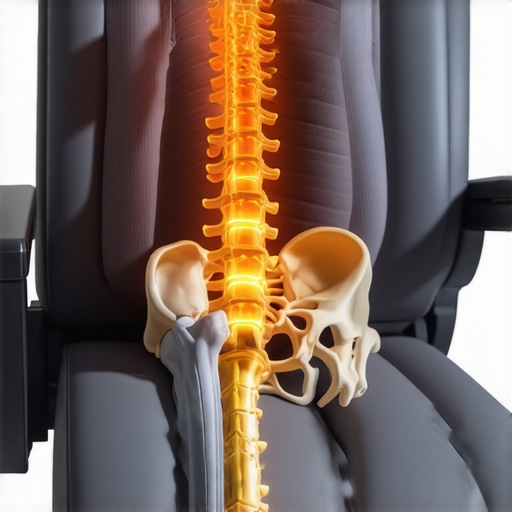
I remember the moment clearly. I was stuck in traffic, neck stiff, back aching, feeling that familiar tightness creeping up my spine. It struck me — my car seat was doing me more harm than good. It was like an invisible prison holding my spine in a constant arc, forcing it into a chronic C-shape that started to feel permanent. Turns out, many of us unknowingly sit ourselves into this same trap every day.
Why Your Car Seat Could Be Wreaking Havoc on Your Spine
Our daily routines often include hours spent in vehicles, whether commuting, running errands, or road-tripping. But few of us realize that how we sit can significantly affect our posture and overall spinal health. A poorly adjusted car seat can push your pelvis into a forward tilt, rounding your lower back and forcing your entire spine into that familiar C-curve. Over time, this can lead to chronic discomfort, stiffness, and even long-term postural issues.
From personal experience, early on, I made the mistake of thinking that sitting upright and tensing my core was enough. Instead, I was neglecting the importance of proper seat support and position. That oversight turned my daily drive into a back agony marathon. According to research, prolonged sitting in an unsupported position can compress spinal discs and weaken core muscles, making back pain more likely (source: ChiroMasterYZ.com).
Now, I promise—this isn’t just about pointing fingers at your car seat. It’s about recognizing this sneaky culprit and learning how to adjust it for better spinal health. Imagine transforming your daily drive from a source of pain into a moment of postural reset. That’s what we’ll explore today—simple tweaks that can make a massive difference.
Could your car seat be secretly sabotaging your back?
If you’ve faced persistent back stiffness, numbness, or soreness after daily drives, you’re not alone. And I’ve been there. Early on, I believed my seating was fine because I thought I was sitting “correctly.” But I ignored the signs until the pain became hard to ignore. Learning from that mistake, I now focus on optimizing my seat position and support, which has been a game-changer. Want to learn how to do the same? Keep reading, and I’ll show you the quick adjustments that saved my back—and can save yours too.
Tweaking Your Seat for Better Support
Start by adjusting your seat height so your hips are level with or slightly above your knees; this position helps maintain proper pelvic tilt. Sit back fully, ensuring your lower back is supported by the seat’s lumbar curve. Think of your pelvis as a foundation; keep it level and stable to prevent your spine from slumping forward. I intentionally spent a morning fiddling with my seat’s height and lumbar support, which initially felt awkward but resulted in a noticeable decrease in back pain during my drive.
Adjusting the Seat Angle and Distance
Set the seat tilt to a neutral position—roughly 100-110 degrees—avoiding a reclined or overly upright stance. This supports your lumbar natural curve without forcing your pelvis into an uncomfortable position. Pull the seat forward or backward so that your elbows rest comfortably on the steering wheel with shoulders relaxed. During my last attempt, I moved my seat just a few centimeters closer and was surprised how much less I fidgeted with my posture, leading to reduced mid-back fatigue.
Optimizing Head and Neck Position
The headrest should support the middle of your head, not just the back or the neck. Keep your head aligned with your spine, avoiding the tendency to crane forward—this is akin to lining up a camera lens perfectly to avoid distortion. I once ignored this and developed a stiff neck; adjusting the headrest to match my eye level drastically reduced tension headaches during long drives.
Straightening the Spine Without Over-Tensing
In my experience, maintaining an upright but comfortable posture is key. Tensing muscles excessively risks creating more strain; instead, focus on alignment and support. Imagine your spine as a stack of blocks; each segment should rest directly on the one below. Check if your lower back feels supported evenly across its curve by the lumbar pillow or built-in support—proper support here can prevent slipping into that dreaded C-shape.
Adding Support with Cushions
If your seat’s built-in lumbar support isn’t enough, use a rolled towel or a small cushion to fill the gap behind your lower back. This simple addition acts like a brace, encouraging your pelvis into a neutral position. I found that placing a rolled towel at the seat’s curve transformed my experience, making the ride more comfortable and alleviating persistent soreness.
Making Micro-Actions to Maintain Posture
Even after adjustments, periodically check in with your body. Shift your weight slightly or readjust the lumbar support after every 15-20 minutes. These micro-movements prevent stiffness and encourage blood flow—think of it as flossing your teeth regularly for health. Once, I caught myself slipping into a learned slouch, but a quick seat readjustment renewed my comfort and decreased fatigue.
Remember, these adjustments are not one-size-fits-all. Your body’s shape and comfort zones may vary, so take the time to find what works best for you. Consistently maintaining these micro-corrections turns your car seat from a potential pain culprit into a supportive ally for your spinal health. For more strategies on improving mobility after prolonged sitting, visit this guide.
Many 사람들이 believe that practicing intense core exercises or constantly maintaining perfect posture automatically cures back pain. However, as an expert who has studied biomechanics extensively, I can tell you there’s often a hidden nuance overlooked. For instance, the idea that stretching alone will resolve all mobility issues is a misconception; recent research indicates that targeted strengthening of specific muscle groups, such as the deep stabilizers, can offer much more lasting relief (source: Chiromasteryz.com).
A common trap many fall into is over-relying on passive supports like lumbar cushions or posture braces, thinking they provide a permanent fix. In reality, these tools can lead to muscle dependency if used excessively, weakening your intrinsic stability. Instead, proper micro-adjustments and active muscle engagement are key to cultivating resilient posture. An advanced mistake is to assume that pain indicates structural damage; often, what’s at play is a complex interplay of neuromuscular factors, including altered sensory feedback loops. Understanding this complexity is why consulting with a professional for a personalized assessment is critical.
When considering correction strategies, beware of the “one-size-fits-all” approach; each individual’s biomechanics are unique. For example, a study published in the Journal of Orthopaedic & Sports Physical Therapy highlights how functional movement assessments can identify specific deficits that generic stretching routines miss. Incorporating individualized, dynamic mobility exercises addresses these hidden issues more effectively than static postural corrections.
Remember, misconceptions can keep you stuck in ineffective routines. Have you ever fallen into this trap? Let me know in the comments. For a deeper dive into effective adjustments tailored for your body, check out this guide.Maintaining a healthy spine over the long term requires more than just initial adjustments; it demands consistent tools and proactive methods. One of my go-to devices is a high-quality lumbar support cushion, specifically the Side Sleeping Pillow Hack. I personally use this cushion during extended driving sessions because it molds perfectly to my lumbar curve, preventing me from slipping into that harmful C-shape. The shape and firmness provide consistent support, reducing pressure on the discs and alleviating stiffness. Additionally, I incorporate a portable foam roller, which I keep in my car and at my workspace, for quick myofascial releases that help maintain mobility and prevent muscle tightness from settling in.
What I Never Expected to Discover About My Back
One of the most profound insights I gained was realizing that quick fixes and passive supports often mask deeper issues. True progress came when I shifted my focus to active engagement, micro-adjustments, and understanding my body’s unique needs, rather than relying solely on external aids. This journey reminded me that sustainable spinal health requires patience, curiosity, and a willingness to experiment with what truly works for you.
Another lesson was recognizing the importance of consistency. Small daily habits—like adjusting your seat, performing simple mobility exercises, and staying mindful of posture—compound over time, leading to lasting relief. It’s not about dramatic changes overnight, but about building a series of mindful routines that respect your body’s signals.
Lastly, I learned to listen more deeply. Pain is often a messenger, not a enemy. By tuning into what my body was telling me—whether tension, discomfort, or fatigue—I could make smarter choices, avoid injury, and foster resilience. This active listening turned my back pain from an adversary into an intelligent guide, shaping a healthier, more connected approach to movement.
My Essential Tools for Lasting Mobility
If you’re serious about transforming your back health, these resources have been game-changers in my journey. The posture adjustment guide offers practical tips I swear by, from seat tweaks to micro-movements that prevent pain.
For those curious about strengthening the muscles that matter most, I recommend exploring top mobility strategies. These methods helped me develop resilience and avoid reliance on passive supports.
And if you’re interested in the science behind these approaches, check out books like Bending Light on Back Health, which provide a deeper understanding of biomechanics and neuromuscular interplay. Trust me, equipping yourself with knowledge amplifies your ability to make meaningful changes.
Empower Your Next Step Today
Remember, every journey to better back health begins with a single, informed step. Embrace the process of tuning into your body, making mindful adjustments, and seeking out the tools that resonate with your unique needs. Your spine’s resilience and vitality are within your control, waiting to be unlocked through informed action and gentle persistence. For more personalized strategies, explore this insightful article.
What’s your biggest challenge when it comes to maintaining good posture during daily activities? Share your experience below—let’s learn from each other.