
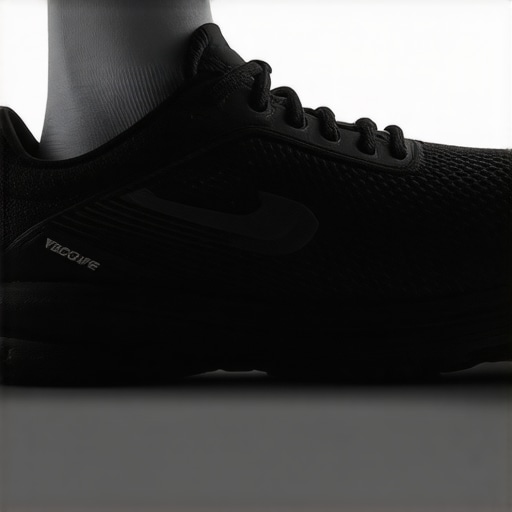
It was a morning like any other, rushing to get out the door. I slipped on my favorite pair of sneakers—those thickly cushioned ones I thought would give me that extra comfort on my daily walk. Minutes into my stride, I felt an unsettling wobble, a loss of stability that I couldn’t shake. That light, almost subconscious, tilt of my body made me pause. Why on earth did my beloved shoes leave me feeling more unsteady than ever?
Many of us have bought into the hype of super-cushioned footwear, assuming thick soles and plush insoles are the ultimate in comfort. But what if I told you that these shoes might actually be undermining your balance, sabotaging your body’s natural ability to stabilize and coordinate?
Today, I want to share the insights I’ve gathered—based on personal experience and expert understanding—that reveal how your footwear choices could be silently affecting your mobility and equilibrium.
The Hidden Danger of Over-Cushioned Shoes
Super-cushioned shoes are designed to absorb shock, and yes, they do a good job at that. However, this very feature often diminishes the sensory feedback from your feet to your brain. When your shoes insulate your feet from the ground, your body receives less information about your posture and position, which are essential for maintaining balance. This situation is akin to walking with a cushion under your feet, making your muscles work harder to compensate for the lack of control.
Over time, this can lead to weakened ankle stability, reduced proprioception (your body’s awareness of its position in space), and an increased risk of falls—especially as we age. An enlightening study in the Journal of Biomechanics (2022) emphasizes that shoes with excessive cushioning can impair sensory input, leading to poorer postural control.
I’ve made a few costly mistakes early on in my journey—like ignoring the importance of proper footwear and dismissing my body’s signals. Trust me, I learned the hard way how small choices can have significant impacts on mobility. If you’re experiencing frequent missteps, wobbles, or even back discomfort, the root cause might be your shoes.
Why does this matter for you? Because better balance isn’t just about avoiding falls—it’s about maintaining independence, reducing pain, and improving overall quality of life.
In the next sections, I’ll guide you through the step-by-step changes that helped me reclaim my stability and vitality—starting with understanding your footwear and making simple modifications that can transform your gait. If you’ve ever felt unsure on your feet, or just want to move with more confidence, keep reading.
Choose Footwear That Supports Natural Movement
Start by assessing your shoes. Replace overly cushioned shoes with minimalist or supportive footwear that allows your feet to feel the ground. I remember ditching my thick sneakers for a pair of minimalist shoes, which initially felt strange but quickly improved my proprioception. This change makes your nervous system more responsive, enhancing balance and stability.
Practice Daily Foot and Ankle Exercises
Engage in simple exercises like ankle circles, toe stretches, and heel lifts each day. For example, I began doing ankle circles while brushing my teeth—just 30 seconds per foot. This strengthens the muscles and improves mobility, helping your ankles react better to uneven surfaces.
Strengthen Your Core Regularly
A strong core provides a solid foundation for posture. Incorporate exercises like planks, dead bugs, and bird-dogs. During one session, I focused on the dead bug, keeping my lower back pressed against the floor. Over time, I noticed better control during daily movements, reducing wobbliness.
Perform Specific Posture Corrections
Work on correcting forward head posture and rounded shoulders. Use the doorway stretch to open the chest and reset shoulder alignment. I held this stretch for 20 seconds daily, which countered my tendency to slouch at the desk. Consistent practice improves proprioception and reduces strain.
Incorporate Balance Challenges into Your Routine
Practice standing on one foot with eyes closed for 30 seconds. A messy attempt led me to fall a few times initially, but it strengthened my stabilizer muscles. Gradually, I increased the challenge by standing on uneven surfaces or incorporating slight movements. This stimulates your nervous system to maintain equilibrium.
Adjust Your Environment for Better Posture
Ensure your workspace promotes good alignment. Elevate your monitor to eye level, keep your feet flat on the ground, and sit with a supported lower back. I adjusted my desk setup and noticed immediate relief in back tension, which also contributed to better balance during movement.
Practice Functional Movement Patterns
Engage in movements that mimic real-life activities, like reaching, twisting, and bending properly. Add mobility drills such as hip openers and spinal twists to loosen stiff areas. I integrated these into my morning routine, leading to smoother, more controlled daily motions.
Be Mindful of Your Body Signals
Pay attention to areas of imbalance or discomfort. If you feel wobbly or tense, pause and perform quick resets like shoulder rolls or deep diaphragmatic breathing. Regularly doing these simple adjustments keeps your nervous system alert and responsive.
While much advice around posture emphasizes stretching, ergonomic setups, or strengthening specific muscles, many people overlook nuanced factors that could be perpetuating their discomfort. A common misconception is that perfect alignment requires rigid adherence to biomechanical ‘rules,’ but in reality, the body adapts dynamically, and rigidity can sometimes hinder mobility rather than help it. One often-overlooked nuance is the role of *torsional strain* in the spine and pelvis—tiny rotational imbalances that traditional correction methods might miss, yet significantly influence pain and mobility.
For instance, focusing solely on flat-back or upright postures without addressing subtle pelvic rotations can lead to persistent discomfort. An advanced mistake many make is assuming that stronger core muscles always equate to better support. However, overactivation of certain muscles, like the rectus abdominis, without engaging the deeper transverse abdominis, can increase intra-abdominal pressure and contribute to spinal compression, worsening back pain.
**Why do many interventions fall short?** It’s often because they target superficial symptoms rather than the underlying misalignments or neuromuscular patterns. For example, people frequently seek quick fixes like posture braces or idealized positions, which may provide temporary relief but can weaken the body’s natural stability mechanisms over time. External support discourages the subconscious engagement of stabilizer muscles, ultimately leading to dependence rather than genuine correction.
**The ‘Oops’ Trap:** Relying solely on passive adjustments such as massaging or foam rolling can be misleading. While helpful for releasing tension, these passive methods don’t correct the underlying neuromuscular imbalances causing misalignments. Overuse without active strengthening or neuromuscular retraining can temporarily mask issues, making them worse in the long run.
**Advanced Insight:** Recent studies reveal that the body’s proprioceptive system is highly adaptable and can be retrained through targeted movement patterns. For example, integrating movements that challenge balance in different planes—like single-leg stands combined with spinal rotations—stimulates joint mechanoreceptors to recalibrate muscle activation patterns. This process is more effective than static stretches or passive supports alone.
If you want to master these subtleties, explore comprehensive approaches that address the root causes. For example, focusing on daily *mobility drills* that include controlled rotational movements can significantly improve your body’s response. Also, paying attention to *functional movement patterns*—such as how you bend, lift, and reach—can reveal persistent neuromuscular imbalances.
Finally, remember that the body heals and adapts best when active engagement is combined with mindful adjustments. Seek guidance for personalized assessments, but also consider exploring *simple daily routines* that integrate these advanced principles. For more insights and tailored strategies, visit [master your mobility](https://chiromasteryz.com/master-your-mobility-top-strategies-for-moving-without-pain) or reach out through [contact us](https://chiromasteryz.com/contact-us). Have you ever fallen into this trap of superficial fixes? Let me know in the comments.Maintaining optimal posture and mobility over the long term requires more than just occasional stretches or adjustments; it demands the right tools and a consistent routine. As someone invested in the journey toward better movement, I rely on specific equipment and methods that deliver measurable results. One of my favorite tools is the **balance board**, which I use daily to challenge and strengthen my ankle stabilizers and improve proprioception. Unlike static exercises that only target muscles, the balance board uniquely stimulates the nervous system, fostering better balance and coordination.
How do I keep my mobility routines effective over time?
I incorporate functional mobility drills that evolve with my progress, such as dynamic hip circles and spinal twisting movements. To track improvements and stay motivated, I utilize apps like the “MobilityWOD” platform, which offers guided routines tailored to injury prevention and posture correction. These digital tools provide structured progressions and feedback that help me stay committed. For example, the “Enhance Your Mobility” program from this resource offers future-oriented techniques that I’ve integrated into my weekly schedule, ensuring my mobility skills grow sustainably. I also invest in ergonomic accessories like adjustable sit-stand desks and lumbar supports, which remind me to maintain proper alignment during work hours. Regularly revisiting my setup prevents complacency and adaptation to poor posture habits. Additionally, I perform self-assessment tests, such as the deep squat check (more here), which help me identify new tight spots or imbalances before they develop into pain. The key is consistency—using these tools and methods daily or weekly keeps my progression steady and prevents setbacks. They also allow me to identify subtle changes early, facilitating targeted interventions sooner. Armed with these strategies, you’re better equipped both to maintain your progress and to scale your efforts as your mobility improves. Remember, there’s no one-size-fits-all solution; adapt your toolkit as you learn what works best for your body. For a comprehensive approach tailored to long-term results, explore our detailed guides on maintaining posture and mobility—trust me, taking these proactive steps makes a real difference.
The Hard Lessons That Transformed My Approach to Movement
One of the most profound realizations I had was that body awareness isn’t just about stretching or strengthening; it’s about understanding subtle cues from your body. I used to dismiss small imbalances, thinking they weren’t significant until chronic discomfort forced me to confront them. Now, I know that paying close attention to tiny shifts in balance or posture can prevent major issues down the line.
Another lesson was that not all support devices are beneficial long-term. Using rigid braces or passive supports might provide temporary relief but often weaken your body’s natural stabilizers. Real progress came when I learned to activate my muscles actively instead of relying solely on external aids.
A significant shift occurred when I recognized the importance of integrative movement—combining mobility, stability, and function. Focusing solely on one aspect limited my progress. Embracing movements that challenge multiple facets of my mobility helped me rebuild resilience from the ground up.
What Tools Truly Accelerate Your Mobility Journey
My go-to resource has become comprehensive mobility guides that combine science-backed techniques with practical routines. They’ve helped me understand the importance of consistent practice beyond quick fixes.
I also depend on simple tools like a balance board, which strengthens ankle stability and improves proprioception. For deeper insights, books such as Move Your Body by Bonnie Prudden have expanded my understanding of functional movement patterns and the importance of integrating mobility into daily life.
Finally, digital platforms offering tailored routines, such as expert mobility tips for 2025, keep me motivated and ensure my routines evolve with my progress.
Your Next Step Starts Today: Embrace the Possibility
The journey toward better posture and mobility is ongoing, but every small effort counts. By applying these lessons and utilizing trusted tools, you can unlock areas of your body you might have thought were forever limited. Remember, your body is adaptable; its potential is only constrained if you don’t challenge it thoughtfully. Take the first step today—your future self will thank you.