

It was a morning like any other. I knew I should stretch before my day, but as I tried to reach for my toes, I froze—frustration creeping in as my hands landed centimeters away from my shins. That moment of realization hit me hard: I wasn’t flexible, and touching my toes was simply out of reach. Not just a matter of vanity, but a nagging awareness that my hips and hamstrings needed some serious attention. Do you ever find yourself in that exact spot, feeling stuck and wondering if flexibility is beyond your grasp? Well, I’m here to tell you that you’re not alone, and more importantly, there’s hope. Today, I want to share a gentle yet effective seated hip stretch that transformed my mobility and could do the same for you.
Why Your Inability to Touch Your Toes Matters More Than You Think
Position Yourself Correctly
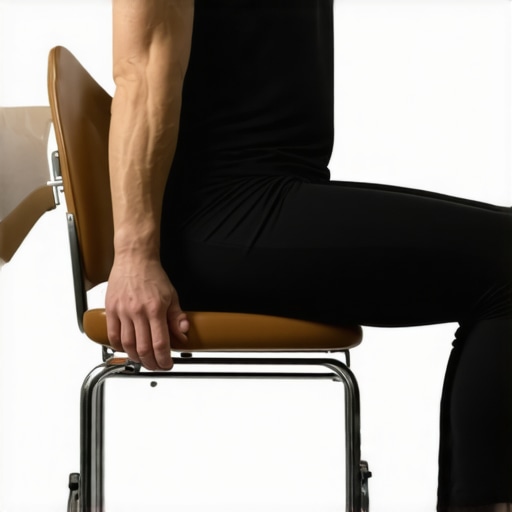
Begin by sitting on the edge of a sturdy chair with your feet flat on the ground, hip-width apart. Sit upright, engaging your core muscles to support your spine. Think of your pelvis as a bowl that you want to keep level—avoid tilting forward or backward.
Engage in Gentle Rotation
Place your right ankle on your left thigh, just above the knee. Keep your back straight, and gently lean forward from your hips, not your waist. A good analogy is imagining your pelvis as a bowl that you are tilting slightly forward—this allows a deeper stretch in the hip.
Progress Slowly
Start with small movements, only leaning as far as comfortable. Over time, aim to increase your lean gradually, listening to your body’s signals. I remember once trying to push too deep too early—I experienced discomfort that set me back. Patience and gentle progression are key, and this technique can be combined with mobility strategies for better results.
Hold and Breathe
Maintain the stretch for 20 to 30 seconds, focusing on deep, diaphragmatic breathing. Imagine filling your belly with air, then slowly releasing it. This breathing pattern relaxes your muscles and enhances the stretch. Use your exhale to deepen the stretch slightly, as if your breath is melting tension away.
Switch Sides and Repeat
Carefully release the stretch and switch legs. Consistency is vital—aim for this routine daily to see significant improvements. During my first week of practicing this stretch, I noticed my hips felt more open and my lower back discomfort diminished. Incorporate this into your daily routine and check out daily adjustments for sustained benefits.
Optimize Your Posture Throughout the Day
Remember, mobility exercises like this are most effective when paired with proper posture throughout your activities. Simple adjustments, such as sitting with your hips slightly higher than your knees or using a lumbar roll, help maintain the benefits of your stretches. For more tips, explore posture improvements.
 While many believe that quick fixes or isolated stretches can cure chronic issues, the reality is far more nuanced. A common myth is that correcting posture is solely about standing straight; in truth, it involves understanding your body’s unique biomechanics and habitual patterns. For example, forcing yourself into perfect alignment without addressing underlying muscular imbalances can actually perpetuate pain rather than resolve it. Experts like Dr. Stuart McGill warn that overemphasis on “ideal” postures often distracts from functional movement patterns that truly prevent injury.
Are All Posture Corrections CreatedEqual? An Advanced Perspective
Many practitioners recommend blanket adjustments, but neglect to consider individual differences such as pelvic tilt, spinal curvature, or compensatory habits. An adjustment that alleviates pain temporarily may, over time, reinforce maladaptive movement if it doesn’t address the root cause. This is why a comprehensive assessment is critical—something many overlook, leading to the trap of temporary relief and ongoing frustration. Be cautious of quick fixes; instead, focus on restoring natural movement patterns and strength. Incorporate targeted mobility and stability exercises tailored to your specific needs—like my favorite mobility strategies. Keep in mind that improper adjustments can sometimes cause more harm than good, especially if performed without proper knowledge or skill, making it vital to seek expert guidance through resources like professional consultation. Remember, the goal isn’t just temporary pain relief but long-term functional health. If you’re engaging in self-manipulation or relying solely on adjustments, beware of the ‘oops’ factor—micro-rotations or excessive force can worsen your condition. Studies have shown that improper spinal manipulation can lead to increased pain or nerve irritation, highlighting the importance of qualified practitioners.Maintaining optimal posture and mobility over the long term requires more than just sporadic stretches or quick fixes. It involves the right tools, consistent routines, and a proactive approach to prevent regression. One of my favorite investments is a high-quality foam roller, like the TriggerPoint GRID, which I personally use daily to release muscle tightness, especially around my hips and back. Regular self-myofascial release with such equipment helps keep muscles supple and ensures that mobility gains don’t fade away. Additionally, incorporating a digital posture coach app, such as Upright Health, provides real-time feedback during daily activities, aligning movements properly and reinforcing habits. Using these tools consistently creates a sort of muscle memory, reducing the risk of injury or discomfort creeping back. Predictions suggest that as wearable tech advances, future devices will offer more integrated biofeedback, prompting immediate corrective actions—potentially eliminating the guesswork from mobility maintenance.
How do I maintain my posture and mobility routines over time?
Consistency is key. Committing to a daily 5-minute routine that includes foam rolling, targeted stretches, and posture checks keeps the progress alive. Scheduling regular check-ins with a chiropractor or mobility specialist through a platform like their online consultation services can help identify emerging issues before they become chronic. Remember, hardware like ergonomic chairs or adjustable desks, when used correctly, support your efforts by reducing strain. For example, ensuring your workspace setup aligns with ergonomic principles—like maintaining lumbar support or optimal monitor height—prevents poor posture habits from taking hold again. To stay motivated, I recommend setting reminders and tracking your improvements using simple journaling or dedicated apps. The key is to view your tools not as crutches but as integrated components of a sustainable lifestyle. For more insights into creating lasting change, explore future mobility strategies. Remember, consistent maintenance with the right tools can prevent the frustration of setbacks and pave the way for sustained wellness.
How I Realized Short-Term Fixes Can Sabotage Real Progress
Early in my journey, I believed that sporadic stretches and quick adjustments could permanently alleviate my back pain and improve posture. It wasn’t until I experienced recurring discomfort despite these efforts that I learned the hard way—lasting change demands a deeper commitment to understanding my body’s unique patterns and limitations.
This lightbulb moment taught me that temporary relief is just that—temporary. True progress requires integrating targeted mobility routines that address the root causes, not just surface symptoms. Embracing this mindset transformed my approach from reactive to proactive, setting me on a path of sustainable wellness.
Tools and Resources That Accelerate Your Gains
Over the years, I’ve curated a set of tools that genuinely support mobility and posture improvements. Using a high-quality foam roller like the TriggerPoint GRID has made consistent self-myofascial release possible, allowing my muscles to stay supple and preventing setbacks. Additionally, leveraging apps like Upright Health for real-time posture coaching keeps me accountable and aware throughout the day.
For a comprehensive understanding, I recommend diving into books such as Master Your Mobility, which delves into functional movement principles that go beyond stretching. Consulting with experts through platforms like professional online consultations helps tailor routines specific to your needs, ensuring you avoid common pitfalls like overcorrection or misaligned adjustments.
Embrace Your Movement Evolution
The journey toward better mobility and posture is deeply personal and ongoing. It requires curiosity, patience, and a willingness to experiment with different strategies. Remember, the most powerful change begins with believing that improvement is attainable—regardless of where you start.
Start today by adopting consistent routines, investing in quality tools, and seeking expert guidance when needed. Your body has more potential than you realize, and every small step forward is a victory worth celebrating.
What’s one habit you’re ready to change to move closer to pain-free mobility? Share your thoughts below—I’d love to hear about your journey!
,