
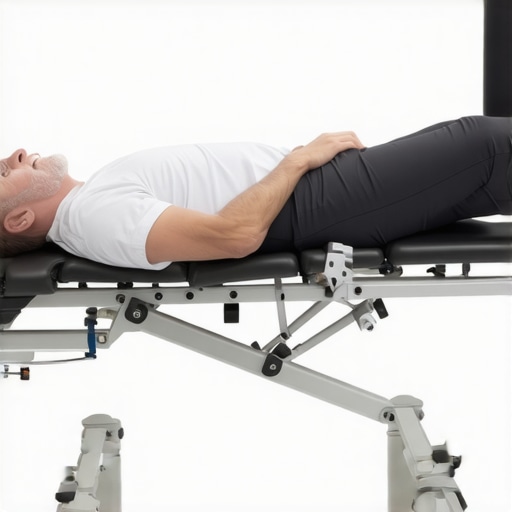
I remember the first time I seriously hurt my back. It was during a simple move—bending down to pick up a box—that left me paralyzed with pain for days. That lightbulb moment made me realize how fragile our spines really are, especially when dealing with chronic disc herniations. I started searching tirelessly for relief and stumbled upon inversion tables, convinced they’d offer a miracle cure. But over time, I learned there’s so much more to the story.
Why I Nearly Fell for the Hype About Inversion Tables
Learning about inversion therapy felt like discovering a secret weapon. The idea that hanging upside down could decompress my spine sounded too good to be true—and honestly, it was. Early on, I made one critical mistake: I jumped into inversion sessions without understanding my body’s limits or consulting professionals first. This oversight almost worsened my condition, reminding me how essential proper guidance is when tackling back issues.
Is Inversion Therapy Actually Worth the Hype?
Many folks swear by inversion tables for relief, but what does the research say? A study from the National Center for Complementary and Integrative Health suggests that inverted positioning can temporarily relieve pressure—yet, it’s not a one-size-fits-all solution. Before incorporating inversion into your routine, it’s vital to assess your unique situation and perhaps seek expert advice. If you’re curious whether inversion therapy fits your needs, I recommend exploring more about how to manage spinal health safely on specialized sites.
Throughout my journey, I discovered that conquering back pain isn’t about quick fixes. Instead, it requires understanding your specific condition, avoiding common pitfalls, and adopting a comprehensive approach. Ready to learn the practical steps that helped me regain mobility and reduce pain? Keep reading, and let’s unravel the truths and myths together.
Start with Daily Posture Checks
Every morning, spend five minutes assessing your standing and sitting posture. Imagine your spine as a stack of blocks; avoid letting the blocks slide out of alignment. I once caught myself slouching during coffee, and correcting it instantly relieved my upper back tension. Use a mirror or record yourself to spot habits like forward head tilt, and correct them with simple adjustments. For detailed techniques, visit this guide.
Incorporate Micro-Movements Throughout the Day
Break your day into intervals where you perform small, intentional movements. Think of your spine like a rubber band—stretching and relaxing keeps it limber. For example, every 30 minutes, stand up and gently arch your back or do a torso twist. I remember doing this during long work sessions; initially, it felt awkward, but soon I noticed less stiffness. Consistency is key, and to learn effective routines, check these mobility strategies.
Practice Specific Stretches for Flexibility
Target tight muscles with stretches designed for your lower back and hips. A commonly overlooked mistake is stretching hamstrings too aggressively, which can increase disc pressure. Instead, opt for gentle, controlled stretches like the seated forward fold, holding each position for 20 seconds. I one day attempted a deep hamstring stretch without proper warm-up, which intensified my pain. Now I tailor stretches carefully and incorporate breathing techniques from this deep squat check.
Adjust Your Sleeping Position for Better Rest
How you sleep can impact your back’s recovery. Sleeping on your side with a pillow between your knees maintains spinal alignment—think of it as keeping the blocks balanced. I used to wake up stiff until I tried this positional hack, which instantly alleviated pressure. Avoid sleeping on your stomach, which can strain the neck and lower back. For optimal sleeping setups, explore this detailed guide.
Strengthen Supporting Muscles
Focus on activating glutes and core muscles to support your spine—imagine your core like the foundation of a building. Weak glutes often lead to reliance on lower back muscles, causing pain. I incorporated glute bridges into my workout, noticing relief from sciatic discomfort. Proper activation techniques can be learned from this resource. Consistent strengthening helps prevent further injury and enhances mobility.
Stay Mindful of Your Movements
Every movement has the potential to strain your back if executed poorly. When lifting groceries, I now bend at the hips instead of the waist, engaging my legs—think of opening a door with your hips. Remember, avoiding twisting while lifting is crucial; instead, turn your feet and pivot. This simple shift reduced my episodes of pain significantly. For more tips on safe movement, visit this guide. Maintaining awareness of your body in motion helps build habits that protect your spine long-term.Many believe that maintaining a perfectly upright posture is the key to preventing back pain, but this oversimplification can lead to overlooked nuances. In reality, rigid adherence to ‘ideal’ posture can sometimes do more harm than good, as it may cause muscle tension and restrict natural movement patterns. It’s a common myth that static alignment is always beneficial; instead, our spines thrive on dynamic, balanced movements. An overly stiff posture can inadvertently reinforce pain through habitual tension, which is why incorporating fluid mobility routines is essential. Beware of the trap of fixating solely on alignment—delving into functional movement patterns offers a more comprehensive approach. Studies from experts like Dr. Stuart McGill emphasize that spinal health relies on resilience and adaptability, not just static positions. A common mistake is executing repetitive, unnatural adjustments that fail to address the root causes of discomfort. Instead, focus on integrating daily mobility exercises, like those outlined in these strategies, which train your body for real-world motion. For advanced injury management, understanding the difference between muscular and structural causes of pain is crucial; visit this guide for insights. Remember, true spinal health is about resilience and flexibility, not just maintaining an ‘ideal’ posture in static positions. Have you ever fallen into this trap? Let me know in the comments.Maintaining back health over time requires the right tools and consistent practices to reinforce your gains and prevent setbacks. One of my favorite accessories is the **massage foam roller**, specifically a dense, high-quality one like the TriggerPoint GRID Foam Roller. I use it daily to perform my myofascial release routines, targeting tight muscles in the hips, glutes, and lower back. This not only alleviates stiffness but also promotes circulation, which is crucial for long-term recovery.
Another game-changer is using **resistance bands** for strengthening stabilizer muscles. I prefer Loop Bands with gentle resistance—these are perfect for activation exercises like glute bridges or clamshells. Incorporating these into my routine has helped me build durable support around my spine, reducing the risk of future injuries.
For mobility, I rely heavily on **software-guided routines** from reputable platforms like the ones found at this resource. They offer personalized programs that adapt over time, which ensures I don’t hit a plateau. These digital tools also remind me to stay consistent, an essential aspect of meaningful, long-term results.
Beyond physical tools, I emphasize the importance of **mindful postural assessments**. I schedule weekly check-ins with myself, using simple reflective techniques like filming my posture or using a mirror to catch tendencies like forward head posture or slouching. This ongoing awareness helps me correct habits before they become ingrained issues.
Predicting the future of posture and mobility, I believe these tools will increasingly integrate AI-driven feedback, offering real-time corrections and personalized programming. Technologies like smart wearable sensors are already making strides in this direction, creating more precise monitoring without fuss.
**How do I maintain these habits over time?** The key is establishing a routine that feels sustainable, not overwhelming. I set weekly goals and gradually increase the intensity or complexity of my exercises. Moreover, I keep my toolbox stocked with versatile tools—resistance bands, foam rollers, and digital platforms—to switch things up and prevent boredom.
If you’re serious about long-term back health, I highly recommend integrating **targeted mobility routines** from this guide. Start today by trying out one of the advanced foam rolling techniques I use to release deep muscular tension, especially around your hips and lower back. Consistency with these tools and practices will pay dividends in your mobility and pain-free living.
The Hardest Lesson I Learned About Spinal Resilience
Realizing that perfect posture isn’t a static goal was a lightbulb moment for me. Instead of obsessing over holding an ideal alignment, I learned to focus on **dynamic movement and resilience**. This shift helped me accept that occasional missteps are part of the process and that adaptability is crucial for long-term health.
The Hidden Power of Daily Movement Habits
Simple adjustments like incorporating micro-movements and mindful posture checks have transformed my relationship with back health. These habits don’t just relieve pain—they build a kind of immunity against future issues, emphasizing that **small, consistent actions** often lead to lasting change.
Why I Trust Versatile Tools Over Quick Fixes
My journey showed me the importance of investing in quality tools like foam rollers and resistance bands. These tools, combined with expert-guided routines, empower sustained progress. They serve as reminders that a **comprehensive approach** beats shortcuts, fostering genuine resilience in your spine.
Embracing the Long Road to Mobility
Recovery isn’t a sprint; it’s a journey of patience and learning. Every mindful movement and smart adjustment adds up, creating layers of strength and flexibility. Believe me, embracing this mindset transforms frustration into progress and hope.
Stay Open to New Practices and Technologies
The future holds exciting innovations—smart wearables and AI-driven feedback—that will further personalize spinal health. Staying curious and adaptable ensures you’re continuously improving. Remember, your spine is meant to move and adapt, not rigidly conform to an ‘ideal’ posture. Regularly exploring new routines and tools keeps your back resilient and your mobility thriving.