
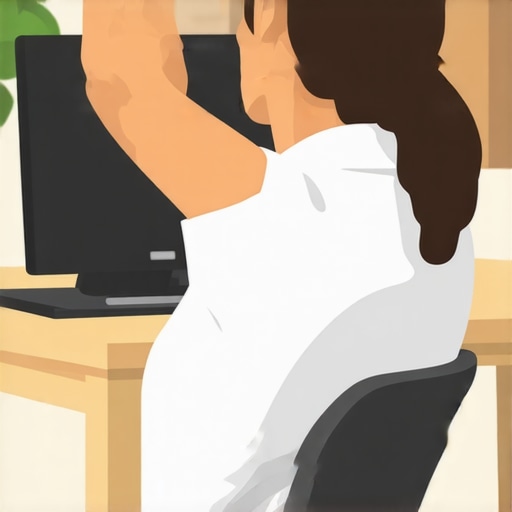
I remember the exact moment I realized my chair was slowly turning me into a hunchback. It was after a long day at my desk, shoulders aching, neck stiff as a board, and that creeping pain in my upper back that kept me from focusing. One evening, I looked in the mirror and finally saw it — my shoulders had rounded forward, and my posture looked more like a question mark than the confident stance I once had. That lightbulb moment made me realize I wasn’t alone. Many of us spend hours sitting, often unknowingly reinforcing bad habits that lead to discomfort, stiffness, and even chronic pain.
Why Sitting Posture Matters More Than Ever
Let’s face it: in today’s world, most of us are glued to screens, whether for work, entertainment, or social media. This constant sitting can silently reshape our bodies, especially if we ignore the cues our discomfort gives us. Rounded shoulders, often dismissed as a minor issue, can actually be the tip of the iceberg for more serious problems. Poor sitting habits can lead to neck tension, lower back pain, and decreased mobility that sneaks up on us over months or years.
One technique I discovered that truly made a difference is the Simple Scapular Slide. This easy exercise helps retrain your shoulder blades to sit properly, counteracting the spending hours slouched over your keyboard. It’s a game-changer—trust me, I’ve tried lots of routines, but this one sticks because it’s practical, fast, and effective. And no, it’s not just another fad; research shows that targeted mobility movements can significantly improve posture and relieve pain, even for those who sit most of the day (source: NCBI).
Now, you might be wondering: “Is this really worth the hype?” or “Am I just wasting my time on another gimmick?” Believe me, I’ve made my share of mistakes early on—like neglecting small discomforts and dismissing them as ‘just part of sitting.’ But those tiny signals are your body’s way of telling you to adjust, before it turns into something more serious. If you’re tired of dealing with stubborn stiffness or feeling like your shoulders are constantly creeping up towards your ears, then this post is for you. Together, we’ll explore how a simple movement can undo years of poor habits and help you sit smarter, move easier, and feel better every day.
Is the Simple Scapular Slide Actually Worth the Hype?
Early on, I thought these kinds of exercises might be just another passing trend. I made the mistake of assuming any stretching routine would do. But once I learned the correct technique and committed to doing it consistently, the results spoke for themselves. Imagine reversing years of slouching in just a few minutes a day—that’s the power of small, mindful adjustments. If this sounds too good to be true, think of it as a small investment in your daily routine, one that pays off with better posture and less pain in the long run. Ready to give it a shot? Let’s dive into the how and why of mastering the scapular slide, and how it can transform your sitting habits.
Start with Awareness: Identify Your Worst Sitting Habits
To make effective changes, you first need to recognize the habits that are sabotaging your posture. Recall a recent long day at your desk—were you slouching, leaning forward, or crossing your legs? These cues are your body’s way of signaling imbalance. Take a conscious moment to observe how you sit for at least a few minutes each hour. This micro-awareness is the first step toward correction.
Adjust Your Workspace for Better Alignment
Think of your workspace as a sanctuary for good posture. Your chair height should allow your feet to rest flat on the floor, with knees roughly level with hips. Your monitor must be at eye level to prevent craning your neck. Keep your keyboard and mouse close enough to avoid reaching forward, which forces your shoulders into a hunched position. Small tweaks like these create a ripple effect, reducing strain and promoting spinal health. Want a detailed checklist? Check out daily spinal alignment tips.
Develop the Habit of Micro-Movements
Imagine your spine as a flexible chain that benefits from gentle nudges throughout the day. Every 30 minutes, incorporate micro-movements—stand, stretch, or do a quick shoulder roll. One effective movement is the simple scapular slide. To perform it, sit upright, then squeeze your shoulder blades together as if pinching a pencil between them, hold briefly, and relax. I practiced this during a particularly draining work session—initially clumsy and uncoordinated—but with consistency, my upper back felt more engaged, and the tension eased over days. Regular micro-movements act like oiling hinges, preventing stiffness and maintaining mobility.
Strengthen Key Posture Muscles with Targeted Exercises
Your back, shoulder, and core muscles are the foundation of upright sitting. Incorporate exercises that activate these areas—like bird-dogs, planks, or wall angels—into your routine. Start with two sets of 10 repetitions, focusing on controlled movements. This builds resilience against fatigue and supports natural alignment. Remember, building strength is a marathon, not a sprint. For specific routines, visit mobility strategies.
Optimize Your Position Before and After Sitting
Prior to sitting, do a quick stretch or a few deep diaphragmatic breaths to prepare your muscles and nervous system. When getting up, avoid collapsing into your chair; instead, stand tall, take a moment to reset, and then sit down slowly, maintaining a tall posture. This practice keeps your spine in better alignment and reduces strain. Implementing these small adjustments daily leads to lasting improvements in discomfort and mobility.
Monitor and Iterate Your Routine
Posture correction isn’t a one-time fix—it’s an ongoing process. Use reflections or even quick journal notes to track what feels better or worse. Adjust your micro-movements, workspace setup, or targeted exercises accordingly. Remember, small, consistent steps are more effective than sporadic intense efforts. For a comprehensive plan, explore daily adjustments for back health.Many people believe that regular stretching is the key to improving posture, but in my experience, it’s often more nuanced. A common myth is that static stretches alone can correct misalignments; however, research indicates dynamic and functional movements are more effective for retraining muscle patterns and enhancing mobility (source: Mobility Strategies). Another mistake is underestimating the importance of nuance—focusing solely on one area, like the shoulders, without addressing the interconnected chain of muscles and joints involved in posture. For instance, tight calves can influence pelvic tilt and lumbar discomfort, yet many overlook this link, ignoring the role of ankle mobility in back health, as detailed in ankle mobility and back pain.
One hidden trap is the oversimplification of adjustments. Some individuals believe that changing chair height or using lumbar support is enough. But these are superficial fixes that can mask deeper issues, such as poor motor control or weak core stabilization muscles. Over-reliance on passive support may even weaken intrinsic muscle function, leading to dependency and further deterioration, as discussed in posture braces misconception.
For the advanced, it’s crucial to consider the role of neurological factors—how your nervous system controls muscle groups and maintains equilibrium. Improper sensory feedback can perpetuate poor habits, even when physically corrected. Techniques like proprioceptive training and controlled breathing can optimize neuromuscular function, improving outcomes and reducing pain, as highlighted in neuromuscular re-education.
In essence, true correction involves a comprehensive approach—integrating dynamic movements, addressing interconnected muscle chains, and respecting the complexity of neuromuscular control. Be cautious of simplistic solutions and focus on personalized, layered strategies. Have you ever fallen into this trap? Let me know in the comments, and remember, lasting change is rooted in understanding the nuanced dance between muscles, joints, and nerve signals.
Investing in Your Long-Term Spinal Health
Maintaining good posture and mobility isn’t a one-and-done task; it requires the right tools and routines that fit seamlessly into your daily life. Over the years, I’ve refined a toolkit that empowers me to stay aligned, reduce pain, and improve movement efficiency. These are the essentials I personally rely on, and I believe they can make a tangible difference in your ongoing posture journey.
Why I Swear by a Foam Roller for My Daily Mobility Routine
Using a foam roller is a game-changer, especially for releasing tight muscles that pull your spine out of alignment. I prefer a medium-density roller because it strikes a balance between comfort and effectiveness. I roll out my thoracic area and hips every morning, which helps reset my posture and dissolve built-up fascia adhesions. The mobility strategies I implement include targeted rolling sessions, which I find invaluable for preventing stiffness and supporting long-term spinal health.
Specialized Posture Devices Can Be a Subtle Game-Changer
While passive supports like lumbar pillows are common, I favor a more active approach. I use a posture-correcting brace designed to gently remind my muscles of correct alignment throughout the day. But I don’t rely solely on it — I combine it with conscious micro-movements, such as micro-adjusts during sitting, for holistic improvement. Evidence suggests that integrating such devices with movement routines enhances neuromuscular awareness, leading to lasting posture improvements (posture correction secrets).
Technology and Software to Track Your Progress
Digital tools have become indispensable for me. I use simple posture-tracking apps that encourage regular check-ins and adjustments. They send gentle reminders to straighten up or take breaks, which is crucial given how easy it is to revert to old habits. Additionally, I utilize guided movement videos tailored to back health, like those found in mobility mastery, to keep my routines fresh and effective.
Training Your Brain for Lasting Posture Gains
Perhaps the most overlooked tool is self-awareness. Regularly practicing mindful checks—like the quick postural audits suggested in daily spinal alignments—can prevent habitual slouching. Combining physical tools with conscious mental habits ensures that the improvements stick over time.
Predicting the Future of Posture and Mobility Tools
Looking ahead, I predict that wearable biofeedback devices and smart furniture will become increasingly sophisticated. These will provide real-time insights into our movement patterns, alerting us before bad habits become ingrained. Tech trends point toward immersive environments that integrate posture correction seamlessly into daily routines, making maintenance more effortless and personalized.
How Do I Maintain My Posture Over Time?
The key is consistency. I recommend integrating a few minutes daily using targeted tools like foam rollers, mindful micro-adjustments, and tracking apps. Committing to this routine helps embed good habits and minimizes regression. As I often say, the right tools plus intentional effort create a resilient foundation for lifelong spinal health. Why not pick one of these tools today—perhaps a simple foam rolling session—and see how it transforms your postural awareness? Remember, sustained change is built on small, habitual improvements.
After years of trial, error, and personal discovery, I’ve come to realize that true posture mastery isn’t about quick fixes—it’s about embracing the nuanced lessons our bodies teach us along the way. The most profound insights often come from our most stubborn challenges, such as persistent back pain or ingrained slouching habits. These experiences push us to look beyond surface solutions and seek strategies that truly resonate with our unique biomechanical makeup.
The Hardest Lesson I Learned About Posture and Mobility
One of the most eye-opening lessons was understanding that correcting posture isn’t just about stretching or strengthening isolated muscles. Instead, it involves a balanced approach that considers neural feedback, movement patterns, and emotional awareness. I used to believe that slouching was purely a muscle issue, but over time I realized it was also rooted in subconscious habits and sensory miscommunications that kept me locked into poor alignment. Recognizing this shifted my entire approach from reactive to proactive, emphasizing mindfulness and neuromuscular retraining, like the techniques found in mobility mastery.
Tools That Transformed My Postural Journey
Throughout my journey, certain tools and resources made all the difference. The foam roller, for example, became my daily mobility companion, releasing fascia tensions that subtly pulled my spine out of alignment. I also found that integrating advanced wearable biofeedback devices helped me become aware of habits I hadn’t even noticed—such as slouching during meetings or hunching over my phone. Books like “Unlock Better Back Health” offered insights that challenged my assumptions and deepened my understanding of posture restoration. Finally, guided movement routines from mobility strategies kept me engaged and adaptable in my practice.
Commitment is the Real Game-Changer
The most surprising discovery was the power of consistency over intensity. Small daily actions—like mindful micro-movements, dedicated breathing exercises, and periodic posture check-ins—created compounding benefits over months. It’s not about pushing your body to extremes but nurturing gentle, sustained habits that reinforce good alignment. Remember, lasting change demands patience and self-compassion. If you’re ready to embrace this journey, tools like daily adjustments can serve as your compass, guiding you toward a healthier, more resilient back.
What I Wish I Knew Earlier
Looking back, I wish I had understood the interconnectedness of my muscles and nerves sooner. The common myth that static stretching alone can fix misalignments is just that—a myth. Effective correction involves dynamic, functional movements that retrain muscle patterns and improve proprioception. I also learned not to dismiss small discomforts; they are the body’s early warning system nudging us toward better habits. Recognizing the subtle influence of ankle mobility, pelvic tilts, and even jaw tension transformed my approach from reactive to preventative, highlighting the importance of a holistic perspective for lasting posture health.
Resources That Keep Me Moving Forward
My essential toolkit includes a medium-density foam roller, a reliable posture-tracking app, and comprehensive guides like mobility strategies. These tools help me stay mindful and consistent. Additionally, reading materials like daily spinal adjustments remind me that ongoing effort fuels progress. Incorporating neuromuscular re-education techniques from posture secrets further enhances my resilience and awareness.
Your Posture Transformation Awaits — Take Action Today
Remember, every small effort you make toward improving your posture adds up to a more vibrant, pain-free life. Whether it’s adjusting your workspace, practicing mindful movements, or using supportive tools, the key is to start where you are and progress at your own pace. Think of your back and mobility as a lifelong project—that’s both challenging and empowering. You hold the power to redefine your relationship with your body, one mindful choice at a time. Ready to embark on this journey toward better posture and lasting mobility? Your future self will thank you.
What’s one small step you’re willing to take today to improve your sitting habits or mobility routines? Share your thoughts below—I’d love to hear your plans!
,