
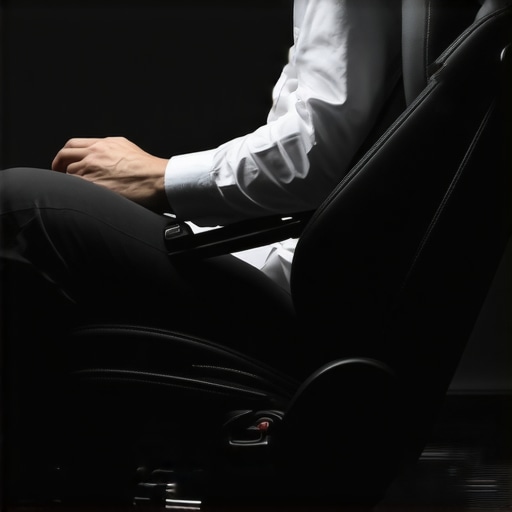
It hit me like a lightning bolt last week during a long drive. I was stuck in traffic, legs tingling, toes going numb, and suddenly I remembered every frustrating road trip where I would just endure the discomfort, thinking it was inevitable. That moment became my lightbulb—what if a tiny tweak could end this persistent numbness? Since then, I’ve been experimenting, and I’m here to tell you, it’s possible to enjoy your drives without that annoying, sinking sensation in your legs.
Say Goodbye to Numb Legs While Behind the Wheel
For years, I shrugged off leg numbness as a normal part of driving, especially on longer trips. But I knew there had to be a better way. The trick lies in adjusting your seat position just enough to release the pressure on your sciatic nerve, which often gets compressed during hours in the car. This isn’t about fancy furniture or expensive gear; it’s about that one, simple seating tweak that can make a world of difference. Today, I’ll walk you through the exact adjustment that corrected this issue for me and can do the same for you.
Could a Small Change Really Make Such a Difference?
When I first started paying attention, I realized I was making a mistake early on—sitting too far back, with my knees bent sharply and my hips poorly aligned. That position was subtly squeezing nerves in my lower back, leading to that fiery numbness. Once I adjusted my seat to better support my hips, with a slight incline and moving the seat closer, the numbness vanished. It’s a simple fix, but trust me, it’s game-changing. Want to see how this works? Check out effective posture tips for drivers here.
What’s Next
In the following sections, I’ll guide you step-by-step through the exact seated posture adjustments that stopped my leg numbness for good. Whether you drive daily or just once in a while, these tips will help you reclaim comfort. So, if you’ve ever faced the sinking, tingling sensation that distracts or even endangers your focus, stay tuned. Your pain-free, more comfortable drives are closer than you think.
,
Find the Sweet Spot in Your Seat
Start by adjusting your seat height so your hips are slightly higher than your knees. I recall the first time I tried this; I tilted my seat forward a bit and suddenly, the tingling in my legs eased. Think of your seat as a saddle—your hips should be supported comfortably, not squeezed. Use your hands to feel for that supportive area, ensuring you’re not perched on your tailbone or pushing onto your thighs.
Set Your Seat Depth Correctly
Slide your seat forward or backward until your knees are at a 120-degree angle. I caught myself sitting too far back, which overstretched my lower back, causing numbness. When I moved my seat closer, with knees bent comfortably, the nerve pressure reduced significantly. Remember, your feet should reach the pedals without your ankles being strained. Use your surroundings—think of your seat as a foundation for your posture skyscraper.
Adjust Your Back Support for Better Alignment
Use lumbar support or a rolled towel to fill the natural curve of your lower back. I experimented by placing a towel behind my lumbar region during a test drive, and the result was immediate relief. The idea is to maintain a gentle inward curve, like a slight smile in your lower back, preventing compression of nerves. Proper support keeps your spine aligned, similar to how a well-built arch distributes weight evenly.
Utilize Headrest and Shoulder Positioning
Set your headrest so it just touches the back of your head, aligning with your ears. Slouching forward or tilting your head creates tension down your neck and shoulders, which can translate into numbness in your legs. Think of your head as a bowling ball balanced perfectly on a pin—stability here aids the entire chain of posture. Adjust your steering wheel to keep your shoulders relaxed and your elbows slightly bent, reducing unnecessary muscle tension.
Experiment with Seat Incline and Pedal Position
Try tilting your seat cushion slightly upward or downward to find that perfect angle supporting your thighs and hips. I once kept my seat flat, but a slight recline helped reduce sciatic nerve pressure. Additionally, ensure your pedals are within easy reach without stretching, akin to adjusting the spokes of a bicycle to match your stride. Small tweaks here make a big difference in overall comfort and nerve safety.
Test and Fine-Tune Regularly
During your drive, periodically shift and simulate different positions—think of it as giving your body a mini-reset. I made the mistake of setting my seat once and forgetting about it, which caused discomfort over time. Use your mirrors and check your posture, ensuring your hips aren’t rotated or twisted, which can also lead to numbness. Every trip is an opportunity to refine adjustments, just like tuning an instrument for perfect sound.
Remember, each vehicle and body is unique. Don’t hesitate to experiment with these adjustments. Just like tuning a guitar, small, deliberate changes lead to harmony—and in this case, relief from numb legs and a more enjoyable drive. For further insights, exploring effective posture tips can be hugely beneficial here.
Many people assume that flexibility exercises alone will resolve their posture issues, but this oversimplification misses the nuanced interplay of joint mobility, muscular balance, and neural control. For instance, stretching tight muscles without addressing underlying joint restrictions or movement patterns can lead to temporary relief but often results in eventual regression or even injury. An advanced mistake is neglecting the importance of neuromuscular re-education, which retrains your brain to adopt healthier movement habits, rather than just focusing on isolated stretches or strength exercises. In fact, according to a 2020 study published in the Journal of Bodywork and Movement Therapies, interventions that combine mobility drills with proprioceptive training produce more sustainable improvements in posture and pain relief than traditional stretching alone.
Why do so many mobility fixes fail long-term despite initial improvements?
Often, people overlook the critical step of integrating new movement patterns into daily routines. A common trap is performing mobility exercises sporadically or in isolation, assuming that the body will naturally adapt without conscious reinforcement. This approach neglects the body’s tendency to revert to habitual, dysfunctional patterns—what experts call the ‘default mode.’ To truly transformation your mobility and posture, you need consistent, integrated movement education that reinforces proper neuromuscular pathways. For comprehensive strategies, check out our guide on mastering movement for pain-free mobility.
Another misconception is believing that pain or discomfort during mobility work indicates a problem. In reality, controlled discomfort can be a sign of tissue release or improved joint capacity. However, pushing into extreme pain is a mistake, as it can cause microtears or inflammation, undoing your progress. Always listen to your body’s signals and progress gradually.
It’s equally vital to avoid rushing the process—mobility gains are often subtle and require patience, deliberate effort, and proper technique. Rushing or neglecting form leads to compensations that may exacerbate issues or create new ones, breaking the cycle of improvement. Incorporating habits like regular daily spinal adjustments or dedicated mobility routines can foster lasting change.
In summary, dispelling these myths and understanding the intricate nature of mobility and posture is crucial. Focus on integrated, neuromuscular approaches, patience, and consistency to truly unlock lasting improvements. Remember, superficial fixes rarely produce long-term results. For a detailed roadmap, revisit our cornerstone content on effective posture tips. Have you ever fallen into this trap? Let me know in the comments.
Keeping It Working: My Favorite Tools for Longevity
Maintaining improvements in mobility and posture requires dedicated effort, but the right tools can make this process more manageable and sustainable. Over the years, I’ve tested numerous gadgets and software, and I want to share the ones that have proven effective in my routine and that I recommend to others aiming for long-term results. Investing in these tools isn’t just about quick fixes; it’s about creating a system that supports ongoing health and functionality.
Why Integrating Specific Equipment is Critical
First, it’s essential to recognize that maintaining mobility isn’t just about stretching or adjustments; it’s about reinforcing neural pathways and muscular balance. For example, I personally rely on a foam roller for my daily mobility routines. I prefer the .6-hex density foam roller because its firmness allows me to target deep fascial layers without causing discomfort. Regular self-myofascial release with this roller helps prevent the buildup of adhesions that can restrict movement over time.
Additionally, I use a high-quality posture corrector during sedentary periods. Unlike generic braces, I opt for a breathable, flexible support that encourages proper spinal alignment and reminds me to keep my shoulders back. It acts as a gentle, continuous cue, especially when working at a desk, reducing the tendency to slouch and promoting habitual better posture. For sustained improvements, pairing physical tools with mindfulness about daily habits proves invaluable.
How do I stay consistent and scale these Tools?
Consistency is the secret sauce. I set aside 10 minutes daily for targeted mobility drills with guidance from expert routines. Technology assists me here: I use a timer app to ensure I don’t skip sessions and track my progress over time. As my flexibility improves, I gradually increase challenge levels—adding resistance bands or trying more advanced mobility exercises to scale my gains sustainably.
Moreover, integrating tools like a portable lumbar roll helps maintain spinal alignment during car rides or long flights. It’s compact enough to carry everywhere, ensuring that the habits I develop in my home routines translate into real-world settings where postural issues often worsen due to fatigue or distraction. This is a crucial step toward ensuring long-term compliance and success.
Future of Mobility and Postural Support Devices
Looking ahead, I predict a surge in smart, AI-driven posture devices that provide real-time feedback. These will sync with smartphones to coach users on optimal positions, alerting you to slouching or misalignment instantly. Such innovations will make ongoing maintenance even more intuitive and embedded in daily life, reducing reliance on memory or guesswork. The integration of biofeedback and wearable tech is poised to revolutionize how we sustain healthy movement patterns.
If you’re serious about maintaining your mobility and posture improvements, I highly recommend trying out a foam roller like the one I prefer and incorporating daily movement drills—comfortably scalable and backed by research. For a comprehensive strategy, consider exploring our core posture tips. Remember, consistency and quality tools are your best allies in this journey to lasting health. Feel free to reach out if you’d like personalized recommendations or guidance on integrating these techniques into your routine.
Lessons I Didn’t Expect to Learn About Posture and Mobility
- Small tweaks yield big results: I realized that tiny seat adjustments—like tilting the backrest or moving a few inches—sometimes made the biggest difference in how my legs felt after hours on the road.
- Consistency beats intensity: Regular daily movements and quick posture checks keep symptoms at bay longer than sporadic stretching sessions.
- Understanding my body’s signals: Listening carefully to subtle discomforts helped me catch bad habits early, preventing them from becoming chronic pain.
- Misconceptions cost time: I once believed that only dramatic changes could solve nerve pinches, but gentle, well-informed adjustments proved far more effective over time.
- Education empowers action: Learning about the neural pathways involved in posture gave me confidence to experiment and find what works uniquely for my body.
Tools That Transformed My Approach to Mobility
- High-density foam roller: I trust it for releasing fascia and maintaining flexibility. Regular use prevents adhesions that can restrict movement and cause discomfort.
- Posture corrector: A breathable support that gently reminds me to keep shoulders back—making good posture an effortless habit during long work hours.
- Adjustable lumbar support: Compact and versatile, it keeps my lower back aligned whether in the car or at my desk, preserving mobility and reducing strain.
- Mobile mobility apps and timers: They keep me accountable and help me incorporate movement into my busy day, ensuring progress doesn’t stagnate.
Embrace Your Movement Potential
Taking charge of your posture and mobility can be transformative, not just for easing numbness during drives but for your overall quality of life. Remember, the journey to comfort is ongoing—and every small adjustment and daily habit contributes to a more pain-free, vibrant you. If you’re ready to level up, revisit our cornerstone tips on better posture and start experimenting today. Your future self will thank you!
What unexpected change has made the biggest difference in your posture or mobility routine? Share your story below—I’d love to hear from you!
,